Search results

  • Blenheim Orange, 897, 235018, Blenheim Orange Blenheim Orange
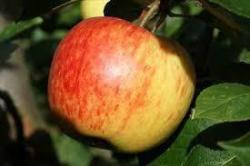
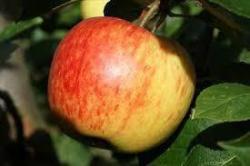
    Blenheim Orange is one of the 'famous names' in English apple growing history and has been a popular garden variety for hundreds of years.
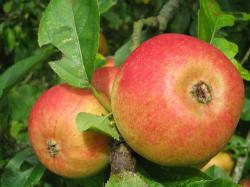
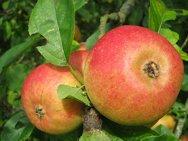
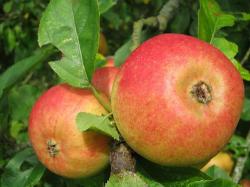
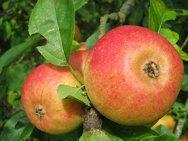
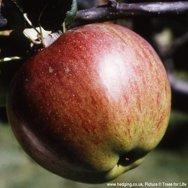
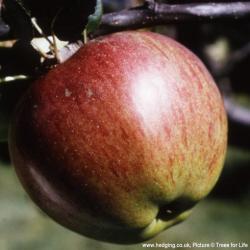
    Blenheim Orange is a very old variety discovered in Oxfordshire in the 1700’s, Blenheim Orange is one of the most famous English apples. Blenheim Orange Apple tree – Season: Mid-late Season; harvest in November and enjoy through January. Blenheim Oeange Apple - appearance: A large dull yellow apple with some red flush. Blenheim Orange apple trees – flavour: Sub-acid to almost savoury with a slight nuttiness. Not too sweet yet not too tart, it strikes a good balance and is a very good eating variety with a crumbly cream flesh. Uses: Very much known as a dual purpose variety, has very fine eating qualities for dessert but also cooks well so a very useful variety to have. Cropping & Growth Vigorous and easy to grow, largely healthy. Partly tip-bearing so better as a bush tree. Blenheim Orange - Pollination: This variety is a Triploid so is best grown with two other mid season flowering varieties to achieve full cropping potential. Tree sizes for Blenheim Orange: M27 is a miniature stock, ideal for very small gardens, pots on the patio etc. Grows to around 180cm’s. Good hearty soil is preferred. M9 is classed as dwarfing and a good intermiate stock. Matures to 200cm’s plus with a similar spread. M9 is heavy cropping and promotes larger fruits, but needs permanent staking and good soil. M26 stock Is classed as semi-dwarfing. Does well on poorer soil. Reaches 300cm’s+ with the same spread. MM106 is vigorous and the best choice for where a larger ‘orchard sized’ tree is required. Grows 4m+ with the same spread and suitable for most soils.
    Blenheim Orange Apple Tree Blenheim Orange is a very old variety discovered in Oxfordshire in the 1700’s, Blenheim Orange is one of the most famous English apples. Blenheim Orange Apple tree – Season: Mid-late Season; harvest in November and enjoy through January. Blenheim Oeange Apple - appearance: A large dull yellow apple with some red flush. Blenheim Orange apple trees – flavour: Sub-acid to almost savoury with a slight nuttiness. Not too sweet yet not too tart, it strikes a good balance and is a very good eating variety with a crumbly cream flesh. Uses: Very much known as a dual purpose variety, has very fine eating qualities for dessert but also cooks well so a very useful variety to have. Cropping & Growth Vigorous and easy to grow, largely healthy. Partly tip-bearing so better as a bush tree. Blenheim Orange - Pollination: This variety is a Triploid so is best grown with two other mid season flowering varieties to achieve full cropping potential. Tree sizes for Blenheim Orange: M27 is a miniature stock, ideal for very small gardens, pots on the patio etc. Grows to around 180cm’s. Good hearty soil is preferred. M9 is classed as dwarfing and a good intermiate stock. Matures to 200cm’s plus with a similar spread. M9 is heavy cropping and promotes larger fruits, but needs permanent staking and good soil. M26 stock Is classed as semi-dwarfing. Does well on poorer soil. Reaches 300cm’s+ with the same spread. MM106 is vigorous and the best choice for where a larger ‘orchard sized’ tree is required. Grows 4m+ with the same spread and suitable for most soils.
    Apples - dual purpose varieties, Apples - late storing
  • Blenheim Orange stepover, 1854, 235021, Blenheim Orange stepover Blenheim Orange stepover
    An old English variety that originated in Oxfordshire. Large and versatile, suits dual purpose. Very good flavour, the large fruits store well.
    Stepover trees are used primarily for edging a border or pathway or to divide the kitche/vegetable garden. These very tiny trees are just 18” in height with two side laterals from the main stem forming a capital ‘T’ shape. The stepover tree is an ormamental addition to your garden and these trees are grown on the smallest avaailable rootstock, M27. Plant 120-150cm’s apart. Blenheim Orange is a very old variety discovered in Oxfordshire in the 1700’s, Blenheim Orange is one of the most famous English apples. Blenheim Orange stepover Apple tree – Season: Mid-late Season; harvest in November and enjoy through January. Blenheim Orange Apple - appearance: A large dull yellow apple with some red flush. Blenheim Orange stepover apple treesflavour: Sub-acid to almost savoury with a slight nuttiness. Not too sweet yet not too tart, it strikes a good balance and is a very good eating variety with a crumbly cream flesh. Uses: Very much known as a dual purpose variety, has very fine eating qualities for dessert but also cooks well so a very useful variety to have. Cropping & Growth Vigorous and easy to grow, largely healthy. Partly tip-bearing so better as a bush tree. Blenheim Orange - Pollination: This variety is a Triploid so is best grown with two other mid season flowering varieties to achieve full cropping potential.
    Blenheim Orange stepover Apple Tree  Stepover trees are used primarily for edging a border or pathway or to divide the kitche/vegetable garden. These very tiny trees are just 18” in height with two side laterals from the main stem forming a capital ‘T’ shape. The stepover tree is an ormamental addition to your garden and these trees are grown on the smallest avaailable rootstock, M27. Plant 120-150cm’s apart. Blenheim Orange is a very old variety discovered in Oxfordshire in the 1700’s, Blenheim Orange is one of the most famous English apples. Blenheim Orange stepover Apple tree – Season: Mid-late Season; harvest in November and enjoy through January. Blenheim Orange Apple - appearance: A large dull yellow apple with some red flush. Blenheim Orange stepover apple trees – flavour: Sub-acid to almost savoury with a slight nuttiness. Not too sweet yet not too tart, it strikes a good balance and is a very good eating variety with a crumbly cream flesh. Uses: Very much known as a dual purpose variety, has very fine eating qualities for dessert but also cooks well so a very useful variety to have. Cropping & Growth Vigorous and easy to grow, largely healthy. Partly tip-bearing so better as a bush tree. Blenheim Orange - Pollination: This variety is a Triploid so is best grown with two other mid season flowering varieties to achieve full cropping potential.
    Stepover Apple Trees
  • Blenheim Orange fan/espalier, 1361, , Blenheim Orange fan/espalier Blenheim Orange fan/espalier
    Blenheim Orange is a very old and famous old-England apple variety. It's fruits are large and versatile, suiting both dessert and culinary purposes. The flesh is cream and crumbly....
    Espalier or fan trees are used against a wall; you will need not less than 180 x 180cm’s for a fan or Blenheim Orange espalier tree. Please note we do not supply ready trained trees; this product is a young tree suitable for training yourself, in situ. Such trees usually settle to cropping within 2 or 3 seasons. Blenheim Orange is a very old variety discovered in Oxfordshire in the 1700’s, Blenheim Orange is one of the most famous English apples. Blenheim Orange espalier/fan Apple tree – Season: Mid-late Season; harvest in November and enjoy through January. Blenheim Oeange Apple - appearance: A large dull yellow apple with some red flush. Blenheim Orange fan/espalier apple treesflavour: Sub-acid to almost savoury with a slight nuttiness. Not too sweet yet not too tart, it strikes a good balance and is a very good eating variety with a crumbly cream flesh. Uses: Very much known as a dual purpose variety, has very fine eating qualities for dessert but also cooks well so a very useful variety to have. Cropping & Growth Vigorous and easy to grow, largely healthy. Partly tip-bearing so better as a bush tree. Blenheim Orange - Pollination: This variety is a Triploid so is best grown with two other mid season flowering varieties to achieve full cropping potential.
    Blenheim Orange fan espalier Apple Tree Espalier or fan trees are used against a wall; you will need not less than 180 x 180cm’s for a fan or Blenheim Orange espalier tree. Please note we do not supply ready trained trees; this product is a young tree suitable for training yourself, in situ. Such trees usually settle to cropping within 2 or 3 seasons. Blenheim Orange is a very old variety discovered in Oxfordshire in the 1700’s, Blenheim Orange is one of the most famous English apples. Blenheim Orange espalier/fan Apple tree – Season: Mid-late Season; harvest in November and enjoy through January. Blenheim Oeange Apple - appearance: A large dull yellow apple with some red flush. Blenheim Orange fan/espalier apple trees – flavour: Sub-acid to almost savoury with a slight nuttiness. Not too sweet yet not too tart, it strikes a good balance and is a very good eating variety with a crumbly cream flesh. Uses: Very much known as a dual purpose variety, has very fine eating qualities for dessert but also cooks well so a very useful variety to have. Cropping & Growth Vigorous and easy to grow, largely healthy. Partly tip-bearing so better as a bush tree. Blenheim Orange - Pollination: This variety is a Triploid so is best grown with two other mid season flowering varieties to achieve full cropping potential.
    Fan and Espalier Apple Trees
  • Blenheim Orange Mini M27, 177, 235019, Blenheim Orange Mini M27 Blenheim Orange Mini M27
    A large and versatile apple that stores late.
    Blenheim Orange Miniature M27 Apple Tree This Blenheim Orange tree is grown on miniature M27 stock. M27 is a rootstock that produces the smallest tree of all; maturing to around 180cm’s in height and width, this tree is ideal for a container or small garden, courtyard or allotment. It should be staked if in a windy or open position. Crops can exceed 20ibs per tree when established and this rootstock is quite precocious, often yielding the year following planting. Blenheim Orange is a very old variety discovered in Oxfordshire in the 1700’s, Blenheim Orange is one of the most famous English apples. Blenheim Orange M27 Apple tree – Season: Mid-late Season; harvest in November and enjoy through January. Blenheim Oeange Apple - appearance: A large dull yellow apple with some red flush. Blenheim Orange mini apple treesflavour: Sub-acid to almost savoury with a slight nuttiness. Not too sweet yet not too tart, it strikes a good balance and is a very good eating variety with a crumbly cream flesh. Uses: Very much known as a dual purpose variety, has very fine eating qualities for dessert but also cooks well so a very useful variety to have. Cropping & Growth Vigorous and easy to grow, largely healthy. Partly tip-bearing so better as a bush tree. Blenheim Orange - Pollination: This variety is a Triploid so is best grown with two other mid season flowering varieties to achieve full cropping potential.
    Blenheim Orange Miniature M27 Apple Tree This Blenheim Orange tree is grown on miniature M27 stock. M27 is a rootstock that produces the smallest tree of all; maturing to around 180cm’s in height and width, this tree is ideal for a container or small garden, courtyard or allotment. It should be staked if in a windy or open position. Crops can exceed 20ibs per tree when established and this rootstock is quite precocious, often yielding the year following planting. Blenheim Orange is a very old variety discovered in Oxfordshire in the 1700’s, Blenheim Orange is one of the most famous English apples. Blenheim Orange M27 Apple tree – Season: Mid-late Season; harvest in November and enjoy through January. Blenheim Oeange Apple - appearance: A large dull yellow apple with some red flush. Blenheim Orange mini apple trees – flavour: Sub-acid to almost savoury with a slight nuttiness. Not too sweet yet not too tart, it strikes a good balance and is a very good eating variety with a crumbly cream flesh. Uses: Very much known as a dual purpose variety, has very fine eating qualities for dessert but also cooks well so a very useful variety to have. Cropping & Growth Vigorous and easy to grow, largely healthy. Partly tip-bearing so better as a bush tree. Blenheim Orange - Pollination: This variety is a Triploid so is best grown with two other mid season flowering varieties to achieve full cropping potential.
    Fan and Espalier Apple Trees, Miniature Apple Trees
  • Howgate Wonder cordon, 1667, , Howgate Wonder cordon Howgate Wonder cordon
    Very large fruits, this culinary variety is frost hardy and the fruit keeps some shape and texture when cooked. Good flavour, ready from November onwards & will store.
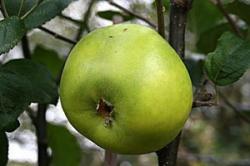
    Cordon Apple trees are a good choice for restricted areas and a fence or wall. They can be grown at a 45degree angle, or upright. The rootstock we use for our cordon Howgate Wonder is M9 which is the best stock for cordon trees. Plant 60-80cm’s apart Howgate Wonder is one of the best cooking apple trees for garden or orchard, introduced from the Isle of Wight in 1929 from a Blenheim Orange x Newton Wonder cross. Highly recommended variety. Howgate Wonder cordon Apple tree – Season: The season of Howgate Wonder apples is genmerally from November to January. Howgate Wonder - appearance: Very large and weighty, deep green usually with a prominent maroon flush. Interior is cream-white. Howgate Wonder apple treesflavour: Sweet and fruity. Keeps it’s shape more-or-less when cooked and turns a deeper shade of creamy yellow. Ideal for pies and recipes where the appearance of the end product is important. Also ideal for chutneys. Uses: A culinary apple. Cropping & Growth Vigorous, spreading with heavy reliable crops of very large fruit. Good disease resistance and a good variety for cold areas. Howgate Wonder - Pollination: ‘C’ pollination group, use varieties with the same or adjacent groups to pollinate successfully.  Here are some suggested varieties: Charles Ross Falstaff Gala Allington Pippin Catshead
    Howgate Wonder cordon Apple trees for sale Cordon Apple trees are a good choice for restricted areas and a fence or wall. They can be grown at a 45degree angle, or upright. The rootstock we use for our cordon Howgate Wonder is M9 which is the best stock for cordon trees. Plant 60-80cm’s apart Howgate Wonder is one of the best cooking apple trees for garden or orchard, introduced from the Isle of Wight in 1929 from a Blenheim Orange x Newton Wonder cross. Highly recommended variety. Howgate Wonder cordon Apple tree – Season: The season of Howgate Wonder apples is genmerally from November to January. Howgate Wonder - appearance: Very large and weighty, deep green usually with a prominent maroon flush. Interior is cream-white. Howgate Wonder apple trees – flavour: Sweet and fruity. Keeps it’s shape more-or-less when cooked and turns a deeper shade of creamy yellow. Ideal for pies and recipes where the appearance of the end product is important. Also ideal for chutneys. Uses: A culinary apple. Cropping & Growth Vigorous, spreading with heavy reliable crops of very large fruit. Good disease resistance and a good variety for cold areas. Howgate Wonder - Pollination: ‘C’ pollination group, use varieties with the same or adjacent groups to pollinate successfully.  Here are some suggested varieties: Charles Ross Falstaff Gala Allington Pippin Catshead
    Cordon Apple Trees
  • Edward VII cordon, 1572, , Edward VII cordon Edward VII cordon
    This is an excellent late cooker that is easy to grow and hardy. The fruits have a robust fruity flavour that suits many applications.
    Edward VII cordon Apple trees Cordon Apple trees are a good choice for restricted areas and a fence or wall. They can be grown at a 45degree angle, or upright. The rootstock we use for our cordon is M9 which is the best stock for cordon trees. Plant 60-80cm’s apart. A Blenheim Orange x Golden Noble cross in 1902 produced this very late cooker which sotres very well and gives season-extending qualiy culinary apples deep into the Spring. Worcestershire origins. Edward VII Apple tree – Season: Harvest late, in November and use from storage, April or beyond is possible. Edward VII Apple - appearance: A handsome shining dark green apple of medium to large size. Edward VII apple treesflavour: Robust and fruity, quite sharp so suits English tastes for more robust cookers. Cooks to a fairly firm puree, becoming sweeter later in the season. Uses: Predominantly a culinary apple. Cropping & Growth Attractive blossom, a hardy medium sized fairly upright tree that is easy to manage. Edward VII - Pollination: ‘D’ Pollination group, so use varieties with the same or adjacent pollinating prefixes.
    Edward VII cordon Apple trees Cordon Apple trees are a good choice for restricted areas and a fence or wall. They can be grown at a 45degree angle, or upright. The rootstock we use for our cordon is M9 which is the best stock for cordon trees. Plant 60-80cm’s apart. A Blenheim Orange x Golden Noble cross in 1902 produced this very late cooker which sotres very well and gives season-extending qualiy culinary apples deep into the Spring. Worcestershire origins. Edward VII Apple tree – Season: Harvest late, in November and use from storage, April or beyond is possible. Edward VII Apple - appearance: A handsome shining dark green apple of medium to large size. Edward VII apple trees – flavour: Robust and fruity, quite sharp so suits English tastes for more robust cookers. Cooks to a fairly firm puree, becoming sweeter later in the season. Uses: Predominantly a culinary apple. Cropping & Growth Attractive blossom, a hardy medium sized fairly upright tree that is easy to manage. Edward VII - Pollination: ‘D’ Pollination group, so use varieties with the same or adjacent pollinating prefixes.
    Cordon Apple Trees
  • Howgate Wonder fan espalier, 1543, , Howgate Wonder fan espalier Howgate Wonder fan espalier
    Very large fruits from this classic cooking apple tree, Season November-January. Frost resistant and easy to grow.
    Espalier or fan trees are used against a wall; you will need not less than 180 x 180cm’s for a fan or espalier tree. Please note we do not supply ready trained trees; this Howgate Wonder is a young tree suitable for training yourself, in situ. Such trees usually settle to cropping within 2 or 3 seasons Howgate Wonder is one of the best cooking apple trees for garden or orchard, introduced from the Isle of Wight in 1929 from a Blenheim Orange x Newton Wonder cross. Highly recommended variety. Howgate Wonder Apple tree – Season: The season of Howgate Wonder apples is genmerally from November to January. Howgate Wonder - appearance: Very large and weighty, deep green usually with a prominent maroon flush. Interior is cream-white. Howgate Wonder apple treesflavour: Sweet and fruity. Keeps it’s shape more-or-less when cooked and turns a deeper shade of creamy yellow. Ideal for pies and recipes where the appearance of the end product is important. Also ideal for chutneys. Uses: A culinary apple. Cropping & Growth Vigorous, spreading with heavy reliable crops of very large fruit. Good disease resistance and a good variety for cold areas. Howgate Wonder - Pollination: ‘C’ pollination group, use varieties with the same or adjacent groups to pollinate successfully.  Here are some suggested varieties: Charles Ross Allington Pippin Catshead Falstaff Gala
    Howgate Wonder fan espalier Apple trees for sale Espalier or fan trees are used against a wall; you will need not less than 180 x 180cm’s for a fan or espalier tree. Please note we do not supply ready trained trees; this Howgate Wonder is a young tree suitable for training yourself, in situ. Such trees usually settle to cropping within 2 or 3 seasons Howgate Wonder is one of the best cooking apple trees for garden or orchard, introduced from the Isle of Wight in 1929 from a Blenheim Orange x Newton Wonder cross. Highly recommended variety. Howgate Wonder Apple tree – Season: The season of Howgate Wonder apples is genmerally from November to January. Howgate Wonder - appearance: Very large and weighty, deep green usually with a prominent maroon flush. Interior is cream-white. Howgate Wonder apple trees – flavour: Sweet and fruity. Keeps it’s shape more-or-less when cooked and turns a deeper shade of creamy yellow. Ideal for pies and recipes where the appearance of the end product is important. Also ideal for chutneys. Uses: A culinary apple. Cropping & Growth Vigorous, spreading with heavy reliable crops of very large fruit. Good disease resistance and a good variety for cold areas. Howgate Wonder - Pollination: ‘C’ pollination group, use varieties with the same or adjacent groups to pollinate successfully.  Here are some suggested varieties: Charles Ross Allington Pippin Catshead Falstaff Gala
    Fan and Espalier Apple Trees
  • Belle de Boskoop cordon, 1358, , Belle de Boskoop cordon Belle de Boskoop cordon
    A large and handsome apple suitable for main season use, deep cream flesh, suits dual purpose or dessert use.
    Belle de Boskoop cordon Apple Trees Cordon Apple trees are a good choice for restricted areas and a fence or wall. They can be grown at a 45degree angle, or upright. The rootstock we use for our Belle de Boskoop cordon trees is M9 which is the best stock for cordon trees. Plant 60-80cm’s apart. This variety, of European origin, is basically a form of the well known Blenheim Orange and quite similar in it’s qualities. Belle de Boskoop – Season: A mid season apple for enjoyment early October through November. Belle de Boskoop – appearance: Large and solid, partly to almost entirely covered in a dull crimson flush over green-yellow. Belle de Boskoop apple trees – flavour: Deep cream yielding flesh with a slightly ‘nutty’ and savoury flavour. Uses: Mostly used for dessert but can also be cooked with. Cropping & Growth A vigorous tree little troubled by disease and heavy cropping. Belle de Boskoop - Pollination: Pollination group is ‘B’ so choose any varieties in that group to partner.
    Belle de Boskoop cordon Apple Trees Cordon Apple trees are a good choice for restricted areas and a fence or wall. They can be grown at a 45degree angle, or upright. The rootstock we use for our Belle de Boskoop cordon trees is M9 which is the best stock for cordon trees. Plant 60-80cm’s apart. This variety, of European origin, is basically a form of the well known Blenheim Orange and quite similar in it’s qualities. Belle de Boskoop – Season: A mid season apple for enjoyment early October through November. Belle de Boskoop – appearance: Large and solid, partly to almost entirely covered in a dull crimson flush over green-yellow. Belle de Boskoop apple trees – flavour: Deep cream yielding flesh with a slightly ‘nutty’ and savoury flavour. Uses: Mostly used for dessert but can also be cooked with. Cropping & Growth A vigorous tree little troubled by disease and heavy cropping. Belle de Boskoop - Pollination: Pollination group is ‘B’ so choose any varieties in that group to partner.
    Cordon Apple Trees
  • Belle de Boskoop, 767, 235016, Belle de Boskoop Belle de Boskoop
    Large and handsomely coloured apples which can be enjoyed as a dual purpose fruit; characteristic savoury flavour - ideal for slicing and adding to salads.
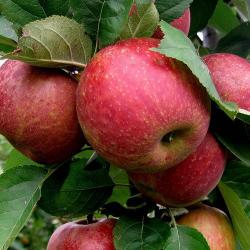
    This variety, of European origin, is basically a form of the well known Blenheim Orange and quite similar in it’s qualities. Belle de Boskoop – Season: A mid season apple for enjoyment early October through November. Belle de Boskoop – appearance: Large and solid, partly to almost entirely covered in a dull crimson flush over green-yellow. Belle de Boskoop apple trees – flavour: Deep cream yielding flesh with a slightly ‘nutty’ and savoury flavour. Uses: Mostly used for dessert but can also be cooked with. Cropping & Growth A vigorous tree little troubled by disease and heavy cropping. Belle de Boskoop - Pollination: Pollination group is ‘B’ so choose any varieties in that group to partner. Tree sizes for Belle de Boskoop: M27 is a miniature stock, ideal for very small gardens, pots on the patio etc. Grows to around 180cm’s. Good hearty soil is preferred. M9 is classed as dwarfing and a good intermiate stock. Matures to 200cm’s plus with a similar spread. M9 is heavy cropping and promotes larger fruits, but needs permanent staking and good soil. M26 stock Is classed as semi-dwarfing. Does well on poorer soil. Reaches 300cm’s+ with the same spread. MM106 is vigorous and the best choice for where a larger ‘orchard sized’ tree is required. Grows 4m+ with the same spread and suitable for most soils.
    Belle de Boskoop Apple Trees This variety, of European origin, is basically a form of the well known Blenheim Orange and quite similar in it’s qualities. Belle de Boskoop – Season: A mid season apple for enjoyment early October through November. Belle de Boskoop – appearance: Large and solid, partly to almost entirely covered in a dull crimson flush over green-yellow. Belle de Boskoop apple trees – flavour: Deep cream yielding flesh with a slightly ‘nutty’ and savoury flavour. Uses: Mostly used for dessert but can also be cooked with. Cropping & Growth A vigorous tree little troubled by disease and heavy cropping. Belle de Boskoop - Pollination: Pollination group is ‘B’ so choose any varieties in that group to partner. Tree sizes for Belle de Boskoop: M27 is a miniature stock, ideal for very small gardens, pots on the patio etc. Grows to around 180cm’s. Good hearty soil is preferred. M9 is classed as dwarfing and a good intermiate stock. Matures to 200cm’s plus with a similar spread. M9 is heavy cropping and promotes larger fruits, but needs permanent staking and good soil. M26 stock Is classed as semi-dwarfing. Does well on poorer soil. Reaches 300cm’s+ with the same spread. MM106 is vigorous and the best choice for where a larger ‘orchard sized’ tree is required. Grows 4m+ with the same spread and suitable for most soils.
    Apple Trees - red fruited, Apples - dual purpose varieties
  • Howgate Wonder mini M27, 2207, 235942, Howgate Wonder mini M27 Howgate Wonder mini M27
    Handsome maroon flushed fruits which can attain a very large size. A cooking variety that keeps some texture, good flavour & frost hardy.
    This Howgate Wonder apple tree is grown on miniature M27 stock. M27 is a rootstock that produces the smallest tree of all; maturing to around 180cm’s in height and width, this tree is ideal for a container or small garden, courtyard or allotment. It should be staked if in a windy or open position. Crops can exceed 20ibs per tree when established and this rootstock is quite precocious, often yielding the year following planting. Howgate Wonder is one of the best cooking apple trees for garden or orchard, introduced from the Isle of Wight in 1929 from a Blenheim Orange x Newton Wonder cross. Highly recommended variety. Howgate Wonder miniature Apple tree – Season: The season of Howgate Wonder apples is genmerally from November to January. Howgate Wonder - appearance: Very large and weighty, deep green usually with a prominent maroon flush. Interior is cream-white. Howgate Wonder apple trees – flavour: Sweet and fruity. Keeps it’s shape more-or-less when cooked and turns a deeper shade of creamy yellow. Ideal for pies and recipes where the appearance of the end product is important. Also ideal for chutneys. Uses: A culinary apple. Cropping & Growth Vigorous, spreading with heavy reliable crops of very large fruit. Good disease resistance and a good variety for cold areas. Howgate Wonder - Pollination: ‘C’ pollination group, use varieties with the same or adjacent groups to pollinate successfully. Here are some suggested varieties: Charles Ross Catshead Gala Falstaff Bountiful Allington Pippin Braeburn
    Howgate Wonder miniature M27 Apple trees for sale This Howgate Wonder apple tree is grown on miniature M27 stock. M27 is a rootstock that produces the smallest tree of all; maturing to around 180cm’s in height and width, this tree is ideal for a container or small garden, courtyard or allotment. It should be staked if in a windy or open position. Crops can exceed 20ibs per tree when established and this rootstock is quite precocious, often yielding the year following planting. Howgate Wonder is one of the best cooking apple trees for garden or orchard, introduced from the Isle of Wight in 1929 from a Blenheim Orange x Newton Wonder cross. Highly recommended variety. Howgate Wonder miniature Apple tree – Season: The season of Howgate Wonder apples is genmerally from November to January. Howgate Wonder - appearance: Very large and weighty, deep green usually with a prominent maroon flush. Interior is cream-white. Howgate Wonder apple trees – flavour: Sweet and fruity. Keeps it’s shape more-or-less when cooked and turns a deeper shade of creamy yellow. Ideal for pies and recipes where the appearance of the end product is important. Also ideal for chutneys. Uses: A culinary apple. Cropping & Growth Vigorous, spreading with heavy reliable crops of very large fruit. Good disease resistance and a good variety for cold areas. Howgate Wonder - Pollination: ‘C’ pollination group, use varieties with the same or adjacent groups to pollinate successfully. Here are some suggested varieties: Charles Ross Catshead Gala Falstaff Bountiful Allington Pippin Braeburn
    Miniature Apple Trees
  • Howgate Wonder stepover, 1907, 235933, Howgate Wonder stepover Howgate Wonder stepover
    Howgate Wonder is a culinary variety with big, weighty fruits, when cooked they keep some texture and have a good flavour. Seaon Nov-Jan.
    Stepover trees are used primarily for edging a border or pathway or to divide the kitche/vegetable garden. These very tiny trees are just 18” in height with two side laterals from the main stem forming a capital ‘T’ shape. The stepover tree is an ormamental addition to your garden and these trees are grown on the smallest avaailable rootstock, M27. Plant 120-150cm’s apart. Howgate Wonder is one of the best cooking apple trees for garden or orchard, introduced from the Isle of Wight in 1929 from a Blenheim Orange x Newton Wonder cross. Highly recommended variety. Howgate Wonder stepover Apple tree – Season: The season of Howgate Wonder apples is genmerally from November to January. Howgate Wonder - appearance: Very large and weighty, deep green usually with a prominent maroon flush. Interior is cream-white. Howgate Wonder apple trees – flavour: Sweet and fruity. Keeps it’s shape more-or-less when cooked and turns a deeper shade of creamy yellow. Ideal for pies and recipes where the appearance of the end product is important. Also ideal for chutneys. Uses: A culinary apple. Cropping & Growth Vigorous, spreading with heavy reliable crops of very large fruit. Good disease resistance and a good variety for cold areas. Howgate Wonder - Pollination: ‘C’ pollination group, use varieties with the same or adjacent groups to pollinate successfully. Here are some suggestions: Charles Ross Allington Pippin Gala Catshead Falstaff Bountiful
    Howgate Wonder stepover Howgate Wonder stepover Apple trees for sale Stepover trees are used primarily for edging a border or pathway or to divide the kitche/vegetable garden. These very tiny trees are just 18” in height with two side laterals from the main stem forming a capital ‘T’ shape. The stepover tree is an ormamental addition to your garden and these trees are grown on the smallest avaailable rootstock, M27. Plant 120-150cm’s apart. Howgate Wonder is one of the best cooking apple trees for garden or orchard, introduced from the Isle of Wight in 1929 from a Blenheim Orange x Newton Wonder cross. Highly recommended variety. Howgate Wonder stepover Apple tree – Season: The season of Howgate Wonder apples is genmerally from November to January. Howgate Wonder - appearance: Very large and weighty, deep green usually with a prominent maroon flush. Interior is cream-white. Howgate Wonder apple trees – flavour: Sweet and fruity. Keeps it’s shape more-or-less when cooked and turns a deeper shade of creamy yellow. Ideal for pies and recipes where the appearance of the end product is important. Also ideal for chutneys. Uses: A culinary apple. Cropping & Growth Vigorous, spreading with heavy reliable crops of very large fruit. Good disease resistance and a good variety for cold areas. Howgate Wonder - Pollination: ‘C’ pollination group, use varieties with the same or adjacent groups to pollinate successfully. Here are some suggestions: Charles Ross Allington Pippin Gala Catshead Falstaff Bountiful
    Stepover Apple Trees
  • Howgate Wonder apple trees, 1282, 235931, Howgate Wonder apple trees Howgate Wonder apple trees
    A very good later cooker with very large fruits which will hold some shape when cooked. Frost resistant, easy to grow.
    One of the best cooking apple trees for garden or orchard, introduced from the Isle of Wight in 1929 from a Blenheim Orange x Newton Wonder cross. Highly recommended variety. Howgate Wonder Apple tree – Season: The season of Howgate Wonder apples is genmerally from November to January. Howgate Wonder - appearance: Very large and weighty, deep green usually with a prominent maroon flush. Interior is cream-white. Howgate Wonder apple treesflavour: Sweet and fruity. Keeps it’s shape more-or-less when cooked and turns a deeper shade of creamy yellow. Ideal for pies and recipes where the appearance of the end product is important. Also ideal for chutneys. Uses: A culinary apple. Cropping & Growth Vigorous, spreading with heavy reliable crops of very large fruit. Good disease resistance and a good variety for cold areas. Howgate Wonder - Pollination: ‘C’ pollination group, use varieties with the same or adjacent groups to pollinate successfully. Here are some suggested varieties: Charles Ross Allington Pippin Gala Falstaff Carlisle Codlin Annie Elizabeth Chivers Delight Tree sizes for Howgate Wonder apple trees: M27 is a miniature stock, ideal for very small gardens, pots on the patio etc. Grows to around 180cm’s. Good hearty soil is preferred. M9 is classed as dwarfing and a good intermiate stock. Matures to 200cm’s plus with a similar spread. M9 is heavy cropping and promotes larger fruits, but needs permanent staking and good soil. M26 stock Is classed as semi-dwarfing. Does well on poorer soil. Reaches 300cm’s+ with the same spread. MM106 is vigorous and the best choice for where a larger ‘orchard sized’ tree is required. Grows 4m+ with the same spread and suitable for most soils.
    Howgate Wonder Apple trees for sale One of the best cooking apple trees for garden or orchard, introduced from the Isle of Wight in 1929 from a Blenheim Orange x Newton Wonder cross. Highly recommended variety. Howgate Wonder Apple tree – Season: The season of Howgate Wonder apples is genmerally from November to January. Howgate Wonder - appearance: Very large and weighty, deep green usually with a prominent maroon flush. Interior is cream-white. Howgate Wonder apple trees – flavour: Sweet and fruity. Keeps it’s shape more-or-less when cooked and turns a deeper shade of creamy yellow. Ideal for pies and recipes where the appearance of the end product is important. Also ideal for chutneys. Uses: A culinary apple. Cropping & Growth Vigorous, spreading with heavy reliable crops of very large fruit. Good disease resistance and a good variety for cold areas. Howgate Wonder - Pollination: ‘C’ pollination group, use varieties with the same or adjacent groups to pollinate successfully. Here are some suggested varieties: Charles Ross Allington Pippin Gala Falstaff Carlisle Codlin Annie Elizabeth Chivers Delight Tree sizes for Howgate Wonder apple trees: M27 is a miniature stock, ideal for very small gardens, pots on the patio etc. Grows to around 180cm’s. Good hearty soil is preferred. M9 is classed as dwarfing and a good intermiate stock. Matures to 200cm’s plus with a similar spread. M9 is heavy cropping and promotes larger fruits, but needs permanent staking and good soil. M26 stock Is classed as semi-dwarfing. Does well on poorer soil. Reaches 300cm’s+ with the same spread. MM106 is vigorous and the best choice for where a larger ‘orchard sized’ tree is required. Grows 4m+ with the same spread and suitable for most soils.
    Apple trees - cooking varieties, Particularly frost resistant
  • Edward VII, 1266, 235410, Edward VII Edward VII
    Edward VII is a late cooker with excellent storage qualities. A hardy, healthy grower.
    A Blenheim Orange x Golden Nible cross in 1902 produced this very late cooker which sotres very well and gives season-extending qualiy culinary apples deep into the Spring. Worcestershire origins. Edward VII Apple tree – Season: Harvest late, in November and use from storage, April or beyond is possible. Edward VII Apple - appearance: A handsome shining dark green apple of medium to large size. Edward VII apple trees – flavour: Robust and fruity, quite sharp so suits English tastes for more robust cookers. Cooks to a fairly firm puree, becoming sweeter later in the season. Uses: Predominantly a culinary apple. Cropping & Growth Attractive blossom, a hardy medium sized fairly upright tree that is easy to manage. Edward VII - Pollination: ‘D’ Pollination group, so use varieties with the same or adjacent pollinating prefixes. Here are some suggested varieties: Charles Ross American Mother Court Pendu Plat Catshead Ashmeads Kernel Tree sizes for Edward VII apple trees: M27 is a miniature stock, ideal for very small gardens, pots on the patio etc. Grows to around 180cm’s. Good hearty soil is preferred. M9 is classed as dwarfing and a good intermiate stock. Matures to 200cm’s plus with a similar spread. M9 is heavy cropping and promotes larger fruits, but needs permanent staking and good soil. M26 stock Is classed as semi-dwarfing. Does well on poorer soil. Reaches 300cm’s+ with the same spread. MM106 is vigorous and the best choice for where a larger ‘orchard sized’ tree is required. Grows 4m+ with the same spread and suitable for most soils.
    Edward VII Apple trees A Blenheim Orange x Golden Nible cross in 1902 produced this very late cooker which sotres very well and gives season-extending qualiy culinary apples deep into the Spring. Worcestershire origins. Edward VII Apple tree – Season: Harvest late, in November and use from storage, April or beyond is possible. Edward VII Apple - appearance: A handsome shining dark green apple of medium to large size. Edward VII apple trees – flavour: Robust and fruity, quite sharp so suits English tastes for more robust cookers. Cooks to a fairly firm puree, becoming sweeter later in the season. Uses: Predominantly a culinary apple. Cropping & Growth Attractive blossom, a hardy medium sized fairly upright tree that is easy to manage. Edward VII - Pollination: ‘D’ Pollination group, so use varieties with the same or adjacent pollinating prefixes. Here are some suggested varieties: Charles Ross American Mother Court Pendu Plat Catshead Ashmeads Kernel Tree sizes for Edward VII apple trees: M27 is a miniature stock, ideal for very small gardens, pots on the patio etc. Grows to around 180cm’s. Good hearty soil is preferred. M9 is classed as dwarfing and a good intermiate stock. Matures to 200cm’s plus with a similar spread. M9 is heavy cropping and promotes larger fruits, but needs permanent staking and good soil. M26 stock Is classed as semi-dwarfing. Does well on poorer soil. Reaches 300cm’s+ with the same spread. MM106 is vigorous and the best choice for where a larger ‘orchard sized’ tree is required. Grows 4m+ with the same spread and suitable for most soils.
    Apple trees - cooking varieties, Apples for disease resistance, Particularly frost resistant

  • Top Tips For Growing Healthy Fruit Trees Top Tips For Growing Healthy Fruit Trees
    Fruit trees are a long term investment; treated kindly they can reward year on year for easily 20 years or more. So having gone to the time and trouble buying and planting them it makes perfect sense to go that little bit further with your investment – keeping them in the pink.

fruit-trees.com
01366386858