Search results

  • Beauty of Bath cordon, 1353, , Beauty of Bath cordon Beauty of Bath cordon
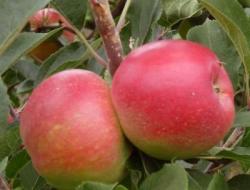
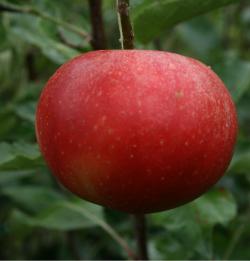
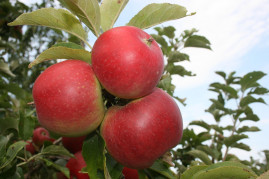
    An excellent very early season extender with a pleasant flavour. The fruits can be eaten straight from the tree in late July/early August.
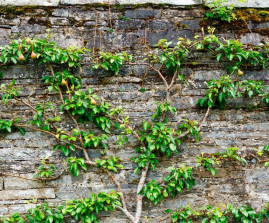
    Beauty of Bath fan-espalier Apple Tree Cordon Apple trees are a good choice for restricted areas and a fence or wall. They can be grown at a 45degree angle, or upright. The rootstock we use for our cordon Beauty of Bath is M9 which is the best stock for cordon trees. Plant 60-80cm’s apart Beauty of Bath is one of the earliest ripening Apples of all; it was raised in Somerset in 1864. Beauty of Bath Cordon Apple tree – Season: Very early. Harvest and enjoy straight from the tree, from late July. Does not last long in good condition so enjoy at once. Beauty of Bath Apple - appearance: Small to medium sized, mostly covered in a skin of deep red. Beauty of Bath cordon apple trees – flavour: Sprightly, refreshing and juicy, becoming more bland with age. Uses: A dessert apple to enjoy straight from the tree. Although it does not keep at all, Beauty of Bath is well worth considering as the early fruits are well worth having. Cropping & Growth Reasonably vigorous but easily contained and easy to grow. Heavy cropping. Beauty of Bath - Pollination: Pollination group is ‘A’ so choose any varieties in that or adjacent ‘B’group to partner. Here are some suggested varieties: Idared Egremont Russet Christmas Pearmain Red Falstaff Irish Peach
    Beauty of Bath fan-espalier Apple Tree Cordon Apple trees are a good choice for restricted areas and a fence or wall. They can be grown at a 45degree angle, or upright. The rootstock we use for our cordon Beauty of Bath is M9 which is the best stock for cordon trees. Plant 60-80cm’s apart Beauty of Bath is one of the earliest ripening Apples of all; it was raised in Somerset in 1864. Beauty of Bath Cordon Apple tree – Season: Very early. Harvest and enjoy straight from the tree, from late July. Does not last long in good condition so enjoy at once. Beauty of Bath Apple - appearance: Small to medium sized, mostly covered in a skin of deep red. Beauty of Bath cordon apple trees – flavour: Sprightly, refreshing and juicy, becoming more bland with age. Uses: A dessert apple to enjoy straight from the tree. Although it does not keep at all, Beauty of Bath is well worth considering as the early fruits are well worth having. Cropping & Growth Reasonably vigorous but easily contained and easy to grow. Heavy cropping. Beauty of Bath - Pollination: Pollination group is ‘A’ so choose any varieties in that or adjacent ‘B’group to partner. Here are some suggested varieties: Idared Egremont Russet Christmas Pearmain Red Falstaff Irish Peach
    Cordon Apple Trees
  • Beauty of Bath fan/espalier, 1351, 235013, Beauty of Bath fan/espalier Beauty of Bath fan/espalier
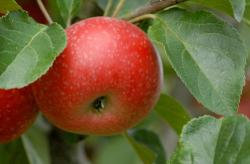
    Ripening from late July, this is a beautiful apple with a jolly red skin and a sprightly flavour.
    Beauty of Bath fan-espalier Apple Tree Espalier or fan trees are used against a wall; you will need not less than 180 x 180cm’s for a fan or espalier tree. Please note we do not supply ready trained trees; this Beauty of Bath is a young tree suitable for training yourself, in situ. Such trees usually settle to cropping within 2 or 3 seasons Beauty of Bath  is one of the earliest ripening Apples of all; it was raised in Somerset in 1864. Beauty of Bath Apple tree – Season: Very early. Harvest and enjoy straight from the tree, from late July. Does not last long in good condition so enjoy at once. Beauty of Bath Apple - appearance: Small to medium sized, mostly covered in a skin of deep red. Beauty of Bath apple treesflavour: Sprightly, refreshing and juicy, becoming more bland with age. Uses: A dessert apple to enjoy straight from the tree. Although it does not keep at all, Beauty of Bath is well worth considering as the early fruits are well worth having. Cropping & Growth Reasonably vigorous but easily contained and easy to grow. Heavy cropping. Beauty of Bath - Pollination: Pollination group is ‘A’ so choose any varieties in that or adjacent ‘B’group to partner. Here are some suggested varieties: Egremont Russet Red Falstaff Christmas Pearmain Idared Irish Peach
    Beauty of Bath fan-espalier Apple Tree Espalier or fan trees are used against a wall; you will need not less than 180 x 180cm’s for a fan or espalier tree. Please note we do not supply ready trained trees; this Beauty of Bath is a young tree suitable for training yourself, in situ. Such trees usually settle to cropping within 2 or 3 seasons Beauty of Bath  is one of the earliest ripening Apples of all; it was raised in Somerset in 1864. Beauty of Bath Apple tree – Season: Very early. Harvest and enjoy straight from the tree, from late July. Does not last long in good condition so enjoy at once. Beauty of Bath Apple - appearance: Small to medium sized, mostly covered in a skin of deep red. Beauty of Bath apple trees – flavour: Sprightly, refreshing and juicy, becoming more bland with age. Uses: A dessert apple to enjoy straight from the tree. Although it does not keep at all, Beauty of Bath is well worth considering as the early fruits are well worth having. Cropping & Growth Reasonably vigorous but easily contained and easy to grow. Heavy cropping. Beauty of Bath - Pollination: Pollination group is ‘A’ so choose any varieties in that or adjacent ‘B’group to partner. Here are some suggested varieties: Egremont Russet Red Falstaff Christmas Pearmain Idared Irish Peach
    Fan and Espalier Apple Trees
  • St Edmunds Pippin apple trees, 616, 236523, St Edmunds Pippin apple trees St Edmunds Pippin apple trees
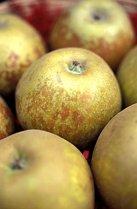
    A small and compact tree sometimes known as St Edmunds Russet. Quite early ripening [September] with a good rich russet type flavour.
    Also known as St Emunds Russet. St Edmunds Pippin apple tree – Season: Relatively early for a russet, can be enjoyed from late September, sometimes earlier. Stores for about 4-6 weeks. St Edmunds Pippin – appearance: Circular golden-brown russetted skin throughout. Scrumptious apple trees – flavour: Very good flavour; firm cream flesh with a characteristic slightly aromatic true russet flavour. Uses: A dessert apple. Cropping & Growth A small and compact tree. St Edmunds Pippin Apple Trees - Pollination: ‘A’ pollination group. Here are some suggested varieties to go with St Edmunds Pippin: Irish peach Granny Smith Christmas Pearmain Idared Lord Lambourne Beauty of Bath Egremont Russet Tree sizes for St Edmunds Pippin apple trees M27 is a miniature stock, ideal for very small gardens, pots on the patio etc. Grows to around 180cm’s. Good hearty soil is preferred. M9 is classed as dwarfing and a good intermediate stock. Matures to 200cm’s plus with a similar spread. M9 is heavy cropping and promotes larger fruits, but needs permanent staking and good soil. M26 stock Is classed as semi-dwarfing. Does well on poorer soil. Reaches 300cm’s+ with the same spread. MM106 is vigorous and the best choice for where a larger ‘orchard sized’ tree is required. Grows 4m+ with the same spread and suitable for most soils.
    St Edmunds Pippin Apple Tree Also known as St Emunds Russet. St Edmunds Pippin apple tree – Season: Relatively early for a russet, can be enjoyed from late September, sometimes earlier. Stores for about 4-6 weeks. St Edmunds Pippin – appearance: Circular golden-brown russetted skin throughout. Scrumptious apple trees – flavour: Very good flavour; firm cream flesh with a characteristic slightly aromatic true russet flavour. Uses: A dessert apple. Cropping & Growth A small and compact tree. St Edmunds Pippin Apple Trees - Pollination: ‘A’ pollination group. Here are some suggested varieties to go with St Edmunds Pippin: Irish peach Granny Smith Christmas Pearmain Idared Lord Lambourne Beauty of Bath Egremont Russet Tree sizes for St Edmunds Pippin apple trees M27 is a miniature stock, ideal for very small gardens, pots on the patio etc. Grows to around 180cm’s. Good hearty soil is preferred. M9 is classed as dwarfing and a good intermediate stock. Matures to 200cm’s plus with a similar spread. M9 is heavy cropping and promotes larger fruits, but needs permanent staking and good soil. M26 stock Is classed as semi-dwarfing. Does well on poorer soil. Reaches 300cm’s+ with the same spread. MM106 is vigorous and the best choice for where a larger ‘orchard sized’ tree is required. Grows 4m+ with the same spread and suitable for most soils.
    Apples - late storing, Russet Apple trees
  • Beauty of Bath Mini M27, 174, 235012, Beauty of Bath Mini M27 Beauty of Bath Mini M27
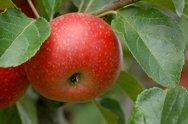
    Beuty of Bath is a very early highly coloured apple with a juicy refreshing flesh.
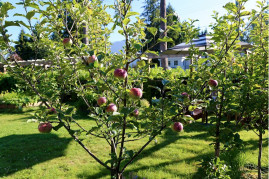
    Beauty of Bath Miniature M27 Apple Tree This tree is grown on miniature M27 stock. M27 is a rootstock that produces the smallest tree of all; maturing to around 180cm’s in height and width, this tree is ideal for a container or small garden, courtyard or allotment. It should be staked if in a windy or open position. Crops can exceed 20ibs per tree when established and this rootstock is quite precocious, often yielding the year following planting. Beauty of Bath is one of the earliest ripening Apples of all; it was raised in Somerset in 1864. Beauty of Bath Apple tree – Season: Very early. Harvest and enjoy straight from the tree, from late July. Does not last long in good condition so enjoy at once. Beauty of Bath Apple - appearance: Small to medium sized, mostly covered in a skin of deep red. Beauty of Bath apple trees – flavour: Sprightly, refreshing and juicy, becoming more bland with age. Uses: A dessert apple to enjoy straight from the tree. Although it does not keep at all, Beauty of Bath is well worth considering as the early fruits are well worth having. Cropping & Growth Reasonably vigorous but easily contained and easy to grow. Heavy cropping. Beauty of Bath - Pollination: Pollination group is ‘A’ so choose any varieties in that or adjacent ‘B’group to partner. Here are some suggested varieties: Egremont Russet Irish Peach Redsleeves Idared Christmas Pearmain
    Beauty of Bath Miniature M27 Apple Tree This tree is grown on miniature M27 stock. M27 is a rootstock that produces the smallest tree of all; maturing to around 180cm’s in height and width, this tree is ideal for a container or small garden, courtyard or allotment. It should be staked if in a windy or open position. Crops can exceed 20ibs per tree when established and this rootstock is quite precocious, often yielding the year following planting. Beauty of Bath is one of the earliest ripening Apples of all; it was raised in Somerset in 1864. Beauty of Bath Apple tree – Season: Very early. Harvest and enjoy straight from the tree, from late July. Does not last long in good condition so enjoy at once. Beauty of Bath Apple - appearance: Small to medium sized, mostly covered in a skin of deep red. Beauty of Bath apple trees – flavour: Sprightly, refreshing and juicy, becoming more bland with age. Uses: A dessert apple to enjoy straight from the tree. Although it does not keep at all, Beauty of Bath is well worth considering as the early fruits are well worth having. Cropping & Growth Reasonably vigorous but easily contained and easy to grow. Heavy cropping. Beauty of Bath - Pollination: Pollination group is ‘A’ so choose any varieties in that or adjacent ‘B’group to partner. Here are some suggested varieties: Egremont Russet Irish Peach Redsleeves Idared Christmas Pearmain
    Miniature Apple Trees
  • Fruit trees for the greenhouse Fruit trees for the greenhouse
    If you have available space in a greenhouse or conservatory you will quickly come to realise that this adds a valuable extra dimension to your fruit tree growing exploits. Not only are there a number of fruit trees that will appreciate the protection and warmer environment, that might be unsuitable for your garden space, you will also get the benefit of earlier crops too.
  • Reverend W Wilks apple trees, 1135, 236359, Reverend W Wilks apple trees Reverend W Wilks apple trees
    A classic culinary variety that cooks to a juicy well flavoured froth. Much favoured for sauces.
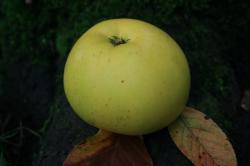
    Raised and introeduced by the famous Veitch Nurseries, Slough, Berkshire in 1908. Has remained one of the most prominent culinary varieties ever since. Reverend W Wilks apple tree – Season: For use throughout September & October. Reverend W Wilks – appearance: A large semi-conical apple of very pale whitish-green with some orange striping. Reverend W Wilks apple trees – flavour: Well known for cooking to a sweet golden froth. Superb for dumplings, jellies and sauces. Uses: A classic culinary apple. Cropping & Growth Quite compact, especially in the early years. Good cropper, can be biennial. Rev W Wilks - Pollination: Pollination group ‘A’ so pollinate with varieties in the same or adjacent groups. Here are some suggested varieties: Beauty of Bath Margaret Irish Peach Grenadier Christmas Pearmain Idared Granny Smith Fall Russet Tree sizes for Reverend W Wilks apple trees for sale: M27 is a miniature stock, ideal for very small gardens, pots on the patio etc. Grows to around 180cm’s. Good hearty soil is preferred. M9 is classed as dwarfing and a good intermediate stock. Matures to 200cm’s plus with a similar spread. M9 is heavy cropping and promotes larger fruits, but needs permanent staking and good soil. M26 stock Is classed as semi-dwarfing. Does well on poorer soil. Reaches 300cm’s+ with the same spread. MM106 is vigorous and the best choice for where a larger ‘orchard sized’ tree is required. Grows 4m+ with the same spread and suitable for most soils.
    Reverend W Wilks Apple Trees for sale Raised and introeduced by the famous Veitch Nurseries, Slough, Berkshire in 1908. Has remained one of the most prominent culinary varieties ever since. Reverend W Wilks apple tree – Season: For use throughout September & October. Reverend W Wilks – appearance: A large semi-conical apple of very pale whitish-green with some orange striping. Reverend W Wilks apple trees – flavour: Well known for cooking to a sweet golden froth. Superb for dumplings, jellies and sauces. Uses: A classic culinary apple. Cropping & Growth Quite compact, especially in the early years. Good cropper, can be biennial. Rev W Wilks - Pollination: Pollination group ‘A’ so pollinate with varieties in the same or adjacent groups. Here are some suggested varieties: Beauty of Bath Margaret Irish Peach Grenadier Christmas Pearmain Idared Granny Smith Fall Russet Tree sizes for Reverend W Wilks apple trees for sale: M27 is a miniature stock, ideal for very small gardens, pots on the patio etc. Grows to around 180cm’s. Good hearty soil is preferred. M9 is classed as dwarfing and a good intermediate stock. Matures to 200cm’s plus with a similar spread. M9 is heavy cropping and promotes larger fruits, but needs permanent staking and good soil. M26 stock Is classed as semi-dwarfing. Does well on poorer soil. Reaches 300cm’s+ with the same spread. MM106 is vigorous and the best choice for where a larger ‘orchard sized’ tree is required. Grows 4m+ with the same spread and suitable for most soils.
    Apple trees - cooking varieties, Apples - late storing
  • Vistabella apple tree, 752, 236647, Vistabella apple tree Vistabella apple tree
    Although comparitively little known in this country, very popular on the continent. A fabulous looking apple, the intense red skin can develop a beautiful dusky purple 'bloom' on the surface. Early ripening, from late Julu/early August and a hardy doer.
    A variety from New Jersey, USA introduced 1974. A good early apple and very attractive. Vistabella apple tree – Season: August and September eating. Vistabella – appearance: Beautiful and distinct, conical, medium sized and almost entirely covered in a deep maroon-purple skin finish, The skin often has a light bloom. Vistabella apple trees – flavour: Sweet and light but subtle too with hints of raspberry. Tender flesh. Uses: A dessert apple and perfect for decoration purposes. Has also been juiced. Cropping & Growth Medium vigour, stocky. Vistabella Apple Trees - Pollination: Pollination group ‘A’ partner with any varieties in the same or adjacent groups. Here are some suggested varieties: Idared Irish Peach Egremont Russet Rev.W.Wilks Beauty of Bath Christmas Pearmain Tree sizes for Vistabella apple trees for sale M27 is a miniature stock, ideal for very small gardens, pots on the patio etc. Grows to around 180cm’s. Good hearty soil is preferred. M9 is classed as dwarfing and a good intermediate stock. Matures to 200cm’s plus with a similar spread. M9 is heavy cropping and promotes larger fruits, but needs permanent staking and good soil. M26 stock Is classed as semi-dwarfing. Does well on poorer soil. Reaches 300cm’s+ with the same spread. MM106 is vigorous and the best choice for where a larger ‘orchard sized’ tree is required. Grows 4m+ with the same spread and suitable for most soils
    Vistabella Apple Trees A variety from New Jersey, USA introduced 1974. A good early apple and very attractive. Vistabella apple tree – Season: August and September eating. Vistabella – appearance: Beautiful and distinct, conical, medium sized and almost entirely covered in a deep maroon-purple skin finish, The skin often has a light bloom. Vistabella apple trees – flavour: Sweet and light but subtle too with hints of raspberry. Tender flesh. Uses: A dessert apple and perfect for decoration purposes. Has also been juiced. Cropping & Growth Medium vigour, stocky. Vistabella Apple Trees - Pollination: Pollination group ‘A’ partner with any varieties in the same or adjacent groups. Here are some suggested varieties: Idared Irish Peach Egremont Russet Rev.W.Wilks Beauty of Bath Christmas Pearmain Tree sizes for Vistabella apple trees for sale M27 is a miniature stock, ideal for very small gardens, pots on the patio etc. Grows to around 180cm’s. Good hearty soil is preferred. M9 is classed as dwarfing and a good intermediate stock. Matures to 200cm’s plus with a similar spread. M9 is heavy cropping and promotes larger fruits, but needs permanent staking and good soil. M26 stock Is classed as semi-dwarfing. Does well on poorer soil. Reaches 300cm’s+ with the same spread. MM106 is vigorous and the best choice for where a larger ‘orchard sized’ tree is required. Grows 4m+ with the same spread and suitable for most soils
    Apple trees - early varieties, Apple Trees - red fruited, Apples - late storing, Particularly frost resistant

  • Beauty of Bath, 632, 235011, Beauty of Bath Beauty of Bath
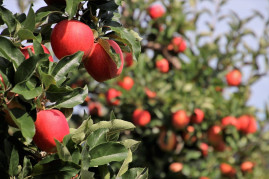
    One of the earliest of all varieties to ripen and a good variety to extend the season; pick from the tree and enjoy straight away, from early August.
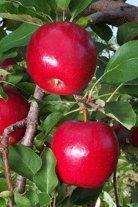
    Beauty of Bath is one of the earliest ripening Apples of all; it was raised in Somerset in 1864. Beauty of Bath Apple tree – Season: Very early. Harvest and enjoy straight from the tree, from late July. Does not last long in good condition so enjoy at once. Beauty of Bath Apple - appearance: Small to medium sized, mostly covered in a skin of deep red. Beauty of Bath apple trees – flavour: Sprightly, refreshing and juicy, becoming more bland with age. Uses: A dessert apple to enjoy straight from the tree. Although it does not keep at all, Beauty of Bath is well worth considering as the early fruits are well worth having. Cropping & Growth Reasonably vigorous but easily contained and easy to grow. Heavy cropping. Beauty of Bath- Pollination: Pollination group is ‘A’ so choose any varieties in that or adjacent ‘B’group to partner. Here are some suggested vfarieties: Christmas Pearmain Egremont Russet Irish Peach Granny Smith Rev..W.Wilks James Grieve Tree sizes for Beauty of Bath: M27 is a miniature stock, ideal for very small gardens, pots on the patio etc. Grows to around 180cm’s. Good hearty soil is preferred. M9 is classed as dwarfing and a good intermiate stock. Matures to 200cm’s plus with a similar spread. M9 is heavy cropping and promotes larger fruits, but needs permanent staking and good soil. M26 stock Is classed as semi-dwarfing. Does well on poorer soil. Reaches 300cm’s+ with the same spread. MM106 is vigorous and the best choice for where a larger ‘orchard sized’ tree is required. Grows 4m+ with the same spread and suitable for most soils.
    Beauty of Bath Apple Tree for sale Beauty of Bath is one of the earliest ripening Apples of all; it was raised in Somerset in 1864. Beauty of Bath Apple tree – Season: Very early. Harvest and enjoy straight from the tree, from late July. Does not last long in good condition so enjoy at once. Beauty of Bath Apple - appearance: Small to medium sized, mostly covered in a skin of deep red. Beauty of Bath apple trees – flavour: Sprightly, refreshing and juicy, becoming more bland with age. Uses: A dessert apple to enjoy straight from the tree. Although it does not keep at all, Beauty of Bath is well worth considering as the early fruits are well worth having. Cropping & Growth Reasonably vigorous but easily contained and easy to grow. Heavy cropping. Beauty of Bath- Pollination: Pollination group is ‘A’ so choose any varieties in that or adjacent ‘B’group to partner. Here are some suggested vfarieties: Christmas Pearmain Egremont Russet Irish Peach Granny Smith Rev..W.Wilks James Grieve Tree sizes for Beauty of Bath: M27 is a miniature stock, ideal for very small gardens, pots on the patio etc. Grows to around 180cm’s. Good hearty soil is preferred. M9 is classed as dwarfing and a good intermiate stock. Matures to 200cm’s plus with a similar spread. M9 is heavy cropping and promotes larger fruits, but needs permanent staking and good soil. M26 stock Is classed as semi-dwarfing. Does well on poorer soil. Reaches 300cm’s+ with the same spread. MM106 is vigorous and the best choice for where a larger ‘orchard sized’ tree is required. Grows 4m+ with the same spread and suitable for most soils.
    Apple trees - early varieties, Apple Trees - red fruited
  • Lord Lambourne apple tree, 394, 236170, Lord Lambourne apple tree Lord Lambourne apple tree
    Lord Lambourne has a sweet flavour and a nice colour. This popular dessert apple ripens late September, for use until mid-late November. It is early flowering.
    One of the ‘famous names’ in garden apples, this Worcester Pearmain x James Grieve cross was introduced in 1923. Lord Lambourne Apple tree – Season: Lord Lambourne can be harvested late September for use until mid November. Lord Lambourne - appearance: Lord Lambourne is a medium sized circular apple of greenish gold with a bright red flush and stripes. Nicely scented when ripe. Lord Lambourne apple trees – flavour: A good marriage of the two parents; largely sweet and juicy with a lightly fruity taste but does also have the balancing acidity of James Grieve. Uses: Usually eaten as dessert. Cropping & Growth Low to medium vigour. Lord Lambourne - Pollination: ‘A’ pollination group, use varieties with the same or adjacent groups to pollinate successfully. Here are some suggested varieties: Christmas Pearmain Idared Egremont Russet Irish Peach Beauty of Bath Fall Russet Tree sizes for Lord Lambourne apple trees for sale: M27 is a miniature stock, ideal for very small gardens, pots on the patio etc. Grows to around 180cm’s. Good hearty soil is preferred. M9 is classed as dwarfing and a good intermiate stock. Matures to 200cm’s plus with a similar spread. M9 is heavy cropping and promotes larger fruits, but needs permanent staking and good soil. M26 stock Is classed as semi-dwarfing. Does well on poorer soil. Reaches 300cm’s+ with the same spread. MM106 is vigorous and the best choice for where a larger ‘orchard sized’ tree is required. Grows 4m+ with the same spread and suitable for most soils.
    Lord Lambourne Apple trees for sale One of the ‘famous names’ in garden apples, this Worcester Pearmain x James Grieve cross was introduced in 1923. Lord Lambourne Apple tree – Season: Lord Lambourne can be harvested late September for use until mid November. Lord Lambourne - appearance: Lord Lambourne is a medium sized circular apple of greenish gold with a bright red flush and stripes. Nicely scented when ripe. Lord Lambourne apple trees – flavour: A good marriage of the two parents; largely sweet and juicy with a lightly fruity taste but does also have the balancing acidity of James Grieve. Uses: Usually eaten as dessert. Cropping & Growth Low to medium vigour. Lord Lambourne - Pollination: ‘A’ pollination group, use varieties with the same or adjacent groups to pollinate successfully. Here are some suggested varieties: Christmas Pearmain Idared Egremont Russet Irish Peach Beauty of Bath Fall Russet Tree sizes for Lord Lambourne apple trees for sale: M27 is a miniature stock, ideal for very small gardens, pots on the patio etc. Grows to around 180cm’s. Good hearty soil is preferred. M9 is classed as dwarfing and a good intermiate stock. Matures to 200cm’s plus with a similar spread. M9 is heavy cropping and promotes larger fruits, but needs permanent staking and good soil. M26 stock Is classed as semi-dwarfing. Does well on poorer soil. Reaches 300cm’s+ with the same spread. MM106 is vigorous and the best choice for where a larger ‘orchard sized’ tree is required. Grows 4m+ with the same spread and suitable for most soils.
    Apples - late storing, Apples-mid season
  • 10 Best Fruit Trees to Grow in the UK 10 Best Fruit Trees to Grow in the UK
    There's nothing like fruit trees to add beauty and value to a residential property. With space to plant several, you're wondering what would be most likely to flourish in your back garden. The fact is there are a number of UK fruit trees that are known to grow well. Consider the following suggestions, and how they fit in with your likes and dislikes.
  • 10 Best Fruit Trees To Grow - Tips For Growing Fruit Trees 10 Best Fruit Trees To Grow - Tips For Growing Fruit Trees
    To help you get started, consider these ten options for fruit trees. You'll find that they are highly likely to be great options for your property, and may even inspire some other ideas of how you can make the space even more inviting and functional.
  • 10 Best Fruit Trees for Your Garden 10 Best Fruit Trees for Your Garden
    10 Best Fruit Trees for Your Garden
  • Top Tips For Growing Fruit Trees In Small Gardens Top Tips For Growing Fruit Trees In Small Gardens
    So many gardeners dream of having an orchard of their own but equally the majority of gardeners aren’t blessed with endless space. The start of your fruit tree growing dream can seem a bit daunting…. But hold onto your dream and harness the anticipation because almost anything is possible for this is where the excitement really starts!
  • Take Care of Fruit Trees in the Summer Take Care of Fruit Trees in the Summer
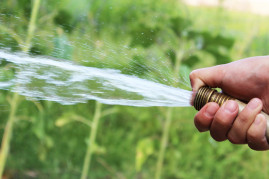
    While summer can mean enjoying rain now and then, don’t assume that it will be enough to keep the trees in top condition. Be prepared to water the trees at least a few times a week. While it’s fine to skip a day when it’s rained, don’t allow the trees to go more than three days without some sort of water.
  • Tips and Tricks for Planting Your Garden Tips and Tricks for Planting Your Garden
    Change is in the air and it’s not just inside the home. You’ve decided that it’s time to transform your garden into everything that you’ve always wanted. The question is how to begin the process. You don’t really think that choosing to buy fruit trees UK and plant them in any old spot in the garden is the way to go. In fact, you’re correct. You need a plan of action in order to develop a garden that you will love. Here are some tips that will help.
  • Top Tips For Growing Healthy Fruit Trees Top Tips For Growing Healthy Fruit Trees
    Fruit trees are a long term investment; treated kindly they can reward year on year for easily 20 years or more. So having gone to the time and trouble buying and planting them it makes perfect sense to go that little bit further with your investment – keeping them in the pink.
  • The Easy Beginners Guide To Growing Fruit Trees The Easy Beginners Guide To Growing Fruit Trees
    It’s surprising how many keen and experienced gardeners know comparatively little about planting fruit trees. Maybe it’s because they’re the kind of thing you don’t plant too often, certainly not every year. Or perhaps it’s because the subject seems daunting and complicated.
  • 10 Helpful Hints to Start Growing Fruit Trees in Your Garden 10 Helpful Hints to Start Growing Fruit Trees in Your Garden
    10 Helpful Hints to Start Growing Fruit Trees in Your Garden
  • Tips to Get More Fruit From Your Fruit Trees Tips to Get More Fruit From Your Fruit Trees
    You’re happy with the progress made on the property, in terms of adding new fruit trees. Everything is space properly and you even decided to include some dwarf trees in the planning. The fact that you purchased fruit trees online allowed you to include varieties that will thrive in the climate but were hard to find locally.
  • The Best Low-Maintenance Fruit Trees The Best Low-Maintenance Fruit Trees
    It's nice to have enough property to add a few fruit trees. Even so, do you know which trees would work best? Unless you plan to spend a lot of time caring for the trees, it pays to know which ones will require relatively little attention. Before you buy fruit trees online, take the time to learn which ones are truly low-maintenance. You may be surprised at how many choices are open to you.

fruit-trees.com
01366386858