Search results

  • Merton Pride pear trees, 2295, 236967, Merton Pride pear trees Merton Pride pear trees
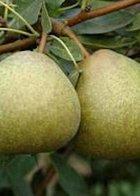
    This newer Pear variety is often regarded as an equivalent to the esteemed 'Doyenne du Comice' only easier to grow well. It bears large, fleshy fruits with a very fine flavour

    Merton Pride pear trees

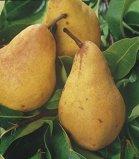
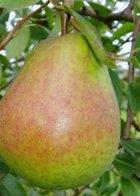
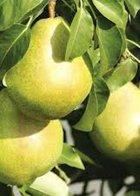
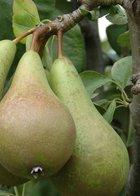
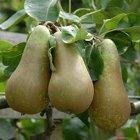
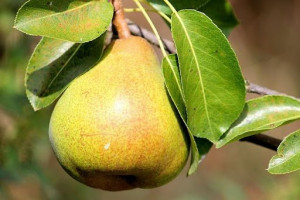
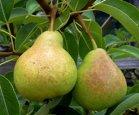
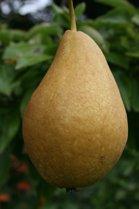
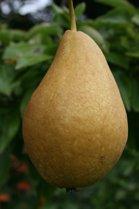
    Merton Pride Pear Trees A more recent variety but one which has been compared to a Doyenne duComice only a better performer. The large quality fruits are borne on a vigorous tree that was English raised and held in high esteem by professionals. Merton Pride Pear Tree – season Ready for picking late September and use through November. Merton Pride Pear – appearance Large, pear shaped, pale green throughout with a slight russet. Flavour Very fleshy, tender, dripping with juice and with an intense yet sweet pear-drop flavour that makes the mouth water. Merton Pride Pear – Pollination A triploid so needs 2 other trees to crop well. Here is a list of suggested varieties: Concorde Invincible Williams bon Chretien Beurre Hardy Improved Fertility Beth Tree sizes for Merton Pride Pear trees: Quince C rootstock Is the most compact stock generally used for Pears. It can be maintained at an easily harvested 180-260cm’s and can be planted around 150-180cm’s apart. Quince ‘C’ is easily the most satisfactory rootstock for garden use and can even be incorporated into a large – say 24” – container and kept on the patio. Such trees may be restricted below the 180cm mark. Quince A rootstock Is more vigorous than Quince ‘C’ and is ideal for orchard planting, grassy area’s and the larger border. It will grow to 250-350cm’s and should be planted not less than 250cm’s apart. A heavy cropping tree suitable for most good soils and situations.
    Merton Pride pear trees Merton Pride Pear Trees A more recent variety but one which has been compared to a Doyenne duComice only a better performer. The large quality fruits are borne on a vigorous tree that was English raised and held in high esteem by professionals. Merton Pride Pear Tree – season Ready for picking late September and use through November. Merton Pride Pear – appearance Large, pear shaped, pale green throughout with a slight russet. Flavour Very fleshy, tender, dripping with juice and with an intense yet sweet pear-drop flavour that makes the mouth water. Merton Pride Pear – Pollination A triploid so needs 2 other trees to crop well. Here is a list of suggested varieties: Concorde Invincible Williams bon Chretien Beurre Hardy Improved Fertility Beth Tree sizes for Merton Pride Pear trees: Quince C rootstock Is the most compact stock generally used for Pears. It can be maintained at an easily harvested 180-260cm’s and can be planted around 150-180cm’s apart. Quince ‘C’ is easily the most satisfactory rootstock for garden use and can even be incorporated into a large – say 24” – container and kept on the patio. Such trees may be restricted below the 180cm mark. Quince A rootstock Is more vigorous than Quince ‘C’ and is ideal for orchard planting, grassy area’s and the larger border. It will grow to 250-350cm’s and should be planted not less than 250cm’s apart. A heavy cropping tree suitable for most good soils and situations.
    Fan Espalier Pears

  • Louise Bonne de Jersey fan espalier pear, 2293, 236961, Louise Bonne de Jersey fan espalier pear Louise Bonne de Jersey fan espalier pear
    Nicely coloured and nicely flavouired fruits ripening during the second-early season. Makes a tidy, well foliated tree with nice blossom.

    Louise Bonne de Jersey fan espalier pear

    Louise Bonne de Jersey Pear Trees for sale Espalier or fan Pear trees are used against a wall; you will need not less than 180 x 180cm’s for a fan or espalier tree. Please note we do not supply ready trained trees; this Louise Bonne de Jersey is a young tree suitable for training yourself, in situ. Such trees usually settle to cropping within 2 or 3 seasons. This is a second early in season, this popular choice makes an attractive, upright, well foliated tree with fruits nicely coloured. Louise Bonne de Jersey Pear Tree – season Mid September to early-mid October. Wait until the fruits have coloured well and will part from the tree easily before picking. Louise Bonne de Jersey Pear – appearance Traditional Pear shape, green/yellow smooth skinned and shinyl, the sunny side has a bold vermillion flush. Flavour When eaten at the correct stage is one of the finest Pears of all, tender and divinely sweet & juicy.. Louise Bonne de Jersey Pear – Pollination This variety belongs to the ‘A’ pollination group so will partner well with others in the same or adjacent groups. Here are some suggested varieties: Concorde Invincible Packhams Triumph Beurre Hardy Durondeau Tree sizes for Louise Bonne de Jersey Pear trees: Quince C rootstock Is the most compact stock generally used for Pears. It can be maintained at an easily harvested 180-260cm’s and can be planted around 150-180cm’s apart. Quince ‘C’ is easily the most satisfactory rootstock for garden use and can even be incorporated into a large – say 24” – container and kept on the patio. Such trees may be restricted below the 180cm mark. Quince A rootstock Is more vigorous than Quince ‘C’ and is ideal for orchard planting, grassy area’s and the larger border. It will grow to 250-350cm’s and should be planted not less than 250cm’s apart. A heavy cropping tree suitable for most good soils and situations.
    Louise Bonne de Jersey fan espalier pear Louise Bonne de Jersey Pear Trees for sale Espalier or fan Pear trees are used against a wall; you will need not less than 180 x 180cm’s for a fan or espalier tree. Please note we do not supply ready trained trees; this Louise Bonne de Jersey is a young tree suitable for training yourself, in situ. Such trees usually settle to cropping within 2 or 3 seasons. This is a second early in season, this popular choice makes an attractive, upright, well foliated tree with fruits nicely coloured. Louise Bonne de Jersey Pear Tree – season Mid September to early-mid October. Wait until the fruits have coloured well and will part from the tree easily before picking. Louise Bonne de Jersey Pear – appearance Traditional Pear shape, green/yellow smooth skinned and shinyl, the sunny side has a bold vermillion flush. Flavour When eaten at the correct stage is one of the finest Pears of all, tender and divinely sweet & juicy.. Louise Bonne de Jersey Pear – Pollination This variety belongs to the ‘A’ pollination group so will partner well with others in the same or adjacent groups. Here are some suggested varieties: Concorde Invincible Packhams Triumph Beurre Hardy Durondeau Tree sizes for Louise Bonne de Jersey Pear trees: Quince C rootstock Is the most compact stock generally used for Pears. It can be maintained at an easily harvested 180-260cm’s and can be planted around 150-180cm’s apart. Quince ‘C’ is easily the most satisfactory rootstock for garden use and can even be incorporated into a large – say 24” – container and kept on the patio. Such trees may be restricted below the 180cm mark. Quince A rootstock Is more vigorous than Quince ‘C’ and is ideal for orchard planting, grassy area’s and the larger border. It will grow to 250-350cm’s and should be planted not less than 250cm’s apart. A heavy cropping tree suitable for most good soils and situations.
    Fan Espalier Pears
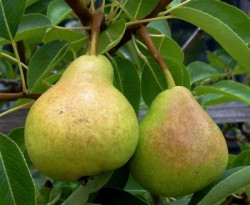
  • Josephine de Malines fan espalier, 2291, 236957, Josephine de Malines fan espalier Josephine de Malines fan espalier
    Small and deliciously flavoure fruits which last very well in stoe. A small-growing but hardy tree, much favoured.

    Josephine de Malines fan espalier

    Josephine de Malines fan espalier Pear Trees Espalier or fan Pear trees are used against a wall; you will need not less than 180 x 180cm’s for a fan or espalier tree. Please note we do not supply ready trained trees; this Josephine de Malines is a young tree suitable for training yourself, in situ. Such trees usually settle to cropping within 2 or 3 seasons. Josephine is, at first glance not a variety to excite the imagination, being a small weakly tree with small, unnassuming fruits. But the delectable flavour and very late season hint at treasured to be discovered. Belgium raised, in 1830. Best in good soil and a protected position. Josephine de Malines Pear Tree – season Harvest late, at the end of October. Will keep in store until March at least and seems to get better and better. Josephine de Malines Pear – appearance The fruits are circular to conical, pale green with some russet patches, yellowing when fully ripe. Flavour One of the best-tasting of all Pears with a sumptuous yielding juicy green-white flesh and a deep, intense mouthwatering flavour. Josephine de Malines Pear – Pollination This variety belongs to the ‘B’ pollination group so will partner well with others in the same or adjacent groups.Here are some suggested varieties: Beth Concorde Conference Beurre Hardy Invincible Tree sizes for Josephine de Malines Pear trees: Quince C rootstock Is the most compact stock generally used for Pears. It can be maintained at an easily harvested 180-260cm’s and can be planted around 150-180cm’s apart. Quince ‘C’ is easily the most satisfactory rootstock for garden use and can even be incorporated into a large – say 24” – container and kept on the patio. Such trees may be restricted below the 180cm mark. Quince A rootstock Is more vigorous than Quince ‘C’ and is ideal for orchard planting, grassy area’s and the larger border. It will grow to 250-350cm’s and should be planted not less than 250cm’s apart. A heavy cropping tree suitable for most good soils and situations.
    Josephine de Malines fan espalier Josephine de Malines fan espalier Pear Trees Espalier or fan Pear trees are used against a wall; you will need not less than 180 x 180cm’s for a fan or espalier tree. Please note we do not supply ready trained trees; this Josephine de Malines is a young tree suitable for training yourself, in situ. Such trees usually settle to cropping within 2 or 3 seasons. Josephine is, at first glance not a variety to excite the imagination, being a small weakly tree with small, unnassuming fruits. But the delectable flavour and very late season hint at treasured to be discovered. Belgium raised, in 1830. Best in good soil and a protected position. Josephine de Malines Pear Tree – season Harvest late, at the end of October. Will keep in store until March at least and seems to get better and better. Josephine de Malines Pear – appearance The fruits are circular to conical, pale green with some russet patches, yellowing when fully ripe. Flavour One of the best-tasting of all Pears with a sumptuous yielding juicy green-white flesh and a deep, intense mouthwatering flavour. Josephine de Malines Pear – Pollination This variety belongs to the ‘B’ pollination group so will partner well with others in the same or adjacent groups.Here are some suggested varieties: Beth Concorde Conference Beurre Hardy Invincible Tree sizes for Josephine de Malines Pear trees: Quince C rootstock Is the most compact stock generally used for Pears. It can be maintained at an easily harvested 180-260cm’s and can be planted around 150-180cm’s apart. Quince ‘C’ is easily the most satisfactory rootstock for garden use and can even be incorporated into a large – say 24” – container and kept on the patio. Such trees may be restricted below the 180cm mark. Quince A rootstock Is more vigorous than Quince ‘C’ and is ideal for orchard planting, grassy area’s and the larger border. It will grow to 250-350cm’s and should be planted not less than 250cm’s apart. A heavy cropping tree suitable for most good soils and situations.
    Fan Espalier Pears
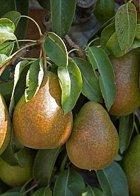
  • Winter Nellis pear trees, 2269, 236983, Winter Nellis pear trees Winter Nellis pear trees
    A small pear but has a lovely flavour and renowned for it's storing qualities. A small tree of little vigour but surprisingly tough.
    A Belgian variety first known in the UK in 1818. It is only a small fruit but has a lovely flavour and stores very late. A small growing tree but frost hardy and reliable. Winter Nellis Pear Tree – season Keep on the tree as late as possible, late October to early November, may then be used from storage well into January/February. Winter Nellis Pear – appearance Small, somewhat rounded dull brown russet over green. Not a looker. Flavour Superb; tender, lightly perfumed and aromatic with an intense aroma and very juicy flesh. Winter Nellis Pear – Pollination This variety belongs in ‘C’ pollination group & will pollinate readily with varieties in the same or adjacent groups. Here are some suggested varieties: Beth Beurre Hardy Concorde Invincible Improved Fertility Tree sizes for Winter Nellis Pear trees: Quince C rootstock Is the most compact stock generally used for Pears. It can be maintained at an easily harvested 180-260cm’s and can be planted around 150-180cm’s apart. Quince ‘C’ is easily the most satisfactory rootstock for garden use and can even be incorporated into a large – say 24” – container and kept on the patio. Such trees may be restricted below the 180cm mark. Quince A rootstock Is more vigorous than Quince ‘C’ and is ideal for orchard planting, grassy area’s and the larger border. It will grow to 250-350cm’s and should be planted not less than 250cm’s apart. A heavy cropping tree suitable for most good soils and situations.
    Winter Nellis pear trees Winter Nellis Pear Trees for sale A Belgian variety first known in the UK in 1818. It is only a small fruit but has a lovely flavour and stores very late. A small growing tree but frost hardy and reliable. Winter Nellis Pear Tree – season Keep on the tree as late as possible, late October to early November, may then be used from storage well into January/February. Winter Nellis Pear – appearance Small, somewhat rounded dull brown russet over green. Not a looker. Flavour Superb; tender, lightly perfumed and aromatic with an intense aroma and very juicy flesh. Winter Nellis Pear – Pollination This variety belongs in ‘C’ pollination group & will pollinate readily with varieties in the same or adjacent groups. Here are some suggested varieties: Beth Beurre Hardy Concorde Invincible Improved Fertility Tree sizes for Winter Nellis Pear trees: Quince C rootstock Is the most compact stock generally used for Pears. It can be maintained at an easily harvested 180-260cm’s and can be planted around 150-180cm’s apart. Quince ‘C’ is easily the most satisfactory rootstock for garden use and can even be incorporated into a large – say 24” – container and kept on the patio. Such trees may be restricted below the 180cm mark. Quince A rootstock Is more vigorous than Quince ‘C’ and is ideal for orchard planting, grassy area’s and the larger border. It will grow to 250-350cm’s and should be planted not less than 250cm’s apart. A heavy cropping tree suitable for most good soils and situations.
    Pears for frosty areas
  • Williams bon Chretien Pear trees, 2259, 236978, Williams bon Chretien Pear trees Williams bon Chretien Pear trees
    Hardly needing introduction as the most universally grown pear. The fruits ripen to a pale yellow, from late September and have a perfect aromatic, perfumed sweet and honeyed flavour that always captivates. Does well in most areas.
    Often credited as being the most universally grown pear. A tree of medium growth, freely cropping & hardy. Is partly self fertile but does benefit from a pollinator. Amazingly, despite the name, this is actually an English raised Pear which has it’s origins in Berkshire in the 1800’s. Williams Bon Chretien Pear Tree – season Mid-late September harvest as soon as ripe straight from the tree. Williams bon Chretien Pear – appearance Medium sized, classic Pear shape, pale green-yellow with only the very occasional pink flush or stripe. Flavour Unmistakeably scented with a wonderful aroma and the perfect balanace of sweetness and acidity. At it’s best unbeatable. Also suits cooking applications such as flans and tarts. Williams Bon Chretien Pear – Pollination This variety belongs in ‘C’ pollination group & will pollinate readily with varieties in the same or adjacent groups. Here are some suggested varieties: Beth Beurre Hardy Concorde Invincible Improved Fertility Tree sizes for Williams Bon Chretien Pear trees: Quince C rootstock Is the most compact stock generally used for Pears. It can be maintained at an easily harvested 180-260cm’s and can be planted around 150-180cm’s apart. Quince ‘C’ is easily the most satisfactory rootstock for garden use and can even be incorporated into a large – say 24” – container and kept on the patio. Such trees may be restricted below the 180cm mark. Quince A rootstock Is more vigorous than Quince ‘C’ and is ideal for orchard planting, grassy area’s and the larger border. It will grow to 250-350cm’s and should be planted not less than 250cm’s apart. A heavy cropping tree suitable for most good soils and situations.
    Williams bon Chretien Pear trees Williams Bon Chretien Pear Trees for sale Often credited as being the most universally grown pear. A tree of medium growth, freely cropping & hardy. Is partly self fertile but does benefit from a pollinator. Amazingly, despite the name, this is actually an English raised Pear which has it’s origins in Berkshire in the 1800’s. Williams Bon Chretien Pear Tree – season Mid-late September harvest as soon as ripe straight from the tree. Williams bon Chretien Pear – appearance Medium sized, classic Pear shape, pale green-yellow with only the very occasional pink flush or stripe. Flavour Unmistakeably scented with a wonderful aroma and the perfect balanace of sweetness and acidity. At it’s best unbeatable. Also suits cooking applications such as flans and tarts. Williams Bon Chretien Pear – Pollination This variety belongs in ‘C’ pollination group & will pollinate readily with varieties in the same or adjacent groups. Here are some suggested varieties: Beth Beurre Hardy Concorde Invincible Improved Fertility Tree sizes for Williams Bon Chretien Pear trees: Quince C rootstock Is the most compact stock generally used for Pears. It can be maintained at an easily harvested 180-260cm’s and can be planted around 150-180cm’s apart. Quince ‘C’ is easily the most satisfactory rootstock for garden use and can even be incorporated into a large – say 24” – container and kept on the patio. Such trees may be restricted below the 180cm mark. Quince A rootstock Is more vigorous than Quince ‘C’ and is ideal for orchard planting, grassy area’s and the larger border. It will grow to 250-350cm’s and should be planted not less than 250cm’s apart. A heavy cropping tree suitable for most good soils and situations.
    Pears for frosty areas
  • Louise Bonne de Jersey pear trees, 2242, 236959, Louise Bonne de Jersey pear trees Louise Bonne de Jersey pear trees
    Nicely coloured and nicely flavouired fruits ripening during the second-early season. Makes a tidy, well foliated tree with nice blossom.
    Second early in season, this popular choice makes an attractive, upright, well foliated tree with fruits nicely coloured. Louise Bonne de Jersey Pear Tree – season Mid September to early-mid October. Wait until the fruits have coloured well and will part from the tree easily before picking. Louise Bonne de Jersey Pear – appearance Traditional Pear shape, green/yellow smooth skinned and shinyl, the sunny side has a bold vermillion flush. Flavour When eaten at the correct stage is one of the finest Pears of all, tender and divinely sweet & juicy.. Louise Bonne de Jersey Pear – Pollination This variety belongs to the ‘A’ pollination group so will partner well with others in the same or adjacent groups. Here are some suggested varieties: Concorde Invincible Packhams Triumph Beurre Hardy Durondeau Tree sizes for Louise Bonne de Jersey Pear trees: Quince C rootstock Is the most compact stock generally used for Pears. It can be maintained at an easily harvested 180-260cm’s and can be planted around 150-180cm’s apart. Quince ‘C’ is easily the most satisfactory rootstock for garden use and can even be incorporated into a large – say 24” – container and kept on the patio. Such trees may be restricted below the 180cm mark. Quince A rootstock Is more vigorous than Quince ‘C’ and is ideal for orchard planting, grassy area’s and the larger border. It will grow to 250-350cm’s and should be planted not less than 250cm’s apart. A heavy cropping tree suitable for most good soils and situations.
    Louise Bonne de Jersey pear trees Louise Bonne de Jersey Pear Trees for sale Second early in season, this popular choice makes an attractive, upright, well foliated tree with fruits nicely coloured. Louise Bonne de Jersey Pear Tree – season Mid September to early-mid October. Wait until the fruits have coloured well and will part from the tree easily before picking. Louise Bonne de Jersey Pear – appearance Traditional Pear shape, green/yellow smooth skinned and shinyl, the sunny side has a bold vermillion flush. Flavour When eaten at the correct stage is one of the finest Pears of all, tender and divinely sweet & juicy.. Louise Bonne de Jersey Pear – Pollination This variety belongs to the ‘A’ pollination group so will partner well with others in the same or adjacent groups. Here are some suggested varieties: Concorde Invincible Packhams Triumph Beurre Hardy Durondeau Tree sizes for Louise Bonne de Jersey Pear trees: Quince C rootstock Is the most compact stock generally used for Pears. It can be maintained at an easily harvested 180-260cm’s and can be planted around 150-180cm’s apart. Quince ‘C’ is easily the most satisfactory rootstock for garden use and can even be incorporated into a large – say 24” – container and kept on the patio. Such trees may be restricted below the 180cm mark. Quince A rootstock Is more vigorous than Quince ‘C’ and is ideal for orchard planting, grassy area’s and the larger border. It will grow to 250-350cm’s and should be planted not less than 250cm’s apart. A heavy cropping tree suitable for most good soils and situations.
    Pears for frosty areas
  • Beurre Hardy pear tree, 2087, 236872, Beurre Hardy pear tree Beurre Hardy pear tree
    Beurre Hardy pear tree
    This is quite an old variety, originating in France in 1820 or 1830. It is a remkably good grower, vigorous and productive and, briefly, popular commercially. Hardy and easy to grow. Beurre Hardy Pear Tree – season Early-mid October, for use throughout that month Beurre Hardy Pear – appearance Medium to large, blocky, dull olive greenish with a faint yellow flush and occassional russet patches. Flesh is cream. Flavour Very good; yielding cream flesh with a tinge of green, supremely juicy and buttery in texture. Beurre Hardy Pear – Pollination Beurre Hardy is in ‘B’ pollination group so partner with any varieties in the same or adjacent groups. Here are some suggested varieties: Durondeau Williams Bon Chretien Conference Concorde Invincible Tree sizes for Beurre Hardy Pear trees: Quince C rootstock Is the most compact stock generally used for Pears. It can be maintained at an easily harvested 180-260cm’s and can be planted around 150-180cm’s apart. Quince ‘C’ is easily the most satisfactory rootstock for garden use and can even be incorporated into a large – say 24” – container and kept on the patio. Such trees may be restricted below the 180cm mark. Quince A rootstock Is more vigorous than Quince ‘C’ and is ideal for orchard planting, grassy area’s and the larger border. It will grow to 250-350cm’s and should be planted not less than 250cm’s apart. A heavy cropping tree suitable for most good soils and situations.
    Beurre Hardy pear tree Beurre Hardy Pear Trees for sale This is quite an old variety, originating in France in 1820 or 1830. It is a remkably good grower, vigorous and productive and, briefly, popular commercially. Hardy and easy to grow. Beurre Hardy Pear Tree – season Early-mid October, for use throughout that month Beurre Hardy Pear – appearance Medium to large, blocky, dull olive greenish with a faint yellow flush and occassional russet patches. Flesh is cream. Flavour Very good; yielding cream flesh with a tinge of green, supremely juicy and buttery in texture. Beurre Hardy Pear – Pollination Beurre Hardy is in ‘B’ pollination group so partner with any varieties in the same or adjacent groups. Here are some suggested varieties: Durondeau Williams Bon Chretien Conference Concorde Invincible Tree sizes for Beurre Hardy Pear trees: Quince C rootstock Is the most compact stock generally used for Pears. It can be maintained at an easily harvested 180-260cm’s and can be planted around 150-180cm’s apart. Quince ‘C’ is easily the most satisfactory rootstock for garden use and can even be incorporated into a large – say 24” – container and kept on the patio. Such trees may be restricted below the 180cm mark. Quince A rootstock Is more vigorous than Quince ‘C’ and is ideal for orchard planting, grassy area’s and the larger border. It will grow to 250-350cm’s and should be planted not less than 250cm’s apart. A heavy cropping tree suitable for most good soils and situations.
    Pears for frosty areas
  • Invincible pear tree, 2045, 236943, Invincible pear tree Invincible pear tree
    A magnificent new variety that is aptly named for it is suitable for all area's, even the North. The flowers appear usually in two flushes, thus helping them excape frost damage and the tree is very hardy. Whats more the flowers are self fertile so you can grow this ideal new variety on it's own
    Aptly named, for this French raised newcomer produces blossoms usually in two separate flushes, meaning that during frosty seasons it is more likely to yield where other Pears may fail. A very heavy cropper and a good grower suitable for all areas. A highly recommended new Pear variety. Invincible Pear Tree – season This variety has a very long season and can be picked from early-mid September to early-mid October, and may then be enjoyed from storage until February or later. Invincible Pear – appearance A long deep emerald green pear, yellowing only slightly when fully ripe. Flavour Has a good flavour, crisply juicy and sweet with little or no acidity, but make sure the fruits are properly ripe before eating. Invincible Pear – Pollination Invincible is fully self fertile so does well on it’s own with no need for pollinating partners. It is also a great pollinator for other varieties in the A,B or C pollination groups. Tree sizes for Invincible Pear trees: Quince C rootstock Is the most compact stock generally used for Pears. It can be maintained at an easily harvested 180-260cm’s and can be planted around 150-180cm’s apart. Quince ‘C’ is easily the most satisfactory rootstock for garden use and can even be incorporated into a large – say 24” – container and kept on the patio. Such trees may be restricted below the 180cm mark. Quince A rootstock Is more vigorous than Quince ‘C’ and is ideal for orchard planting, grassy area’s and the larger border. It will grow to 250-350cm’s and should be planted not less than 250cm’s apart. A heavy cropping tree suitable for most good soils and situations.
    Invincible pear tree Invincible Pear Trees for sale Aptly named, for this French raised newcomer produces blossoms usually in two separate flushes, meaning that during frosty seasons it is more likely to yield where other Pears may fail. A very heavy cropper and a good grower suitable for all areas. A highly recommended new Pear variety. Invincible Pear Tree – season This variety has a very long season and can be picked from early-mid September to early-mid October, and may then be enjoyed from storage until February or later. Invincible Pear – appearance A long deep emerald green pear, yellowing only slightly when fully ripe. Flavour Has a good flavour, crisply juicy and sweet with little or no acidity, but make sure the fruits are properly ripe before eating. Invincible Pear – Pollination Invincible is fully self fertile so does well on it’s own with no need for pollinating partners. It is also a great pollinator for other varieties in the A,B or C pollination groups. Tree sizes for Invincible Pear trees: Quince C rootstock Is the most compact stock generally used for Pears. It can be maintained at an easily harvested 180-260cm’s and can be planted around 150-180cm’s apart. Quince ‘C’ is easily the most satisfactory rootstock for garden use and can even be incorporated into a large – say 24” – container and kept on the patio. Such trees may be restricted below the 180cm mark. Quince A rootstock Is more vigorous than Quince ‘C’ and is ideal for orchard planting, grassy area’s and the larger border. It will grow to 250-350cm’s and should be planted not less than 250cm’s apart. A heavy cropping tree suitable for most good soils and situations.
    Pears for frosty areas
  • Improved Fertility Pear tree, 2038, 236939, Improved Fertility Pear tree Improved Fertility Pear tree
    A valuable addition to the range of self pollinating Pear trees that can be grown alone; Improved Fertility ripens for eating mid September to mid November.
    Raised by the famous Seabrooks Nursery in Essex, a popular garden Pear tree because it is self fertile so will produce good fruits on it’s own. Has good disease resistance and is capable of heavy crops, grows well everywhere. Although ideally suited to dessert, it can also be cooked and bottled. Improved Fertility Pear Tree – season Harvest from mid September for use for about a month. Improved Fertility Pear – appearance Fairly small fruits of green-gold densely covered in russet. Flavour Sweet, mild and enjoyable! Improved Fertility Pear – Pollination Improved Fertility is self fertile so does not need other trees for it to fruit well. It is itself in grou ‘C’ so can be used to help varieties in the same or adjacent groups to crop. Tree sizes for Improved Fertility Pear trees: Quince C rootstock Is the most compact stock generally used for Pears. It can be maintained at an easily harvested 180-260cm’s and can be planted around 150-180cm’s apart. Quince ‘C’ is easily the most satisfactory rootstock for garden use and can even be incorporated into a large – say 24” – container and kept on the patio. Such trees may be restricted below the 180cm mark. Quince A rootstock Is more vigorous than Quince ‘C’ and is ideal for orchard planting, grassy area’s and the larger border. It will grow to 250-350cm’s and should be planted not less than 250cm’s apart. A heavy cropping tree suitable for most good soils and situations.
    Improved Fertility Pear tree Improved Fertility Pear Trees Raised by the famous Seabrooks Nursery in Essex, a popular garden Pear tree because it is self fertile so will produce good fruits on it’s own. Has good disease resistance and is capable of heavy crops, grows well everywhere. Although ideally suited to dessert, it can also be cooked and bottled. Improved Fertility Pear Tree – season Harvest from mid September for use for about a month. Improved Fertility Pear – appearance Fairly small fruits of green-gold densely covered in russet. Flavour Sweet, mild and enjoyable! Improved Fertility Pear – Pollination Improved Fertility is self fertile so does not need other trees for it to fruit well. It is itself in grou ‘C’ so can be used to help varieties in the same or adjacent groups to crop. Tree sizes for Improved Fertility Pear trees: Quince C rootstock Is the most compact stock generally used for Pears. It can be maintained at an easily harvested 180-260cm’s and can be planted around 150-180cm’s apart. Quince ‘C’ is easily the most satisfactory rootstock for garden use and can even be incorporated into a large – say 24” – container and kept on the patio. Such trees may be restricted below the 180cm mark. Quince A rootstock Is more vigorous than Quince ‘C’ and is ideal for orchard planting, grassy area’s and the larger border. It will grow to 250-350cm’s and should be planted not less than 250cm’s apart. A heavy cropping tree suitable for most good soils and situations.
    Self fertile Pear Trees
  • Durondeau Pear trees, 2031, 236931, Durondeau Pear trees Durondeau Pear trees
    A popular choice for it's self fertile blossoms and rather compact habit. Can also double as an ornamental tree as it has excellent red/orange autumn leaf colour!
    A variety popular as one of the small group of self fertile or partially self fertile Pear trees for the garden. However it could not be termed as the best for the purpose; although some fruits will be borne on lone trees the yield will benefit from the presence of other trees. Plus the growth of Durondeau is fairly weak and is best suited to good soils. That said, Durondeau certainly has it’s attributes, it is a beautiful Pear in fruit, the autumn foliage colour is a splendid dark red – most attractive – and it has a very good flavour. Druondeau was Belgium raised, in 1811. Durondeau Pear Tree – season Suitable for use through October and November. Durondeau Pear – appearance A large Pear usually covered by a fine golden russet, often blended with a rusty red cheek. Flavour Very good, sweet, tender and juicy, just a little underlying acidity gives a well rounded flavour. Durondeau Pear – Pollination Durondeau is partially self fertile so does need any other varieties to pollinate. It is itself in group ‘B’ so can be used to pollinate any varieties in the same or radjacent groups & these varieties can also be used to maximise the crop of Durondeau. Tree sizes for Durondeau Pear trees: Quince C rootstock Is the most compact stock generally used for Pears. It can be maintained at an easily harvested 180-260cm’s and can be planted around 150-180cm’s apart. Quince ‘C’ is easily the most satisfactory rootstock for garden use and can even be incorporated into a large – say 24” – container and kept on the patio. Such trees may be restricted below the 180cm mark. Quince A rootstock Is more vigorous than Quince ‘C’ and is ideal for orchard planting, grassy area’s and the larger border. It will grow to 250-350cm’s and should be planted not less than 250cm’s apart. A heavy cropping tree suitable for most good soils and situations.
    Durondeau Pear trees Durondeau Pear Trees for sale A variety popular as one of the small group of self fertile or partially self fertile Pear trees for the garden. However it could not be termed as the best for the purpose; although some fruits will be borne on lone trees the yield will benefit from the presence of other trees. Plus the growth of Durondeau is fairly weak and is best suited to good soils. That said, Durondeau certainly has it’s attributes, it is a beautiful Pear in fruit, the autumn foliage colour is a splendid dark red – most attractive – and it has a very good flavour. Druondeau was Belgium raised, in 1811. Durondeau Pear Tree – season Suitable for use through October and November. Durondeau Pear – appearance A large Pear usually covered by a fine golden russet, often blended with a rusty red cheek. Flavour Very good, sweet, tender and juicy, just a little underlying acidity gives a well rounded flavour. Durondeau Pear – Pollination Durondeau is partially self fertile so does need any other varieties to pollinate. It is itself in group ‘B’ so can be used to pollinate any varieties in the same or radjacent groups & these varieties can also be used to maximise the crop of Durondeau. Tree sizes for Durondeau Pear trees: Quince C rootstock Is the most compact stock generally used for Pears. It can be maintained at an easily harvested 180-260cm’s and can be planted around 150-180cm’s apart. Quince ‘C’ is easily the most satisfactory rootstock for garden use and can even be incorporated into a large – say 24” – container and kept on the patio. Such trees may be restricted below the 180cm mark. Quince A rootstock Is more vigorous than Quince ‘C’ and is ideal for orchard planting, grassy area’s and the larger border. It will grow to 250-350cm’s and should be planted not less than 250cm’s apart. A heavy cropping tree suitable for most good soils and situations.
    Self fertile Pear Trees
  • Conference Pear trees, 2024, 236882, Conference Pear trees Conference Pear trees
    The standard bearer in English Pears, hardly needs introduction and is the one variety most people 'know'. This variety is self fertile so ideal for the one-tree garden, and also a good pollinator for other vartieties
    The most famous name in Pears by far, Conference was raised in Hertfordshire and introduced in 1885. It is an unmistakeable Pear with it’s elegant, long shapely outline. Generally a good yielder and trouble free garden variety. Conference Pear Tree – season Can be harvested early October and used from store through until the New Year. Conference Pear – appearance Long, narrow olive green becoming slightly yellowish when ripe. Often hangs in bunches. Flavour Crisp and juicy flesh becomes softer, more mellow with storage. Flavour is sweet and mild at all times. Conference Pear – Pollination Conference is self fertile so does not need any other varieties to produce good crops. It is itself a good pollinator for other varieties in A,B or C groups. Tree sizes for Conference Pear trees: Quince C rootstock Is the most compact stock generally used for Pears. It can be maintained at an easily harvested 180-260cm’s and can be planted around 150-180cm’s apart. Quince ‘C’ is easily the most satisfactory rootstock for garden use and can even be incorporated into a large – say 24” – container and kept on the patio. Such trees may be restricted below the 180cm mark. Quince A rootstock Is more vigorous than Quince ‘C’ and is ideal for orchard planting, grassy area’s and the larger border. It will grow to 250-350cm’s and should be planted not less than 250cm’s apart. A heavy cropping tree suitable for most good soils and situations.
    Conference Pear trees Conference Pear Trees for sale The most famous name in Pears by far, Conference was raised in Hertfordshire and introduced in 1885. It is an unmistakeable Pear with it’s elegant, long shapely outline. Generally a good yielder and trouble free garden variety. Conference Pear Tree – season Can be harvested early October and used from store through until the New Year. Conference Pear – appearance Long, narrow olive green becoming slightly yellowish when ripe. Often hangs in bunches. Flavour Crisp and juicy flesh becomes softer, more mellow with storage. Flavour is sweet and mild at all times. Conference Pear – Pollination Conference is self fertile so does not need any other varieties to produce good crops. It is itself a good pollinator for other varieties in A,B or C groups. Tree sizes for Conference Pear trees: Quince C rootstock Is the most compact stock generally used for Pears. It can be maintained at an easily harvested 180-260cm’s and can be planted around 150-180cm’s apart. Quince ‘C’ is easily the most satisfactory rootstock for garden use and can even be incorporated into a large – say 24” – container and kept on the patio. Such trees may be restricted below the 180cm mark. Quince A rootstock Is more vigorous than Quince ‘C’ and is ideal for orchard planting, grassy area’s and the larger border. It will grow to 250-350cm’s and should be planted not less than 250cm’s apart. A heavy cropping tree suitable for most good soils and situations.
    Pears for frosty areas
  • 10 Best Fruit Trees to Grow in the UK 10 Best Fruit Trees to Grow in the UK
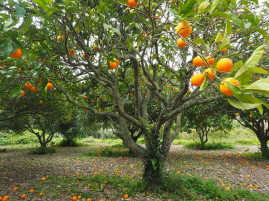
    There's nothing like fruit trees to add beauty and value to a residential property. With space to plant several, you're wondering what would be most likely to flourish in your back garden. The fact is there are a number of UK fruit trees that are known to grow well. Consider the following suggestions, and how they fit in with your likes and dislikes.
  • Onward dwarf Pear tree, 2074, 236976, Onward dwarf Pear tree Onward dwarf Pear tree
    Ideal as a small tree on Quince C stock, Onward bears medium to large fruits with an intensely flavoursome, juicy flesh. Very good quality fruits, a superb variety.
    This tree is grown on dwarf Quince C stock which is compact and makes the smallest Pear tree of all. Trees can be maintained at around 180cm’s in height with a similar spread, perhaps a little less if contained in a 20” pot. The trees are easy to manage and easy to harvest! Onward was trialled at The National Fruit Trials [where it performed very strongly] notes this English raised Pear as a cross between Laxton Superb [Pear, not apple] and Doyenne de Comice. Onward is an excellent newcomer with some impressive qualities. Onward Quince C Pear Tree – season Mid-late September and into October.. Onward Pear – appearance Medium to large in size, pale green-yellow, some russet patches and an attractive pinkish red blush on the sunny side. Very good uniformity and quality. Flavour Similar to Doyenne du Comice, rich, melting and supremely juicy. Onward Pear – Pollination This variety belongs in ‘C’ pollination group & will pollinate readily with varieties in the same or adjacent groups. Here are some suggested varieties: Beth Beurre Hardy Concorde Invincible Improved Fertility Williams bon Chretien
    Onward dwarf Pear tree Onward dwarf Pear Trees This tree is grown on dwarf Quince C stock which is compact and makes the smallest Pear tree of all. Trees can be maintained at around 180cm’s in height with a similar spread, perhaps a little less if contained in a 20” pot. The trees are easy to manage and easy to harvest! Onward was trialled at The National Fruit Trials [where it performed very strongly] notes this English raised Pear as a cross between Laxton Superb [Pear, not apple] and Doyenne de Comice. Onward is an excellent newcomer with some impressive qualities. Onward Quince C Pear Tree – season Mid-late September and into October.. Onward Pear – appearance Medium to large in size, pale green-yellow, some russet patches and an attractive pinkish red blush on the sunny side. Very good uniformity and quality. Flavour Similar to Doyenne du Comice, rich, melting and supremely juicy. Onward Pear – Pollination This variety belongs in ‘C’ pollination group & will pollinate readily with varieties in the same or adjacent groups. Here are some suggested varieties: Beth Beurre Hardy Concorde Invincible Improved Fertility Williams bon Chretien
    Dwarf Pear Trees
  • Concorde Pear cordon, 2330, 236879, Concorde Pear cordon Concorde Pear cordon
    A 'new' garden Pear that is already the most popular for planting everywhere. Concorde is frost resistant, self fertile and a reliable cropper. Season Spetember.
    Cordon Pear trees are a good choice for restricted areas and a fence or wall. They can be grown at a 45degree angle, or upright. The rootstock we use for our cordon Concorde is Quince C which is the best stock for cordon trees. Plant 60-80cm’s apart. Concorde is one of the most important Pear tree introductions for decades and is already one of the most popular varieties for the garden, or orchard and suits all growing applicactions. Concorde tends to make quite a compact tree, it is easy to manage, frost hardy and a reliable setter of good quality fruits. One of the best varieties for container growing on Quince ‘C’ stock. Concorde cordon Pear Tree – season Can be harvested for use late September-November. Concorde Pear – appearance Medium sized elongated and the skin mostly covered in a pale golden russet over pale green. Flavour Mild and sweet, sem-crisp juicy texture.. Concorde Pear – Pollination Concorde is self fertile so does need any other varieties to pollinate. It is itself in group ‘B’ so can be used to pollinate any varieties in the same or adjacent groups.
    Concorde Pear cordon Concorde cordon Pear Trees for sale Cordon Pear trees are a good choice for restricted areas and a fence or wall. They can be grown at a 45degree angle, or upright. The rootstock we use for our cordon Concorde is Quince C which is the best stock for cordon trees. Plant 60-80cm’s apart. Concorde is one of the most important Pear tree introductions for decades and is already one of the most popular varieties for the garden, or orchard and suits all growing applicactions. Concorde tends to make quite a compact tree, it is easy to manage, frost hardy and a reliable setter of good quality fruits. One of the best varieties for container growing on Quince ‘C’ stock. Concorde cordon Pear Tree – season Can be harvested for use late September-November. Concorde Pear – appearance Medium sized elongated and the skin mostly covered in a pale golden russet over pale green. Flavour Mild and sweet, sem-crisp juicy texture.. Concorde Pear – Pollination Concorde is self fertile so does need any other varieties to pollinate. It is itself in group ‘B’ so can be used to pollinate any varieties in the same or adjacent groups.
    Cordon Pear Trees
  • Concorde Pear stepover, 2312, 236881, Concorde Pear stepover Concorde Pear stepover
    A 'new' garden Pear that is already the most popular for planting everywhere. Concorde is frost resistant, self fertile and a reliable cropper. Season Spetember to November.
    Stepover trees are used primarily for edging a border or pathway or to divide the kitchen/vegetable garden. These very tiny trees are just 18” in height with two side laterals from the main stem forming a capital ‘T’ shape. The stepover tree is an ormamental addition to your garden and these trees are grown on the Quince C rootstock. Plant 120-150cm’s apart. Concorde is one of the most important Pear tree introductions for decades and is already one of the most popular varieties for the garden, or orchard and suits all growing applicactions. Concorde tends to make quite a compact tree, it is easy to manage, frost hardy and a reliable setter of good quality fruits. One of the best varieties for container growing on Quince ‘C’ stock. Concorde cordon Pear Tree – season Can be harvested for use late September-November. Concorde Pear – appearance Medium sized elongated and the skin mostly covered in a pale golden russet over pale green. Flavour Mild and sweet, sem-crisp juicy texture.. Concorde Pear – Pollination Concorde is self fertile so does need any other varieties to pollinate. It is itself in group ‘B’ so can be used to pollinate any varieties in the same or adjacent groups.
    Concorde Pear stepover Concorde cordon Pear Trees for sale Stepover trees are used primarily for edging a border or pathway or to divide the kitchen/vegetable garden. These very tiny trees are just 18” in height with two side laterals from the main stem forming a capital ‘T’ shape. The stepover tree is an ormamental addition to your garden and these trees are grown on the Quince C rootstock. Plant 120-150cm’s apart. Concorde is one of the most important Pear tree introductions for decades and is already one of the most popular varieties for the garden, or orchard and suits all growing applicactions. Concorde tends to make quite a compact tree, it is easy to manage, frost hardy and a reliable setter of good quality fruits. One of the best varieties for container growing on Quince ‘C’ stock. Concorde cordon Pear Tree – season Can be harvested for use late September-November. Concorde Pear – appearance Medium sized elongated and the skin mostly covered in a pale golden russet over pale green. Flavour Mild and sweet, sem-crisp juicy texture.. Concorde Pear – Pollination Concorde is self fertile so does need any other varieties to pollinate. It is itself in group ‘B’ so can be used to pollinate any varieties in the same or adjacent groups.
    Stepover Pear Trees
  • How to Choose Fruit Trees for Your Home Garden How to Choose Fruit Trees for Your Home Garden
    How to Choose Fruit Trees for Your Home Garden
  • 10 Best Fruit Trees To Grow - Tips For Growing Fruit Trees 10 Best Fruit Trees To Grow - Tips For Growing Fruit Trees
    To help you get started, consider these ten options for fruit trees. You'll find that they are highly likely to be great options for your property, and may even inspire some other ideas of how you can make the space even more inviting and functional.
  • Beth Pear cordon, 2334, 236887, Beth Pear cordon Beth Pear cordon
    he attractive pale yellow fruits ripen from late August and have an excellent suoer-sweet flavour. One of the earliest pears to ripen.
    Cordon Pear trees are a good choice for restricted areas and a fence or wall. They can be grown at a 45degree angle, or upright. The rootstock we use for our cordon Beth is Quince C which is the best stock for cordon trees. Plant 60-80cm’s apart. Beth is an excellent early variety from East Malling [Kent] This dessert Pear has exceptional eating qualities and is also a heavy cropper. A neat and fairly compact grower. Beth cordon Pear Tree – season Eating early September through to early October. Beth Pear – appearance A medium sized fruit, classical bottom-heavy pear shape, ripening to a beautiful primrose yellow and filled with juice. Flavour Intensely sweet, develops a wonderful scent, full of juice and very tender texture. Beth Pear – Pollination Beth is in ‘B’ pollination group so partner with any varieties in the same or adjacent groups. Here are some suggested varieties: Williams bon Chretien Moonlgow Invincible Gorham Improved Fertility
    Beth Pear cordon Bethcordon Pear Trees for sale Cordon Pear trees are a good choice for restricted areas and a fence or wall. They can be grown at a 45degree angle, or upright. The rootstock we use for our cordon Beth is Quince C which is the best stock for cordon trees. Plant 60-80cm’s apart. Beth is an excellent early variety from East Malling [Kent] This dessert Pear has exceptional eating qualities and is also a heavy cropper. A neat and fairly compact grower. Beth cordon Pear Tree – season Eating early September through to early October. Beth Pear – appearance A medium sized fruit, classical bottom-heavy pear shape, ripening to a beautiful primrose yellow and filled with juice. Flavour Intensely sweet, develops a wonderful scent, full of juice and very tender texture. Beth Pear – Pollination Beth is in ‘B’ pollination group so partner with any varieties in the same or adjacent groups. Here are some suggested varieties: Williams bon Chretien Moonlgow Invincible Gorham Improved Fertility
    Cordon Pear Trees
  • Blue Tit cordon Plum, 2164, 237211, Blue Tit cordon Plum Blue Tit cordon Plum
    Ripening early August, this beautiful dusky blue Plum has a fine yellow flesh that is suitable for dessert use. An easy to grow tree.
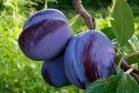
    Cordon Plum trees are a good choice for restricted areas and a fence or wall. They can be grown at a 45degree angle, or upright. The rootstock we use for our cordon is Quince C which is the best stock for cordon trees. Plant 60-80cm’s apart. Blue Tit is a relatively recent introduction and already popular as a garden tree. Blue Tit is a quality dessert Plum. Blue Tit plum tree – season This variety ripens fairly early, from the first week in August. Blue Tit Plum – appearance & flavour Medium sized to large deep blue-purple, inside golden yellow and juicy. Fine, sweet flavour. Blue Tit Plum – pollination Self fertile so requires no pollinator and is itself a good pollinator for other varieties.
    Blue Tit cordon Plum Blue Tit Plum trees for sale Cordon Plum trees are a good choice for restricted areas and a fence or wall. They can be grown at a 45degree angle, or upright. The rootstock we use for our cordon is Quince C which is the best stock for cordon trees. Plant 60-80cm’s apart. Blue Tit is a relatively recent introduction and already popular as a garden tree. Blue Tit is a quality dessert Plum. Blue Tit plum tree – season This variety ripens fairly early, from the first week in August. Blue Tit Plum – appearance & flavour Medium sized to large deep blue-purple, inside golden yellow and juicy. Fine, sweet flavour. Blue Tit Plum – pollination Self fertile so requires no pollinator and is itself a good pollinator for other varieties.
    Plum cordons
  • Winter Nellis cordon pear, 2360, 236985, Winter Nellis cordon pear Winter Nellis cordon pear
    Winter Nellis is asmall but durable tree and the deliciously flavoured fruits have excellent storing properties, often well into the Spring.
    Cordon Pear trees are a good choice for restricted areas and a fence or wall. They can be grown at a 45degree angle, or upright. The rootstock we use for our cordon Winter Nellis is Quince C which is the best stock for cordon trees. Plant 60-80cm’s apart. Winter Nellis is a Belgian variety first known in the UK in 1818. It is only a small fruit but has a lovely flavour and stores very late. A small growing tree but frost hardy and reliable. Winter Nellis Pear cordon pear Tree – season Keep on the tree as late as possible, late October to early November, may then be used from storage well into January/February. Winter Nellis Pear – appearance Small, somewhat rounded dull brown russet over green. Not a looker. Flavour Superb; tender, lightly perfumed and aromatic with an intense aroma and very juicy flesh. Winter Nellis Pear – Pollination This variety belongs in ‘C’ pollination group & will pollinate readily with varieties in the same or adjacent groups. Here are some suggested varieties: Beth Beurre Hardy Concorde Invincible Improved Fertility
    Winter Nellis cordon pear Winter Nellis Pear cordon Pear Trees Cordon Pear trees are a good choice for restricted areas and a fence or wall. They can be grown at a 45degree angle, or upright. The rootstock we use for our cordon Winter Nellis is Quince C which is the best stock for cordon trees. Plant 60-80cm’s apart. Winter Nellis is a Belgian variety first known in the UK in 1818. It is only a small fruit but has a lovely flavour and stores very late. A small growing tree but frost hardy and reliable. Winter Nellis Pear cordon pear Tree – season Keep on the tree as late as possible, late October to early November, may then be used from storage well into January/February. Winter Nellis Pear – appearance Small, somewhat rounded dull brown russet over green. Not a looker. Flavour Superb; tender, lightly perfumed and aromatic with an intense aroma and very juicy flesh. Winter Nellis Pear – Pollination This variety belongs in ‘C’ pollination group & will pollinate readily with varieties in the same or adjacent groups. Here are some suggested varieties: Beth Beurre Hardy Concorde Invincible Improved Fertility
    Cordon Pear Trees

fruit-trees.com
01366386858