Search results

  • Beurre Hardy fan espalier, 2277, 236874, Beurre Hardy fan espalier Beurre Hardy fan espalier
    Beurre Hardy fan espalier

    Beurre Hardy fan espalier

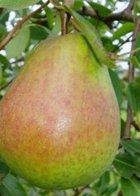
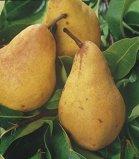
    Beurre Hardy fan espalier Pear Trees Espalier or fan Pear trees are used against a wall; you will need not less than 180 x 180cm’s for a fan or espalier tree. Please note we do not supply ready trained trees; this Beurre Hardyis a young tree suitable for training yourself, in situ. Such trees usually settle to cropping within 2 or 3 seasons. Beurre Hardy is quite an old variety, originating in France in 1820 or 1830. It is a remkably good grower, vigorous and productive and, briefly, popular commercially. Hardy and easy to grow. Beurre Hardy fan espalier Pear Tree – season Early-mid October, for use throughout that month Beurre Hardy Pear – appearance Medium to large, blocky, dull olive greenish with a faint yellow flush and occassional russet patches. Flesh is cream. Flavour Very good; yielding cream flesh with a tinge of green, supremely juicy and buttery in texture. Beurre Hardy Pear – Pollination Beurre Hardy is in ‘B’ pollination group so partner with any varieties in the same or adjacent groups. Here are some suggested varieties: Durondeau Williams Bon Chretien Conference Concorde Invincible
    Beurre Hardy fan espalier Beurre Hardy fan espalier Pear Trees Espalier or fan Pear trees are used against a wall; you will need not less than 180 x 180cm’s for a fan or espalier tree. Please note we do not supply ready trained trees; this Beurre Hardyis a young tree suitable for training yourself, in situ. Such trees usually settle to cropping within 2 or 3 seasons. Beurre Hardy is quite an old variety, originating in France in 1820 or 1830. It is a remkably good grower, vigorous and productive and, briefly, popular commercially. Hardy and easy to grow. Beurre Hardy fan espalier Pear Tree – season Early-mid October, for use throughout that month Beurre Hardy Pear – appearance Medium to large, blocky, dull olive greenish with a faint yellow flush and occassional russet patches. Flesh is cream. Flavour Very good; yielding cream flesh with a tinge of green, supremely juicy and buttery in texture. Beurre Hardy Pear – Pollination Beurre Hardy is in ‘B’ pollination group so partner with any varieties in the same or adjacent groups. Here are some suggested varieties: Durondeau Williams Bon Chretien Conference Concorde Invincible
  • Beth Pear fan espalier, 2275, 236771, Beth Pear fan espalier Beth Pear fan espalier
    The attractive pale yellow fruits ripen from late August and have an excellent suoer-sweet flavour. One of the earliest pears to ripen.

    Beth Pear fan espalier

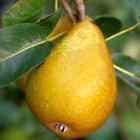
    Beth fan espalier Pear Trees for sale Espalier or fan Pear trees are used against a wall; you will need not less than 180 x 180cm’s for a fan or espalier tree. Please note we do not supply ready trained trees; this Beth Pear is a young tree suitable for training yourself, in situ. Such trees usually settle to cropping within 2 or 3 seasons. Beth is an excellent early variety from East Malling [Kent] This dessert Pear has exceptional eating qualities and is also a heavy cropper. A neat and fairly compact grower. Beth fan espalier Pear Tree – season Eating early September through to early October. Beth Pear – appearance A medium sized fruit, classical bottom-heavy pear shape, ripening to a beautiful primrose yellow and filled with juice. Flavour Intensely sweet, develops a wonderful scent, full of juice and very tender texture. Beth Pear – Pollination Beth is in ‘B’ pollination group so partner with any varieties in the same or adjacent groups. Here are some suggested varieties: Williams bon Chretien Moonlgow Invincible Gorham Improved Fertility
    Beth Pear fan espalier Beth fan espalier Pear Trees for sale Espalier or fan Pear trees are used against a wall; you will need not less than 180 x 180cm’s for a fan or espalier tree. Please note we do not supply ready trained trees; this Beth Pear is a young tree suitable for training yourself, in situ. Such trees usually settle to cropping within 2 or 3 seasons. Beth is an excellent early variety from East Malling [Kent] This dessert Pear has exceptional eating qualities and is also a heavy cropper. A neat and fairly compact grower. Beth fan espalier Pear Tree – season Eating early September through to early October. Beth Pear – appearance A medium sized fruit, classical bottom-heavy pear shape, ripening to a beautiful primrose yellow and filled with juice. Flavour Intensely sweet, develops a wonderful scent, full of juice and very tender texture. Beth Pear – Pollination Beth is in ‘B’ pollination group so partner with any varieties in the same or adjacent groups. Here are some suggested varieties: Williams bon Chretien Moonlgow Invincible Gorham Improved Fertility
    Fan Espalier Pears
  • Winter Nellis pear trees, 2269, 236983, Winter Nellis pear trees Winter Nellis pear trees
    A small pear but has a lovely flavour and renowned for it's storing qualities. A small tree of little vigour but surprisingly tough.
    A Belgian variety first known in the UK in 1818. It is only a small fruit but has a lovely flavour and stores very late. A small growing tree but frost hardy and reliable. Winter Nellis Pear Tree – season Keep on the tree as late as possible, late October to early November, may then be used from storage well into January/February. Winter Nellis Pear – appearance Small, somewhat rounded dull brown russet over green. Not a looker. Flavour Superb; tender, lightly perfumed and aromatic with an intense aroma and very juicy flesh. Winter Nellis Pear – Pollination This variety belongs in ‘C’ pollination group & will pollinate readily with varieties in the same or adjacent groups. Here are some suggested varieties: Beth Beurre Hardy Concorde Invincible Improved Fertility Tree sizes for Winter Nellis Pear trees: Quince C rootstock Is the most compact stock generally used for Pears. It can be maintained at an easily harvested 180-260cm’s and can be planted around 150-180cm’s apart. Quince ‘C’ is easily the most satisfactory rootstock for garden use and can even be incorporated into a large – say 24” – container and kept on the patio. Such trees may be restricted below the 180cm mark. Quince A rootstock Is more vigorous than Quince ‘C’ and is ideal for orchard planting, grassy area’s and the larger border. It will grow to 250-350cm’s and should be planted not less than 250cm’s apart. A heavy cropping tree suitable for most good soils and situations.
    Winter Nellis pear trees Winter Nellis Pear Trees for sale A Belgian variety first known in the UK in 1818. It is only a small fruit but has a lovely flavour and stores very late. A small growing tree but frost hardy and reliable. Winter Nellis Pear Tree – season Keep on the tree as late as possible, late October to early November, may then be used from storage well into January/February. Winter Nellis Pear – appearance Small, somewhat rounded dull brown russet over green. Not a looker. Flavour Superb; tender, lightly perfumed and aromatic with an intense aroma and very juicy flesh. Winter Nellis Pear – Pollination This variety belongs in ‘C’ pollination group & will pollinate readily with varieties in the same or adjacent groups. Here are some suggested varieties: Beth Beurre Hardy Concorde Invincible Improved Fertility Tree sizes for Winter Nellis Pear trees: Quince C rootstock Is the most compact stock generally used for Pears. It can be maintained at an easily harvested 180-260cm’s and can be planted around 150-180cm’s apart. Quince ‘C’ is easily the most satisfactory rootstock for garden use and can even be incorporated into a large – say 24” – container and kept on the patio. Such trees may be restricted below the 180cm mark. Quince A rootstock Is more vigorous than Quince ‘C’ and is ideal for orchard planting, grassy area’s and the larger border. It will grow to 250-350cm’s and should be planted not less than 250cm’s apart. A heavy cropping tree suitable for most good soils and situations.
    Pears for frosty areas
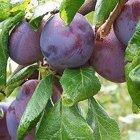
  • Violetta stepover, 2261, 237332, Violetta stepover Violetta stepover
    A new variety that looks very promising; dusky vuiolet large fruits with an exceptional dessert flavour, ripening in early August. Hardy and disease resistant. Self pollinating.
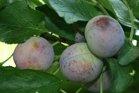
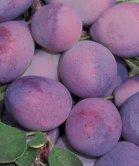
    Stepover trees are used primarily for edging a border or pathway or to divide the kitchen/vegetable garden. These very tiny trees are just 18” in height with two side laterals from the main stem forming a capital ‘T’ shape. The stepover tree is an ormamental addition to your garden and these trees are grown on the Pixy rootstock. Plant 120-150cm’s apart. Violetta is a new North European variety with some very fine attaributes. It is very frost hardy and does not reequire a polinator to produce an abundant crop. Dessert or dual purpose. A very abundant cropper and reliable in all areas. Violetta stepover plum tree – season Late July to early August ripening. Violetta Plum – appearance & flavour Beautiful, oval dusky violet purple throughout. Inside greenish-yellow, juicy, well flavoured and ideal for all purpose. Violetta – pollination No pollinators are required to produce the beautiful fruit.
    Violetta stepover Violetta stepover Plum trees Stepover trees are used primarily for edging a border or pathway or to divide the kitchen/vegetable garden. These very tiny trees are just 18” in height with two side laterals from the main stem forming a capital ‘T’ shape. The stepover tree is an ormamental addition to your garden and these trees are grown on the Pixy rootstock. Plant 120-150cm’s apart. Violetta is a new North European variety with some very fine attaributes. It is very frost hardy and does not reequire a polinator to produce an abundant crop. Dessert or dual purpose. A very abundant cropper and reliable in all areas. Violetta stepover plum tree – season Late July to early August ripening. Violetta Plum – appearance & flavour Beautiful, oval dusky violet purple throughout. Inside greenish-yellow, juicy, well flavoured and ideal for all purpose. Violetta – pollination No pollinators are required to produce the beautiful fruit.
    Stepover Plum Trees
  • Williams bon Chretien Pear trees, 2259, 236978, Williams bon Chretien Pear trees Williams bon Chretien Pear trees
    Hardly needing introduction as the most universally grown pear. The fruits ripen to a pale yellow, from late September and have a perfect aromatic, perfumed sweet and honeyed flavour that always captivates. Does well in most areas.
    Often credited as being the most universally grown pear. A tree of medium growth, freely cropping & hardy. Is partly self fertile but does benefit from a pollinator. Amazingly, despite the name, this is actually an English raised Pear which has it’s origins in Berkshire in the 1800’s. Williams Bon Chretien Pear Tree – season Mid-late September harvest as soon as ripe straight from the tree. Williams bon Chretien Pear – appearance Medium sized, classic Pear shape, pale green-yellow with only the very occasional pink flush or stripe. Flavour Unmistakeably scented with a wonderful aroma and the perfect balanace of sweetness and acidity. At it’s best unbeatable. Also suits cooking applications such as flans and tarts. Williams Bon Chretien Pear – Pollination This variety belongs in ‘C’ pollination group & will pollinate readily with varieties in the same or adjacent groups. Here are some suggested varieties: Beth Beurre Hardy Concorde Invincible Improved Fertility Tree sizes for Williams Bon Chretien Pear trees: Quince C rootstock Is the most compact stock generally used for Pears. It can be maintained at an easily harvested 180-260cm’s and can be planted around 150-180cm’s apart. Quince ‘C’ is easily the most satisfactory rootstock for garden use and can even be incorporated into a large – say 24” – container and kept on the patio. Such trees may be restricted below the 180cm mark. Quince A rootstock Is more vigorous than Quince ‘C’ and is ideal for orchard planting, grassy area’s and the larger border. It will grow to 250-350cm’s and should be planted not less than 250cm’s apart. A heavy cropping tree suitable for most good soils and situations.
    Williams bon Chretien Pear trees Williams Bon Chretien Pear Trees for sale Often credited as being the most universally grown pear. A tree of medium growth, freely cropping & hardy. Is partly self fertile but does benefit from a pollinator. Amazingly, despite the name, this is actually an English raised Pear which has it’s origins in Berkshire in the 1800’s. Williams Bon Chretien Pear Tree – season Mid-late September harvest as soon as ripe straight from the tree. Williams bon Chretien Pear – appearance Medium sized, classic Pear shape, pale green-yellow with only the very occasional pink flush or stripe. Flavour Unmistakeably scented with a wonderful aroma and the perfect balanace of sweetness and acidity. At it’s best unbeatable. Also suits cooking applications such as flans and tarts. Williams Bon Chretien Pear – Pollination This variety belongs in ‘C’ pollination group & will pollinate readily with varieties in the same or adjacent groups. Here are some suggested varieties: Beth Beurre Hardy Concorde Invincible Improved Fertility Tree sizes for Williams Bon Chretien Pear trees: Quince C rootstock Is the most compact stock generally used for Pears. It can be maintained at an easily harvested 180-260cm’s and can be planted around 150-180cm’s apart. Quince ‘C’ is easily the most satisfactory rootstock for garden use and can even be incorporated into a large – say 24” – container and kept on the patio. Such trees may be restricted below the 180cm mark. Quince A rootstock Is more vigorous than Quince ‘C’ and is ideal for orchard planting, grassy area’s and the larger border. It will grow to 250-350cm’s and should be planted not less than 250cm’s apart. A heavy cropping tree suitable for most good soils and situations.
    Pears for frosty areas
  • Victoria stepover, 2258, 237295, Victoria stepover Victoria stepover
    Hardly needing description, the favourite and most delectably flavoured plum of all. Late August-September season.
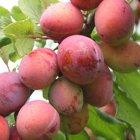
    Stepover trees are used primarily for edging a border or pathway or to divide the kitchen/vegetable garden. These very tiny trees are just 18” in height with two side laterals from the main stem forming a capital ‘T’ shape. The stepover tree is an ormamental addition to your garden and these trees are grown on the Pixy rootstock. Plant 120-150cm’s apart. Victoria is the most well known and enduring Plum tree variety of them all, scarcely needing description. Generally does well, during years of over-abundance some thinning is a good idea to prevent bi-ennial cropping. The classic dual purpose plum. Victoria stepover plum tree – season Generally can be used from late August to mid September. Victoria Plum – appearance & flavour Oval light red over yellow, when fully ripen purple-red. Juicy yellow inner flesh, sumptuous flavour. Perfect for dessert but also admirably suited to all culinary purposes. Victoria – pollination No pollinators are required to produce the large, quality fruits. Tree sizes for Victoria plum tree: St Julien ‘A’ A vigorous tree mostly used for field and grassy area’s, paddock and orchard. Promotes high yields and makes a good disease-resistant tree suitable for most soils and areas. It will mature to 360cm’s approx with a spread slightly less. Plant 300cm’s apart. Can be grown into half standard or bush form. Pixy Rootstock Is the only ‘dwarf’ rootstock for Plums. An ideal choice for smaller areas and contained gardens, it is also happy being kept in a 20-24” container [using John Innes no 2 compost] Can be maintained at around 200cm’s although it will grow
    Victoria stepover Victoria stepover plum tree Stepover trees are used primarily for edging a border or pathway or to divide the kitchen/vegetable garden. These very tiny trees are just 18” in height with two side laterals from the main stem forming a capital ‘T’ shape. The stepover tree is an ormamental addition to your garden and these trees are grown on the Pixy rootstock. Plant 120-150cm’s apart. Victoria is the most well known and enduring Plum tree variety of them all, scarcely needing description. Generally does well, during years of over-abundance some thinning is a good idea to prevent bi-ennial cropping. The classic dual purpose plum. Victoria stepover plum tree – season Generally can be used from late August to mid September. Victoria Plum – appearance & flavour Oval light red over yellow, when fully ripen purple-red. Juicy yellow inner flesh, sumptuous flavour. Perfect for dessert but also admirably suited to all culinary purposes. Victoria – pollination No pollinators are required to produce the large, quality fruits. Tree sizes for Victoria plum tree: St Julien ‘A’ A vigorous tree mostly used for field and grassy area’s, paddock and orchard. Promotes high yields and makes a good disease-resistant tree suitable for most soils and areas. It will mature to 360cm’s approx with a spread slightly less. Plant 300cm’s apart. Can be grown into half standard or bush form. Pixy Rootstock Is the only ‘dwarf’ rootstock for Plums. An ideal choice for smaller areas and contained gardens, it is also happy being kept in a 20-24” container [using John Innes no 2 compost] Can be maintained at around 200cm’s although it will grow
    Stepover Plum Trees
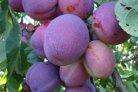
  • Rivers Early Prolific stepover, 2256, 237289, Rivers Early Prolific stepover Rivers Early Prolific stepover
    This is a well known early variety with very bountiful crops of well flavoured fruits.
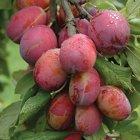
    Stepover trees are used primarily for edging a border or pathway or to divide the kitchen/vegetable garden. These very tiny trees are just 18” in height with two side laterals from the main stem forming a capital ‘T’ shape. The stepover tree is an ormamental addition to your garden and these trees are grown on the Pixy rootstock. Plant 120-150cm’s apart. This rather old and well known variety is a popular choice for early-season Plums. Nearly always does well, this blue/purple Plum has a goiod flavour. Rivers Early Prolific dwarf plum tree – season Late July and early August ripening. Rivers Early Prolific Plum – appearance & flavour Medium sized oval deep blue/purple. Yellow-gold flesh, juicy and sub-acid, mostly used for cooking purposes. Rivers Early Prolific – pollination Pollinates with a wide range of varieties such as: Opal Victoria Pershore Yellow Pershore Purple Violetta
    Rivers Early Prolific stepover Rivers Early Prolific stepover Plum trees for sale Stepover trees are used primarily for edging a border or pathway or to divide the kitchen/vegetable garden. These very tiny trees are just 18” in height with two side laterals from the main stem forming a capital ‘T’ shape. The stepover tree is an ormamental addition to your garden and these trees are grown on the Pixy rootstock. Plant 120-150cm’s apart. This rather old and well known variety is a popular choice for early-season Plums. Nearly always does well, this blue/purple Plum has a goiod flavour. Rivers Early Prolific dwarf plum tree – season Late July and early August ripening. Rivers Early Prolific Plum – appearance & flavour Medium sized oval deep blue/purple. Yellow-gold flesh, juicy and sub-acid, mostly used for cooking purposes. Rivers Early Prolific – pollination Pollinates with a wide range of varieties such as: Opal Victoria Pershore Yellow Pershore Purple Violetta
    Stepover Plum Trees
  • Opal plum stepover, 2253, 237275, Opal plum stepover Opal plum stepover
    Opal is a lovely early ripening dessert plum, prettily coloured & sweet. Can be harvested from late July, needs a pollinator
    Stepover trees are used primarily for edging a border or pathway or to divide the kitchen/vegetable garden. These very tiny trees are just 18” in height with two side laterals from the main stem forming a capital ‘T’ shape. The stepover tree is an ormamental addition to your garden and these trees are grown on the Pixy rootstock. Plant 120-150cm’s apart. Opal is an early variety and the best in this class. Opal is a small well flavoured dessert plum. Opal stepover plum tree – season Ripens in late July for use over 10-14days. Opal – appearance & flavour Small to medium sized rounded fruits, nicely coloured pinkish red over yellow. Good sweet flavour well suited to eating fresh from the tree. Opal – pollination Pollinate with: Victoria Herman Czar Avalon Jubilee
    Opal plum stepover Opal Plum stepover trees for sale Stepover trees are used primarily for edging a border or pathway or to divide the kitchen/vegetable garden. These very tiny trees are just 18” in height with two side laterals from the main stem forming a capital ‘T’ shape. The stepover tree is an ormamental addition to your garden and these trees are grown on the Pixy rootstock. Plant 120-150cm’s apart. Opal is an early variety and the best in this class. Opal is a small well flavoured dessert plum. Opal stepover plum tree – season Ripens in late July for use over 10-14days. Opal – appearance & flavour Small to medium sized rounded fruits, nicely coloured pinkish red over yellow. Good sweet flavour well suited to eating fresh from the tree. Opal – pollination Pollinate with: Victoria Herman Czar Avalon Jubilee
    Stepover Plum Trees
  • Marjories Seedling stepover, 2246, 237270, Marjories Seedling stepover Marjories Seedling stepover
    Marjories Seedling is an excellent plum variety that is frost resistant, dual purpose and late, hangs until October. Self pollinating flowers; easy to grow.
    Stepover trees are used primarily for edging a border or pathway or to divide the kitchen/vegetable garden. These very tiny trees are just 18” in height with two side laterals from the main stem forming a capital ‘T’ shape. The stepover tree is an ormamental addition to your garden and these trees are grown on the Pixy rootstock. Plant 120-150cm’s apart. Marjories Seedling is one of the best varieties and is suitable for all area’s. It is also recommended as a late-season extender and has fruits of very good quality. Marjories Seedling stepover plum tree – season Late September and will hang into October providing quality late fruits. Marjories Seedling Plum – appearance & flavour Medium to large in size, somewhat circular, ripening to a fine deep purple usually with a dusky bloom and the occassional green flush. Flesh golden yellow with a good flavour; highly favoured for pies, jams and freezing but more than suited to dessert use when fully ripe. Marjories Seedling – pollination Self fertile so may be grown as a sole tree. Also a good pollinator for other varieties.
    Marjories Seedling stepover Marjories Seedling stepover Plum trees Stepover trees are used primarily for edging a border or pathway or to divide the kitchen/vegetable garden. These very tiny trees are just 18” in height with two side laterals from the main stem forming a capital ‘T’ shape. The stepover tree is an ormamental addition to your garden and these trees are grown on the Pixy rootstock. Plant 120-150cm’s apart. Marjories Seedling is one of the best varieties and is suitable for all area’s. It is also recommended as a late-season extender and has fruits of very good quality. Marjories Seedling stepover plum tree – season Late September and will hang into October providing quality late fruits. Marjories Seedling Plum – appearance & flavour Medium to large in size, somewhat circular, ripening to a fine deep purple usually with a dusky bloom and the occassional green flush. Flesh golden yellow with a good flavour; highly favoured for pies, jams and freezing but more than suited to dessert use when fully ripe. Marjories Seedling – pollination Self fertile so may be grown as a sole tree. Also a good pollinator for other varieties.
    Stepover Plum Trees
  • Jubilee stepover plum, 2243, 237229, Jubilee stepover plum Jubilee stepover plum
    A new super-hardy Swedish variety which now outsells Victoria. Much more reliable, ripens about 10 days before Victoria. Rosy-violet fruits, large and of good deeert quality. Self pollinating blossom.
    Stepover trees are used primarily for edging a border or pathway or to divide the kitchen/vegetable garden. These very tiny trees are just 18” in height with two side laterals from the main stem forming a capital ‘T’ shape. The stepover tree is an ormamental addition to your garden and these trees are grown on the Pixy rootstock. Plant 120-150cm’s apart. Jubilee [syn ‘Jubileeum’] is a superb recent introduction from Sweden that combines hardiness, fruit quality and self-fertile flowering to a marked degree. Described as the ideal garden Plum tree and our best--selling variety. The results achieved with Jubilee and always first class. Recommended highly. Jubilee stepover plum tree – season Mid-late August, usually in season for about 3 weeks. Jubilee Plum – appearance & flavour Medium to large and light red with a yellow flesh. Flavour good, sweet and not too acid and although mostly used for dessert also cooks well. Jubilee – pollination Self fertile so fine on it’s own.
    Jubilee stepover plum Jubilee stepover Plum trees Stepover trees are used primarily for edging a border or pathway or to divide the kitchen/vegetable garden. These very tiny trees are just 18” in height with two side laterals from the main stem forming a capital ‘T’ shape. The stepover tree is an ormamental addition to your garden and these trees are grown on the Pixy rootstock. Plant 120-150cm’s apart. Jubilee [syn ‘Jubileeum’] is a superb recent introduction from Sweden that combines hardiness, fruit quality and self-fertile flowering to a marked degree. Described as the ideal garden Plum tree and our best--selling variety. The results achieved with Jubilee and always first class. Recommended highly. Jubilee stepover plum tree – season Mid-late August, usually in season for about 3 weeks. Jubilee Plum – appearance & flavour Medium to large and light red with a yellow flesh. Flavour good, sweet and not too acid and although mostly used for dessert also cooks well. Jubilee – pollination Self fertile so fine on it’s own.
    Stepover Plum Trees
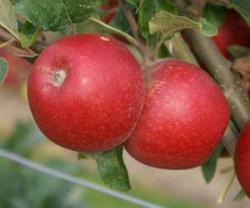
  • Saturn mini M27, 2240, 236466, Saturn mini M27 Saturn mini M27
    The perfect tree for organic growing as it doesn't need spraying with chemicals to keep disease at bay. Flavour and colour of the fruits is good, keeps until the new year. Blossom is self fertile so this variety can be grown on it's own.
    This Saturn apple tree is grown on miniature M27 stock. M27 is a rootstock that produces the smallest tree of all; maturing to around 180cm’s in height and width, this tree is ideal for a container or small garden, courtyard or allotment. It should be staked if in a windy or open position. Crops can exceed 20ibs per tree when established and this rootstock is quite precocious, often yielding the year following planting. Saturn is a new arrival from East Malling, and so good it is already one of our top-selling varieties. Saturn combines excellent disease resistance with a pleasing flavour and self-fertile blossom. Saturn apple tree – Season: Early October, stores until January with ease. Saturn – appearance: Traditional apple shape, medium sized and three quarters to wholly flushed carmine red. Saturn apple treesflavour: Very crisp, juicy and satisfying to eat, the flavour is fruity and sweet with a lot of juice. Uses: A dessert apple primarily. Cropping & Growth Medium vigour, easy to grow, excellent disease resistance – ideal for organic growing. Saturn Apple Trees - Pollination: Saturn is iteslf self-fertile so does not need other trees. It is in group ‘B’ and is also an excellent pollinator for varieties in the same or adjacent groups. Delivery information
    Saturn Apple Trees for sale This Saturn apple tree is grown on miniature M27 stock. M27 is a rootstock that produces the smallest tree of all; maturing to around 180cm’s in height and width, this tree is ideal for a container or small garden, courtyard or allotment. It should be staked if in a windy or open position. Crops can exceed 20ibs per tree when established and this rootstock is quite precocious, often yielding the year following planting. Saturn is a new arrival from East Malling, and so good it is already one of our top-selling varieties. Saturn combines excellent disease resistance with a pleasing flavour and self-fertile blossom. Saturn apple tree – Season: Early October, stores until January with ease. Saturn – appearance: Traditional apple shape, medium sized and three quarters to wholly flushed carmine red. Saturn apple trees – flavour: Very crisp, juicy and satisfying to eat, the flavour is fruity and sweet with a lot of juice. Uses: A dessert apple primarily. Cropping & Growth Medium vigour, easy to grow, excellent disease resistance – ideal for organic growing. Saturn Apple Trees - Pollination: Saturn is iteslf self-fertile so does not need other trees. It is in group ‘B’ and is also an excellent pollinator for varieties in the same or adjacent groups. Delivery information
    Miniature Apple Trees
  • Ribston Pippin mini M27, 2234, 236364, Ribston Pippin mini M27 Ribston Pippin mini M27
    This renowned old variety originates from Yorkshire and has large Cox-type apples with an exceptional flavour. The fruits will store until January.
    This tree Ribston Pippin apple tree is grown on miniature M27 stock. M27 is a rootstock that produces the smallest tree of all; maturing to around 180cm’s in height and width, this tree is ideal for a container or small garden, courtyard or allotment. It should be staked if in a windy or open position. Crops can exceed 20ibs per tree when established and this rootstock is quite precocious, often yielding the year following planting. Ribston Pippin - This is a Yorskhire variety, raised in 1707. A good Cox replacement, easier to grow. Ribston Pippin apple tree – Season: Enjoy between November and January. Ribston Pippin – appearance: Superb red over gold when fully ripe, a little dull at first. A medium sized apple. Ribston Pippin apple treesflavour: Has the superb rich aroma of a true Cox’s, but larger and juicy. Uses: A dessert apple. Cropping & Growth Vigorous and upright grower. Ribston Pippin - Pollination: Ribston Pippin is a triploid variety so needs to be planted with two others to achieve full cropping potential. It has no useful reciprocal pollen.Here are some suggested varieties to pollinate Ribston Pippin: Red Falstaff Red Pippin Jester Meridian Howgate Wonder Bountiful Fortune Red Devil Delivery information
    Ribston Pippin fan espalier Apple Trees for sale This tree Ribston Pippin apple tree is grown on miniature M27 stock. M27 is a rootstock that produces the smallest tree of all; maturing to around 180cm’s in height and width, this tree is ideal for a container or small garden, courtyard or allotment. It should be staked if in a windy or open position. Crops can exceed 20ibs per tree when established and this rootstock is quite precocious, often yielding the year following planting. Ribston Pippin - This is a Yorskhire variety, raised in 1707. A good Cox replacement, easier to grow. Ribston Pippin apple tree – Season: Enjoy between November and January. Ribston Pippin – appearance: Superb red over gold when fully ripe, a little dull at first. A medium sized apple. Ribston Pippin apple trees – flavour: Has the superb rich aroma of a true Cox’s, but larger and juicy. Uses: A dessert apple. Cropping & Growth Vigorous and upright grower. Ribston Pippin - Pollination: Ribston Pippin is a triploid variety so needs to be planted with two others to achieve full cropping potential. It has no useful reciprocal pollen.Here are some suggested varieties to pollinate Ribston Pippin: Red Falstaff Red Pippin Jester Meridian Howgate Wonder Bountiful Fortune Red Devil Delivery information
    Miniature Apple Trees
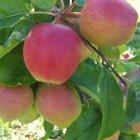
  • Red Windsor mini M27, 2232, 236355, Red Windsor mini M27 Red Windsor mini M27
    This new variety is  anatrually compact tree, so with the ingluence of the mini M27 rootstock, it makes an ideal tree for the patio. The naturally spurring habit provides a wealth of self fertile flowers - and a bountiful crop of well flavoured fruits too. Ready for eating mid September, and can usually be used for about 2 months.
    This tree is grown on miniature M27 stock. M27 is a rootstock that produces the smallest tree of all; maturing to around 180cm’s in height and width, this tree is ideal for a container or small garden, courtyard or allotment. It should be staked if in a windy or open position. Crops can exceed 20ibs per tree when established and this rootstock is quite precocious, often yielding the year following planting Red Windsor is an excellent new variety with some characteristics that make it the perfect garden variety. Red Windsor is a red sport of ‘Alkmene’ [itself an excellent variety] that came by way of Cox’s. Red Windsor could be described as having a Cox-type flavour. It is also self fertile & naturally compact. Red Windsor miniature Apple tree – Season: Harvest mid September, stroes until November. Red Windsor- appearance: A beautiful medium sized apple heavily dressed in red. Red Windsor  apple treesflavour: Good texture, nicely crisp but not woody. The cream flesh is well balanced with sugars and acidity and has honeyed and aromatic notes. Nicely scented. Uses: Dessert, juice and table decoration. Cropping & Growth A small, compact grower with neat round headed growth. Seems to devote it’s energies to cropping. Red Windsor- Pollination: Red Windsor is itself self pollinating so needs no other varieties to crop well. It is itself in pollination group ‘B’ so will help pollinate varieties in the same or adjacent groups. Delivery information
    Red Windsor miniature M27 Apple trees for sale This tree is grown on miniature M27 stock. M27 is a rootstock that produces the smallest tree of all; maturing to around 180cm’s in height and width, this tree is ideal for a container or small garden, courtyard or allotment. It should be staked if in a windy or open position. Crops can exceed 20ibs per tree when established and this rootstock is quite precocious, often yielding the year following planting Red Windsor is an excellent new variety with some characteristics that make it the perfect garden variety. Red Windsor is a red sport of ‘Alkmene’ [itself an excellent variety] that came by way of Cox’s. Red Windsor could be described as having a Cox-type flavour. It is also self fertile & naturally compact. Red Windsor miniature Apple tree – Season: Harvest mid September, stroes until November. Red Windsor- appearance: A beautiful medium sized apple heavily dressed in red. Red Windsor  apple trees – flavour: Good texture, nicely crisp but not woody. The cream flesh is well balanced with sugars and acidity and has honeyed and aromatic notes. Nicely scented. Uses: Dessert, juice and table decoration. Cropping & Growth A small, compact grower with neat round headed growth. Seems to devote it’s energies to cropping. Red Windsor- Pollination: Red Windsor is itself self pollinating so needs no other varieties to crop well. It is itself in pollination group ‘B’ so will help pollinate varieties in the same or adjacent groups. Delivery information
    Miniature Apple Trees
  • Red Pippin miniature M27, 2228, 236348, Red Pippin miniature M27 Red Pippin miniature M27
    This Kent raised variety has a similar taste to Cox's Orange but stores even better. The fruits of Red Pippin can be kept until March or even later with ease and the lovely flavour and texture does not deteriorate. Healthy growing tree.
    This Red Pippin ['Fiesta'] tree is grown on miniature M27 stock. M27 is a rootstock that produces the smallest tree of all; maturing to around 180cm’s in height and width, this tree is ideal for a container or small garden, courtyard or allotment. It should be staked if in a windy or open position. Crops can exceed 20ibs per tree when established and this rootstock is quite precocious, often yielding the year following planting. Red Pippin - Syn ‘Fiesta’ Red Pippin is a relatively new English apple, developed in Kent in the 1970s but with a very traditional English style and flavour. Cox's Orange Pippin is one of its parents, and it has inherited the classic Cox aromatic sweet/sharp flavour, although not quite quite as complex as that esteemed variety. A much better groiwer and a much better garden apple than Cox’s. Red Pippin Apple tree – Season: Stores very well; harvest in October and can be kept until the Spring. Red Pippin - appearance: Medium sized olive green overlaid coppery red, flushed and striped. Red Pippin  apple treesflavour: Well balanced, sweet-sharp taste, akin to Cox’s,not quite as dynamic but very good. Uses: A dessert apple and also highly valued for juicing. Cropping & Growth Medium growth, hardy and disease free. Heavy cropper. Red Pippin- Pollination: Red Pippin is in pollination group ‘B’ so will pollinate well with varieties in the same or adjacent groups. Here are some suggested varieties: Falstaff Elstar Discovery Jester Bountiful Arthur Turner Merton Knave Fortune Delivery information
    Red Pippin Apple trees This Red Pippin ['Fiesta'] tree is grown on miniature M27 stock. M27 is a rootstock that produces the smallest tree of all; maturing to around 180cm’s in height and width, this tree is ideal for a container or small garden, courtyard or allotment. It should be staked if in a windy or open position. Crops can exceed 20ibs per tree when established and this rootstock is quite precocious, often yielding the year following planting. Red Pippin - Syn ‘Fiesta’ Red Pippin is a relatively new English apple, developed in Kent in the 1970s but with a very traditional English style and flavour. Cox's Orange Pippin is one of its parents, and it has inherited the classic Cox aromatic sweet/sharp flavour, although not quite quite as complex as that esteemed variety. A much better groiwer and a much better garden apple than Cox’s. Red Pippin Apple tree – Season: Stores very well; harvest in October and can be kept until the Spring. Red Pippin - appearance: Medium sized olive green overlaid coppery red, flushed and striped. Red Pippin  apple trees – flavour: Well balanced, sweet-sharp taste, akin to Cox’s,not quite as dynamic but very good. Uses: A dessert apple and also highly valued for juicing. Cropping & Growth Medium growth, hardy and disease free. Heavy cropper. Red Pippin- Pollination: Red Pippin is in pollination group ‘B’ so will pollinate well with varieties in the same or adjacent groups. Here are some suggested varieties: Falstaff Elstar Discovery Jester Bountiful Arthur Turner Merton Knave Fortune Delivery information
    Miniature Apple Trees
  • Red Falstaff mini M27, 2226, 236343, Red Falstaff mini M27 Red Falstaff mini M27
    The ideal garden apple. Very productive, good firm crisp texture, sweet and juicy. Red Falstaff is a very heavily cropping, reliable variety suitable for planting everywhere. Trouble free and disease reistant, blossom is self fertile. No pollinating partners required. Highly recommended.
    This Red Falstaff apple tree is grown on miniature M27 stock. M27 is a rootstock that produces the smallest tree of all; maturing to around 180cm’s in height and width, this tree is ideal for a container or small garden, courtyard or allotment. It should be staked if in a windy or open position. Crops can exceed 20ibs per tree when established and this rootstock is quite precocious, often yielding the year following planting. Red Falstaff is a recent introduction which is a cross of James Grieve x Golden Delicious. One of th very best garden apple trees which has quickly established itself and is now our top-selling variety. It has everything; flavour, appearance, storing qualities, texture, reliability and disease resistance. Oh – and it’s self fertile too! Red Falstaff miniature Apple tree – Season: Pick early October, will store until December with little loss of texture. Red Falstaff - appearance: A handsome apple, the green-yellow base colour hardly visible beneath a dense covering of vibrant red. Red Falstaff apple treesflavour: Braeburn style but better. Dense, crunchy, juicy, sweet but not excessively so. Maintains it’s texture very well. Uses: A dessert apple. Cropping & Growth Medium growth, hardy and disease free. Heavy cropper. Red Falstaff - Pollination: Self fertile so needs no pollinating partners itself. Red Falstaff  is in pollination group ‘B’ so will pollinate varieties in the same or adjacent groups. Delivery information
    Red Falstaff miniature M27 Apple trees for sale This Red Falstaff apple tree is grown on miniature M27 stock. M27 is a rootstock that produces the smallest tree of all; maturing to around 180cm’s in height and width, this tree is ideal for a container or small garden, courtyard or allotment. It should be staked if in a windy or open position. Crops can exceed 20ibs per tree when established and this rootstock is quite precocious, often yielding the year following planting. Red Falstaff is a recent introduction which is a cross of James Grieve x Golden Delicious. One of th very best garden apple trees which has quickly established itself and is now our top-selling variety. It has everything; flavour, appearance, storing qualities, texture, reliability and disease resistance. Oh – and it’s self fertile too! Red Falstaff miniature Apple tree – Season: Pick early October, will store until December with little loss of texture. Red Falstaff - appearance: A handsome apple, the green-yellow base colour hardly visible beneath a dense covering of vibrant red. Red Falstaff apple trees – flavour: Braeburn style but better. Dense, crunchy, juicy, sweet but not excessively so. Maintains it’s texture very well. Uses: A dessert apple. Cropping & Growth Medium growth, hardy and disease free. Heavy cropper. Red Falstaff - Pollination: Self fertile so needs no pollinating partners itself. Red Falstaff  is in pollination group ‘B’ so will pollinate varieties in the same or adjacent groups. Delivery information
    Miniature Apple Trees

  • Red Devil miniature M27, 2219, 236333, Red Devil miniature M27 Red Devil miniature M27
    A lovely small patio tree for the garden with brightly cheerful and flavourful sweet fruits, nice flowers and  self pollinating so ideal if you can only grow one apple tree.
    This Red Devil mini tree is grown on miniature M27 stock. M27 is a rootstock that produces the smallest tree of all; maturing to around 180cm’s in height and width, this tree is ideal for a container or small garden, courtyard or allotment. It should be staked if in a windy or open position. Crops can exceed 20ibs per tree when established and this rootstock is quite precocious, often yielding the year following planting Red Devil is Kent raised, 1975 from a cross between Discovery and Kent [the variety] An ideal garden apple, compact, self fertile and easy to grow. Has nice blossom. Red Devil Apple tree – Season: Enjoy this variety from late September to November. Red Devil - appearance: Medium, flattened-circular, almost entirely bright red. Red Devil apple treesflavour: Not overly complex but a good sweet taste and plenty of juice. Lovely straight from the tree. Uses: A dessert variety, also a good juicer. Cropping & Growth Moderately vigorous, easy to grow and trouble free. Heavy cropper. Red Devil - Pollination: Red Devil is self fertile so can be grown on it’s own with no other pollinators. It is a good pollinator for other varieties and is in the‘B’ pollination group so will help with varieties in the same or adjacent groups.  
    Red Devil miniature M27 apple tree This Red Devil mini tree is grown on miniature M27 stock. M27 is a rootstock that produces the smallest tree of all; maturing to around 180cm’s in height and width, this tree is ideal for a container or small garden, courtyard or allotment. It should be staked if in a windy or open position. Crops can exceed 20ibs per tree when established and this rootstock is quite precocious, often yielding the year following planting Red Devil is Kent raised, 1975 from a cross between Discovery and Kent [the variety] An ideal garden apple, compact, self fertile and easy to grow. Has nice blossom. Red Devil Apple tree – Season: Enjoy this variety from late September to November. Red Devil - appearance: Medium, flattened-circular, almost entirely bright red. Red Devil apple trees – flavour: Not overly complex but a good sweet taste and plenty of juice. Lovely straight from the tree. Uses: A dessert variety, also a good juicer. Cropping & Growth Moderately vigorous, easy to grow and trouble free. Heavy cropper. Red Devil - Pollination: Red Devil is self fertile so can be grown on it’s own with no other pollinators. It is a good pollinator for other varieties and is in the‘B’ pollination group so will help with varieties in the same or adjacent groups.  
    Miniature Apple Trees
  • Red Delicious mini M27, 2216, 236328, Red Delicious mini M27 Red Delicious mini M27
    Red Delicious as a mini tree makes a very decorative addition to the patio. Red Delicious is well known for it's superbly finished glossy deep red blocky fruits which look magnificent in the fruit bowl or as table decoration. Leave on the tree for as long as possible to ripen; stores until late Spring at least.
    This Red Delicious apple tree is grown on miniature M27 stock. M27 is a rootstock that produces the smallest tree of all; maturing to around 180cm’s in height and width, this tree is ideal for a container or small garden, courtyard or allotment. It should be staked if in a windy or open position. Crops can exceed 20ibs per tree when established and this rootstock is quite precocious, often yielding the year following planting This classic American apple variety was named and introduced in the 1800’s but did not find it’s way to England for many years after. It does not show it’s finest attributes here but is still worth growing in a warm spot or as a cordon perhaps on a sunny wall. Red Delicious Apple tree – Season: Leave on the tree to develop as long as possible; eat from storage December to April. Red Delicious - appearance: Distinctivelt ‘tall’ conical apple with a tough, shiny skin almost entirely deep gleaming blood red. Inner flesh very white. Red Delicious apple treesflavour: Dense, crisp and juicy flesh, very sweet with almost no acidity. Uses: Dessert use and as decoration. Can be juiced. Cropping & Growth Medium vigour, largely trouble free but fruits needs sunshine and time to develop. Red Delicious - Pollination: ‘C’ pollination group, use varieties with the same or adjacent groups to pollinate successfully. Here are some suggested varieties: Jonathan Jester Kidds Orange Red Peasgood Nonsuch Monarch Merton Knave Lobo Charles Ross 
    Red Delicious cordon Apple trees This Red Delicious apple tree is grown on miniature M27 stock. M27 is a rootstock that produces the smallest tree of all; maturing to around 180cm’s in height and width, this tree is ideal for a container or small garden, courtyard or allotment. It should be staked if in a windy or open position. Crops can exceed 20ibs per tree when established and this rootstock is quite precocious, often yielding the year following planting This classic American apple variety was named and introduced in the 1800’s but did not find it’s way to England for many years after. It does not show it’s finest attributes here but is still worth growing in a warm spot or as a cordon perhaps on a sunny wall. Red Delicious Apple tree – Season: Leave on the tree to develop as long as possible; eat from storage December to April. Red Delicious - appearance: Distinctivelt ‘tall’ conical apple with a tough, shiny skin almost entirely deep gleaming blood red. Inner flesh very white. Red Delicious apple trees – flavour: Dense, crisp and juicy flesh, very sweet with almost no acidity. Uses: Dessert use and as decoration. Can be juiced. Cropping & Growth Medium vigour, largely trouble free but fruits needs sunshine and time to develop. Red Delicious - Pollination: ‘C’ pollination group, use varieties with the same or adjacent groups to pollinate successfully. Here are some suggested varieties: Jonathan Jester Kidds Orange Red Peasgood Nonsuch Monarch Merton Knave Lobo Charles Ross 
    Miniature Apple Trees
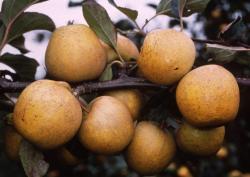
  • Pitmaston Pineapple mini M27, 2213, 236318, Pitmaston Pineapple mini M27 Pitmaston Pineapple mini M27
    A very old variety with small but powerfully tasty fruits which do have aroma of pineapple. Keeps until December.
    This Pitmaston Pineapple apple tree is grown on miniature M27 stock. M27 is a rootstock that produces the smallest tree of all; maturing to around 180cm’s in height and width, this tree is ideal for a container or small garden, courtyard or allotment. It should be staked if in a windy or open position. Crops can exceed 20ibs per tree when established and this rootstock is quite precocious, often yielding the year following planting. Origins - Herefordshire, 1785, a seedling from Golden Pippin. A unique little apple and prominent through history and which now seems to be finding ever greater popularity again. Pitmaston Pineapple Apple tree – Season: To be enjoyed from early October through to Christmas. Pitmaston Pineapple - appearance: A small golden apple with a fine tracery of russet. Pitmaston Pineapple apple treesflavour: An incredible taste sensation with varying nuances of honey, musk, pineapple all set against a vividly rich aromatic sharp background. Uses: A dessert apple. Cropping & Growth Moderately vigorous, upright habit. Heavy cropping but can be bi-ennial. Pitmaston Pineapple - Pollination: ‘C’ pollination group, use varieties with the same or adjacent groups to pollinate successfully.  Here are some suggested varieties: Empire Jonathan Gala Catshead Lord Derby Allington Pippin Charles Ross
    Pitmaston Pineapple miniature M27 Apple trees This Pitmaston Pineapple apple tree is grown on miniature M27 stock. M27 is a rootstock that produces the smallest tree of all; maturing to around 180cm’s in height and width, this tree is ideal for a container or small garden, courtyard or allotment. It should be staked if in a windy or open position. Crops can exceed 20ibs per tree when established and this rootstock is quite precocious, often yielding the year following planting. Origins - Herefordshire, 1785, a seedling from Golden Pippin. A unique little apple and prominent through history and which now seems to be finding ever greater popularity again. Pitmaston Pineapple Apple tree – Season: To be enjoyed from early October through to Christmas. Pitmaston Pineapple - appearance: A small golden apple with a fine tracery of russet. Pitmaston Pineapple apple trees – flavour: An incredible taste sensation with varying nuances of honey, musk, pineapple all set against a vividly rich aromatic sharp background. Uses: A dessert apple. Cropping & Growth Moderately vigorous, upright habit. Heavy cropping but can be bi-ennial. Pitmaston Pineapple - Pollination: ‘C’ pollination group, use varieties with the same or adjacent groups to pollinate successfully.  Here are some suggested varieties: Empire Jonathan Gala Catshead Lord Derby Allington Pippin Charles Ross
    Miniature Apple Trees
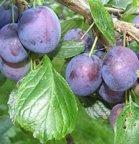
  • Czar stepover tree, 2210, 237220, Czar stepover tree Czar stepover tree
    The Czar is a popular choice for the early Plum season, ready for ating from late July. Hardy & reliable.
    Stepover trees are used primarily for edging a border or pathway or to divide the kitchen/vegetable garden. These very tiny trees are just 18” in height with two side laterals from the main stem forming a capital ‘T’ shape. The stepover tree is an ormamental addition to your garden and these trees are grown on the Pixy rootstock. Plant 120-150cm’s apart. The Czar is one of the most popular of all Plum tree varieties and is always recommended as a durable, hardy cropper. It suits dual purpose and is also self fertile & easy to grow. Czar plum tree – season Usually ripening from laye July/early August. Czar Plum – appearance & flavour No more than medium sized, semi circular dark violet-purple. Mostly used for cooking but also suits dessert. Good flavour. Czar – pollination Self fertile so fine on it’s own.
    Czar stepover Plum trees Stepover trees are used primarily for edging a border or pathway or to divide the kitchen/vegetable garden. These very tiny trees are just 18” in height with two side laterals from the main stem forming a capital ‘T’ shape. The stepover tree is an ormamental addition to your garden and these trees are grown on the Pixy rootstock. Plant 120-150cm’s apart. The Czar is one of the most popular of all Plum tree varieties and is always recommended as a durable, hardy cropper. It suits dual purpose and is also self fertile & easy to grow. Czar plum tree – season Usually ripening from laye July/early August. Czar Plum – appearance & flavour No more than medium sized, semi circular dark violet-purple. Mostly used for cooking but also suits dessert. Good flavour. Czar – pollination Self fertile so fine on it’s own.
    Stepover Plum Trees
  • Orleans Reinette mini M27, 2209, 236312, Orleans Reinette mini M27 Orleans Reinette mini M27
    A wonderul russetted apple with a creamy, crumbly texture and superb rich flabour. Can be eaten from October to Christmas, top class for taste.
    This Orelans Reinette apple tree is grown on miniature M27 stock. M27 is a rootstock that produces the smallest tree of all; maturing to around 180cm’s in height and width, this tree is ideal for a container or small garden, courtyard or allotment. It should be staked if in a windy or open position. Crops can exceed 20ibs per tree when established and this rootstock is quite precocious, often yielding the year following planting. Orelans Reinette is an esteemed French variety from the 1700’s which remains highly regarded for it’s flavour. Orleans Reinette miniature Apple tree – Season: For use early November to late December. Orelans Reinette - appearance: Medijm sized flattened-circular golden yellow with a cinnamon coloured russet and bronzy flush. Flesh is deep cream. Orelans Reinette apple trees – flavour: Outstanding, especially when grown in sunny spot. The deep cream flesh is akin to that of a russet – not overly juicy, firm, slightly crumbly and with a rich, complex aromatic flavour that is very more-ish. Uses: Although a very fine dessert apple, also suits cooking having been recommended for tarts, pastries and slicing. Cropping & Growth Fairly good health record, medium vigour. Orleans Reinette - Pollination: ‘D’ pollination group, use varieties with the same or adjacent groups to pollinate successfully. Here are some suggested varieties: Chivers Delight Gala Charles Ross American Mother Annie Elizabeth Lord Derby
    Orleans Reinette miniature M27 Apple trees for sale This Orelans Reinette apple tree is grown on miniature M27 stock. M27 is a rootstock that produces the smallest tree of all; maturing to around 180cm’s in height and width, this tree is ideal for a container or small garden, courtyard or allotment. It should be staked if in a windy or open position. Crops can exceed 20ibs per tree when established and this rootstock is quite precocious, often yielding the year following planting. Orelans Reinette is an esteemed French variety from the 1700’s which remains highly regarded for it’s flavour. Orleans Reinette miniature Apple tree – Season: For use early November to late December. Orelans Reinette - appearance: Medijm sized flattened-circular golden yellow with a cinnamon coloured russet and bronzy flush. Flesh is deep cream. Orelans Reinette apple trees – flavour: Outstanding, especially when grown in sunny spot. The deep cream flesh is akin to that of a russet – not overly juicy, firm, slightly crumbly and with a rich, complex aromatic flavour that is very more-ish. Uses: Although a very fine dessert apple, also suits cooking having been recommended for tarts, pastries and slicing. Cropping & Growth Fairly good health record, medium vigour. Orleans Reinette - Pollination: ‘D’ pollination group, use varieties with the same or adjacent groups to pollinate successfully. Here are some suggested varieties: Chivers Delight Gala Charles Ross American Mother Annie Elizabeth Lord Derby
    Miniature Apple Trees
fruit-trees.com
01366386858