Search results

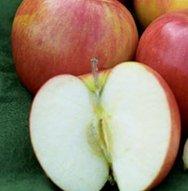
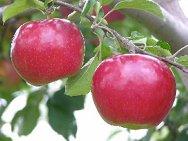
  • Jonagold miniature M27, 2016, 235964, Jonagold miniature M27 Jonagold miniature M27
    Most satisfying to eat with a nice crisp crunch and plenty of juice. For eating Oct-January, a vigorous and heavy cropping tree that is frost hardy.
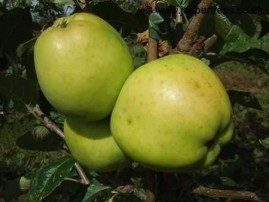
    This Jonagold apple tree is grown on miniature M27 stock. M27 is a rootstock that produces the smallest tree of all; maturing to around 180cm’s in height and width, this tree is ideal for a container or small garden, courtyard or allotment. It should be staked if in a windy or open position. Crops can exceed 20ibs per tree when established and this rootstock is quite precocious, often yielding the year following planting. Jonagold is a very important variety commercially, and one of the better supermarket apples. Raised in the U.S.A in 1968 from a Jonathan x Golden Delicious cross. It soon spread globally and is grown all over Europe and has received an Award of Garden Merit from the R.H.S. Jonagold miniature Apple tree – Season: Harvest Jonagold mid October, keeps in store until February or sometimes later with care. Jonagold - appearance: At it’s best an attractive apple, although colouring can be variable. Pale green yellow, an oval apple variably covered by a bright orange red flush. Flesh is very crisp and cream. Jonagold apple trees – flavour: Firm and juicy with a wonderful crispy bite. Plenty oif juice, plenty of sugar but with a satisfying light underlying acidity to give it balance. Very enjoyable to eat. Uses: For dessert use. Cropping & Growth Vigorous variety and spreading. Capable of giving heavy crops reliably. Jonagold - Pollination: This is a triploid variety that ideally needs two others to pollinate and yield fully. Here are some suggested varieties: Falstaff Golden Delicious Bountiful Fortune Cox's Orange Pippin Arthur Turner Charles Ross
    Jonagold miniature M27 Apple trees for sale This Jonagold apple tree is grown on miniature M27 stock. M27 is a rootstock that produces the smallest tree of all; maturing to around 180cm’s in height and width, this tree is ideal for a container or small garden, courtyard or allotment. It should be staked if in a windy or open position. Crops can exceed 20ibs per tree when established and this rootstock is quite precocious, often yielding the year following planting. Jonagold is a very important variety commercially, and one of the better supermarket apples. Raised in the U.S.A in 1968 from a Jonathan x Golden Delicious cross. It soon spread globally and is grown all over Europe and has received an Award of Garden Merit from the R.H.S. Jonagold miniature Apple tree – Season: Harvest Jonagold mid October, keeps in store until February or sometimes later with care. Jonagold - appearance: At it’s best an attractive apple, although colouring can be variable. Pale green yellow, an oval apple variably covered by a bright orange red flush. Flesh is very crisp and cream. Jonagold apple trees – flavour: Firm and juicy with a wonderful crispy bite. Plenty oif juice, plenty of sugar but with a satisfying light underlying acidity to give it balance. Very enjoyable to eat. Uses: For dessert use. Cropping & Growth Vigorous variety and spreading. Capable of giving heavy crops reliably. Jonagold - Pollination: This is a triploid variety that ideally needs two others to pollinate and yield fully. Here are some suggested varieties: Falstaff Golden Delicious Bountiful Fortune Cox's Orange Pippin Arthur Turner Charles Ross
    Miniature Apple Trees
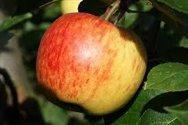
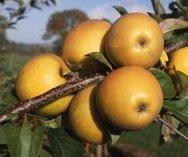
  • James Grieve mini M27, 2014, 235958, James Grieve mini M27 James Grieve mini M27
    A good frost hardy tree and heavily yielding. Ideal for both dessert and culinary use; a 'famous name' in garden apple trees. Mid Sept-October usage.
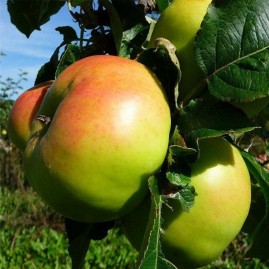
    This James Grieve apple tree is grown on miniature M27 stock. M27 is a rootstock that produces the smallest tree of all; maturing to around 180cm’s in height and width, this tree is ideal for a container or small garden, courtyard or allotment. It should be staked if in a windy or open position. Crops can exceed 20ibs per tree when established and this rootstock is quite precocious, often yielding the year following planting. James Grieve is one of the most famous varieties ever raised, it’s popularity enduring through the ages. A Scottish variety fom the late 1800’s, for use mid season and can be enjoyed fresh or as a culinary apple. James Grieve miniature Apple tree – Season: Mid-late September, through to late October is the best period to enjoy this apple. James Grieve - appearance: Medium sized and stippled in orange-red. James Grieve apple trees – flavour: The flavour of James Grieve varies with timing. At first it is quite acidic and almost savoury and very juicy At this time it is favoured strongly for cooking purposes. But later the flavour softens and sweetens and it is very good for dessert. A versatile and valuable tree to have. Uses: Very much a dual purpose apple. Cropping & Growth Medium vigour on a spreading tree. Frost hardy and reliable. James Grieve - Pollination: ‘B’ pollination group, use varieties with the same or adjacent groups to pollinate successfully. Here are some suggestions: Falstaff Herefordshire Russet Cox's Orange Pippin Bountiful Discovery Arthur Turner Fortune
    James Grieve miniature M27 Apple trees for sale This James Grieve apple tree is grown on miniature M27 stock. M27 is a rootstock that produces the smallest tree of all; maturing to around 180cm’s in height and width, this tree is ideal for a container or small garden, courtyard or allotment. It should be staked if in a windy or open position. Crops can exceed 20ibs per tree when established and this rootstock is quite precocious, often yielding the year following planting. James Grieve is one of the most famous varieties ever raised, it’s popularity enduring through the ages. A Scottish variety fom the late 1800’s, for use mid season and can be enjoyed fresh or as a culinary apple. James Grieve miniature Apple tree – Season: Mid-late September, through to late October is the best period to enjoy this apple. James Grieve - appearance: Medium sized and stippled in orange-red. James Grieve apple trees – flavour: The flavour of James Grieve varies with timing. At first it is quite acidic and almost savoury and very juicy At this time it is favoured strongly for cooking purposes. But later the flavour softens and sweetens and it is very good for dessert. A versatile and valuable tree to have. Uses: Very much a dual purpose apple. Cropping & Growth Medium vigour on a spreading tree. Frost hardy and reliable. James Grieve - Pollination: ‘B’ pollination group, use varieties with the same or adjacent groups to pollinate successfully. Here are some suggestions: Falstaff Herefordshire Russet Cox's Orange Pippin Bountiful Discovery Arthur Turner Fortune
    Miniature Apple Trees
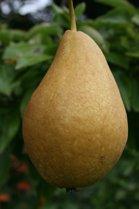
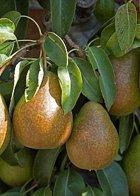
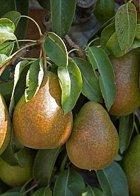
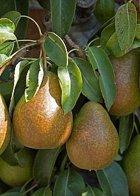
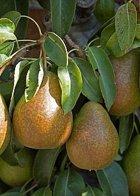
  • Concorde Pear tree, 2013, 236876, Concorde Pear tree Concorde Pear tree
    This recent introduction is already the most popular variety for garden growiong; it has everything. High quality fruits Sweet taste Self fertile flowers Hardy & frost resistant Naturally compact growth. Highly recommended; season Sep
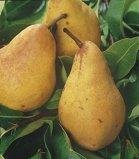
    Concorde is one of the most important Pear tree introductions for decades and is already one of the most popular varieties for the garden, or orchard and suits all growing applicactions. Concorde tends to make quite a compact tree, it is easy to manage, frost hardy and a reliable setter of good quality fruits. One of the best varieties for container growing on Quince ‘C’ stock. Concorde Pear Tree – season Can be harvested for use late September-November. Concorde Pear – appearance Medium sized elongated and the skin mostly covered in a pale golden russet over pale green. Flavour Mild and sweet, sem-crisp juicy texture.. Concorde Pear – Pollination Concorde is self fertile so does need any other varieties to pollinate. It is itself in group ‘B’ so can be used to pollinate any varieties in the same or adjacent groups. Tree sizes for Concorde Pear trees: Quince C rootstock Is the most compact stock generally used for Pears. It can be maintained at an easily harvested 180-260cm’s and can be planted around 150-180cm’s apart. Quince ‘C’ is easily the most satisfactory rootstock for garden use and can even be incorporated into a large – say 24” – container and kept on the patio. Such trees may be restricted below the 180cm mark. Quince A rootstock Is more vigorous than Quince ‘C’ and is ideal for orchard planting, grassy area’s and the larger border. It will grow to 250-350cm’s and should be planted not less than 250cm’s apart. A heavy cropping tree suitable for most good soils and situations.
    Concorde Pear tree Concorde Pear Trees for sale Concorde is one of the most important Pear tree introductions for decades and is already one of the most popular varieties for the garden, or orchard and suits all growing applicactions. Concorde tends to make quite a compact tree, it is easy to manage, frost hardy and a reliable setter of good quality fruits. One of the best varieties for container growing on Quince ‘C’ stock. Concorde Pear Tree – season Can be harvested for use late September-November. Concorde Pear – appearance Medium sized elongated and the skin mostly covered in a pale golden russet over pale green. Flavour Mild and sweet, sem-crisp juicy texture.. Concorde Pear – Pollination Concorde is self fertile so does need any other varieties to pollinate. It is itself in group ‘B’ so can be used to pollinate any varieties in the same or adjacent groups. Tree sizes for Concorde Pear trees: Quince C rootstock Is the most compact stock generally used for Pears. It can be maintained at an easily harvested 180-260cm’s and can be planted around 150-180cm’s apart. Quince ‘C’ is easily the most satisfactory rootstock for garden use and can even be incorporated into a large – say 24” – container and kept on the patio. Such trees may be restricted below the 180cm mark. Quince A rootstock Is more vigorous than Quince ‘C’ and is ideal for orchard planting, grassy area’s and the larger border. It will grow to 250-350cm’s and should be planted not less than 250cm’s apart. A heavy cropping tree suitable for most good soils and situations.
    Pears for frosty areas, Self fertile Pear Trees
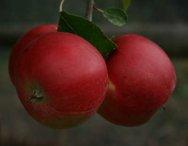
  • Irish Peach mini M27, 2011, 235953, Irish Peach mini M27 Irish Peach mini M27
    An old heritage variety from [surprise] Ireland, this variety is one of the earliest to ripen and may be eaten fresh from the tree at the turn of July/August.
    This Irish Peach tree is grown on miniature M27 stock. M27 is a rootstock that produces the smallest tree of all; maturing to around 180cm’s in height and width, this tree is ideal for a container or small garden, courtyard or allotment. It should be staked if in a windy or open position. Crops can exceed 20ibs per tree when established and this rootstock is quite precocious, often yielding the year following planting. Iris Peach - this very old variety has it’s origins traced to County Sligo in ireland, back in 1819. A valued early variety that can be enjpyed straight from the tree. Irish Peach miniature Apple tree – Season: Very early, pick and eat straight from the tree in early August, sometimes even earlier. Irish Peach - appearance: Circular to conical, small to medium in size, then pale yellow ground colour heavily flushed with dark red. Irish Peach apple trees – flavour: Good flavour; fresh and sprightly with a good balance of sweetness and acidity. Does not store. Uses: A fresh dessert apple. Cropping & Growth Vigorous, high yielding, partially tip bearing. Irish Peach - Pollination: ‘A’ pollination group, use varieties with the same or adjacent groups to pollinate successfully. Here are some suggested varieties: Beauty of Bath Egremont Russet Idared Granny Smith Greensleeves Christmas Pearmain
    Irish Peach miniature M27 Apple trees for sale This Irish Peach tree is grown on miniature M27 stock. M27 is a rootstock that produces the smallest tree of all; maturing to around 180cm’s in height and width, this tree is ideal for a container or small garden, courtyard or allotment. It should be staked if in a windy or open position. Crops can exceed 20ibs per tree when established and this rootstock is quite precocious, often yielding the year following planting. Iris Peach - this very old variety has it’s origins traced to County Sligo in ireland, back in 1819. A valued early variety that can be enjpyed straight from the tree. Irish Peach miniature Apple tree – Season: Very early, pick and eat straight from the tree in early August, sometimes even earlier. Irish Peach - appearance: Circular to conical, small to medium in size, then pale yellow ground colour heavily flushed with dark red. Irish Peach apple trees – flavour: Good flavour; fresh and sprightly with a good balance of sweetness and acidity. Does not store. Uses: A fresh dessert apple. Cropping & Growth Vigorous, high yielding, partially tip bearing. Irish Peach - Pollination: ‘A’ pollination group, use varieties with the same or adjacent groups to pollinate successfully. Here are some suggested varieties: Beauty of Bath Egremont Russet Idared Granny Smith Greensleeves Christmas Pearmain
    Miniature Apple Trees

  • Idared mini M27 tree, 2009, 235947, Idared mini M27 tree Idared mini M27 tree
    A true dual purpose tree that suits either use very well. Large, highly coloured fruits covered almost entirely in deep red but the inner flesh is white and quite dense. Stores very late.
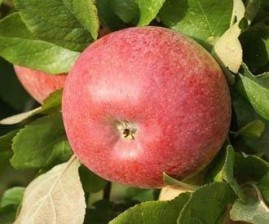
    This Idared apple tree is grown on miniature M27 stock. M27 is a rootstock that produces the smallest tree of all; maturing to around 180cm’s in height and width, this tree is ideal for a container or small garden, courtyard or allotment. It should be staked if in a windy or open position. Crops can exceed 20ibs per tree when established and this rootstock is quite precocious, often yielding the year following planting. Idared is a popular large dual purpose apple and a good garden apple tree. USA raised, 1942. Idared miniature Apple tree – Season: Idared is quite late and best havrested not before the end of October. The fruits are quite thick skinned and will stand light frosts on the tree. They will then keep in store until the Spring. Idared - appearance: Large and solid, brightly coloured with a glorious spread of rich crimson red over a green yellow base, Interior is virtually white. Idared apple trees – flavour: Light, sweet-savoury and pleasantly fruity. Cooked, needs little or no sugar and retains it’s shape. A very versatile apple and a good one to have in store. Uses: An excellent cooker but very much dual purpose too. More than acceptable for dessert in the Spring. Cropping & Growth The tree is moderately vigorous and fairly conservative. Hardy. Idared - Pollination: ‘A’ pollination group, use varieties with the same or adjacent groups to pollinate successfully. Here are some suggested varieties: Egremont Russet Beauty of Bath Elstar Christmas Pearmain Bountiful
    Idared miniature M27 Apple trees This Idared apple tree is grown on miniature M27 stock. M27 is a rootstock that produces the smallest tree of all; maturing to around 180cm’s in height and width, this tree is ideal for a container or small garden, courtyard or allotment. It should be staked if in a windy or open position. Crops can exceed 20ibs per tree when established and this rootstock is quite precocious, often yielding the year following planting. Idared is a popular large dual purpose apple and a good garden apple tree. USA raised, 1942. Idared miniature Apple tree – Season: Idared is quite late and best havrested not before the end of October. The fruits are quite thick skinned and will stand light frosts on the tree. They will then keep in store until the Spring. Idared - appearance: Large and solid, brightly coloured with a glorious spread of rich crimson red over a green yellow base, Interior is virtually white. Idared apple trees – flavour: Light, sweet-savoury and pleasantly fruity. Cooked, needs little or no sugar and retains it’s shape. A very versatile apple and a good one to have in store. Uses: An excellent cooker but very much dual purpose too. More than acceptable for dessert in the Spring. Cropping & Growth The tree is moderately vigorous and fairly conservative. Hardy. Idared - Pollination: ‘A’ pollination group, use varieties with the same or adjacent groups to pollinate successfully. Here are some suggested varieties: Egremont Russet Beauty of Bath Elstar Christmas Pearmain Bountiful
    Miniature Apple Trees
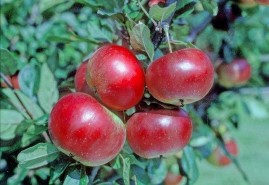
  • Herefordshire Russet mini M27, 2007, 235929, Herefordshire Russet mini M27 Herefordshire Russet mini M27
    A particularly good garden apple variety as it is self fertile, the russet fruits have a magnificent flavour and can be enjoyed from October onwards, a recommended variety.
    This Herefordshire Russet apple tree is grown on miniature M27 stock. M27 is a rootstock that produces the smallest tree of all; maturing to around 180cm’s in height and width, this tree is ideal for a container or small garden, courtyard or allotment. It should be staked if in a windy or open position. Crops can exceed 20ibs per tree when established and this rootstock is quite precocious, often yielding the year following planting Herefordshire Russet is a new variety to the range of russets with an exciting flavour that is proving to be an ideal garden variety. Herefordshire Russet miniature Apple tree – Season: Pick early October and enjoy until the new year. Herefordshire Russet Apple - appearance: Partly russetted in gold and cinnamon, but often not as heavily covered as some in this group. Cinnamon red blush may appear. Dense cream flesh. Herefordshire Russet apple trees – flavour: Superb. Akin to a Cox with an intense, complex and aromatic flavour that is hugely enjoyable. Uses: For use as a dessert apple. Cropping & Growth Medium vigour, regular cropping. Herefordshire Russet - Pollination: Partly self fertile so can be grown on it’s own. For full cropping potential this variety is in ‘B’ Pollination group, so use varieties with the same or adjacent pollinating prefixes.
    Herefordshire Russet miniature M27 Apple trees This Herefordshire Russet apple tree is grown on miniature M27 stock. M27 is a rootstock that produces the smallest tree of all; maturing to around 180cm’s in height and width, this tree is ideal for a container or small garden, courtyard or allotment. It should be staked if in a windy or open position. Crops can exceed 20ibs per tree when established and this rootstock is quite precocious, often yielding the year following planting Herefordshire Russet is a new variety to the range of russets with an exciting flavour that is proving to be an ideal garden variety. Herefordshire Russet miniature Apple tree – Season: Pick early October and enjoy until the new year. Herefordshire Russet Apple - appearance: Partly russetted in gold and cinnamon, but often not as heavily covered as some in this group. Cinnamon red blush may appear. Dense cream flesh. Herefordshire Russet apple trees – flavour: Superb. Akin to a Cox with an intense, complex and aromatic flavour that is hugely enjoyable. Uses: For use as a dessert apple. Cropping & Growth Medium vigour, regular cropping. Herefordshire Russet - Pollination: Partly self fertile so can be grown on it’s own. For full cropping potential this variety is in ‘B’ Pollination group, so use varieties with the same or adjacent pollinating prefixes.
    Miniature Apple Trees
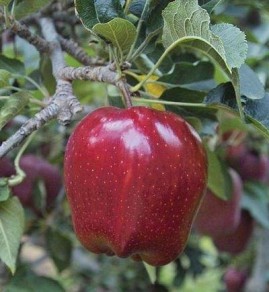
  • Louise Bonne de Jersey cordon tree, 2350, 236964, Louise Bonne de Jersey cordon tree Louise Bonne de Jersey cordon tree
    Nicely coloured and nicely flavouired fruits ripening during the second-early season. Makes a tidy, well foliated tree with nice blossom.
    Cordon Pear trees are a good choice for restricted areas and a fence or wall. They can be grown at a 45degree angle, or upright. The rootstock we use for our cordon is Quince C which is the best stock for cordon trees. Plant 60-80cm’s apart. This is a second early in season, this popular choice makes an attractive, upright, well foliated tree with fruits nicely coloured. Louise Bonne de Jersey cordon Pear Tree – season Mid September to early-mid October. Wait until the fruits have coloured well and will part from the tree easily before picking. Louise Bonne de Jersey Pear – appearance Traditional Pear shape, green/yellow smooth skinned and shinyl, the sunny side has a bold vermillion flush. Flavour When eaten at the correct stage is one of the finest Pears of all, tender and divinely sweet & juicy.. Louise Bonne de Jersey Pear – Pollination This variety belongs to the ‘A’ pollination group so will partner well with others in the same or adjacent groups. Here are some suggested varieties: Concorde Invincible Packhams Triumph Beurre Hardy Durondeau
    Louise Bonne de Jersey cordon tree Louise Bonne de Jersey cordon Pear Trees for sale Cordon Pear trees are a good choice for restricted areas and a fence or wall. They can be grown at a 45degree angle, or upright. The rootstock we use for our cordon is Quince C which is the best stock for cordon trees. Plant 60-80cm’s apart. This is a second early in season, this popular choice makes an attractive, upright, well foliated tree with fruits nicely coloured. Louise Bonne de Jersey cordon Pear Tree – season Mid September to early-mid October. Wait until the fruits have coloured well and will part from the tree easily before picking. Louise Bonne de Jersey Pear – appearance Traditional Pear shape, green/yellow smooth skinned and shinyl, the sunny side has a bold vermillion flush. Flavour When eaten at the correct stage is one of the finest Pears of all, tender and divinely sweet & juicy.. Louise Bonne de Jersey Pear – Pollination This variety belongs to the ‘A’ pollination group so will partner well with others in the same or adjacent groups. Here are some suggested varieties: Concorde Invincible Packhams Triumph Beurre Hardy Durondeau
    Cordon Pear Trees
  • Louise Bonne de Jersey fan espalier pear, 2293, 236961, Louise Bonne de Jersey fan espalier pear Louise Bonne de Jersey fan espalier pear
    Nicely coloured and nicely flavouired fruits ripening during the second-early season. Makes a tidy, well foliated tree with nice blossom.

    Louise Bonne de Jersey fan espalier pear

    Louise Bonne de Jersey Pear Trees for sale Espalier or fan Pear trees are used against a wall; you will need not less than 180 x 180cm’s for a fan or espalier tree. Please note we do not supply ready trained trees; this Louise Bonne de Jersey is a young tree suitable for training yourself, in situ. Such trees usually settle to cropping within 2 or 3 seasons. This is a second early in season, this popular choice makes an attractive, upright, well foliated tree with fruits nicely coloured. Louise Bonne de Jersey Pear Tree – season Mid September to early-mid October. Wait until the fruits have coloured well and will part from the tree easily before picking. Louise Bonne de Jersey Pear – appearance Traditional Pear shape, green/yellow smooth skinned and shinyl, the sunny side has a bold vermillion flush. Flavour When eaten at the correct stage is one of the finest Pears of all, tender and divinely sweet & juicy.. Louise Bonne de Jersey Pear – Pollination This variety belongs to the ‘A’ pollination group so will partner well with others in the same or adjacent groups. Here are some suggested varieties: Concorde Invincible Packhams Triumph Beurre Hardy Durondeau Tree sizes for Louise Bonne de Jersey Pear trees: Quince C rootstock Is the most compact stock generally used for Pears. It can be maintained at an easily harvested 180-260cm’s and can be planted around 150-180cm’s apart. Quince ‘C’ is easily the most satisfactory rootstock for garden use and can even be incorporated into a large – say 24” – container and kept on the patio. Such trees may be restricted below the 180cm mark. Quince A rootstock Is more vigorous than Quince ‘C’ and is ideal for orchard planting, grassy area’s and the larger border. It will grow to 250-350cm’s and should be planted not less than 250cm’s apart. A heavy cropping tree suitable for most good soils and situations.
    Louise Bonne de Jersey fan espalier pear Louise Bonne de Jersey Pear Trees for sale Espalier or fan Pear trees are used against a wall; you will need not less than 180 x 180cm’s for a fan or espalier tree. Please note we do not supply ready trained trees; this Louise Bonne de Jersey is a young tree suitable for training yourself, in situ. Such trees usually settle to cropping within 2 or 3 seasons. This is a second early in season, this popular choice makes an attractive, upright, well foliated tree with fruits nicely coloured. Louise Bonne de Jersey Pear Tree – season Mid September to early-mid October. Wait until the fruits have coloured well and will part from the tree easily before picking. Louise Bonne de Jersey Pear – appearance Traditional Pear shape, green/yellow smooth skinned and shinyl, the sunny side has a bold vermillion flush. Flavour When eaten at the correct stage is one of the finest Pears of all, tender and divinely sweet & juicy.. Louise Bonne de Jersey Pear – Pollination This variety belongs to the ‘A’ pollination group so will partner well with others in the same or adjacent groups. Here are some suggested varieties: Concorde Invincible Packhams Triumph Beurre Hardy Durondeau Tree sizes for Louise Bonne de Jersey Pear trees: Quince C rootstock Is the most compact stock generally used for Pears. It can be maintained at an easily harvested 180-260cm’s and can be planted around 150-180cm’s apart. Quince ‘C’ is easily the most satisfactory rootstock for garden use and can even be incorporated into a large – say 24” – container and kept on the patio. Such trees may be restricted below the 180cm mark. Quince A rootstock Is more vigorous than Quince ‘C’ and is ideal for orchard planting, grassy area’s and the larger border. It will grow to 250-350cm’s and should be planted not less than 250cm’s apart. A heavy cropping tree suitable for most good soils and situations.
    Fan Espalier Pears
  • Louise Bonne de Jersey pear trees, 2242, 236959, Louise Bonne de Jersey pear trees Louise Bonne de Jersey pear trees
    Nicely coloured and nicely flavouired fruits ripening during the second-early season. Makes a tidy, well foliated tree with nice blossom.
    Second early in season, this popular choice makes an attractive, upright, well foliated tree with fruits nicely coloured. Louise Bonne de Jersey Pear Tree – season Mid September to early-mid October. Wait until the fruits have coloured well and will part from the tree easily before picking. Louise Bonne de Jersey Pear – appearance Traditional Pear shape, green/yellow smooth skinned and shinyl, the sunny side has a bold vermillion flush. Flavour When eaten at the correct stage is one of the finest Pears of all, tender and divinely sweet & juicy.. Louise Bonne de Jersey Pear – Pollination This variety belongs to the ‘A’ pollination group so will partner well with others in the same or adjacent groups. Here are some suggested varieties: Concorde Invincible Packhams Triumph Beurre Hardy Durondeau Tree sizes for Louise Bonne de Jersey Pear trees: Quince C rootstock Is the most compact stock generally used for Pears. It can be maintained at an easily harvested 180-260cm’s and can be planted around 150-180cm’s apart. Quince ‘C’ is easily the most satisfactory rootstock for garden use and can even be incorporated into a large – say 24” – container and kept on the patio. Such trees may be restricted below the 180cm mark. Quince A rootstock Is more vigorous than Quince ‘C’ and is ideal for orchard planting, grassy area’s and the larger border. It will grow to 250-350cm’s and should be planted not less than 250cm’s apart. A heavy cropping tree suitable for most good soils and situations.
    Louise Bonne de Jersey pear trees Louise Bonne de Jersey Pear Trees for sale Second early in season, this popular choice makes an attractive, upright, well foliated tree with fruits nicely coloured. Louise Bonne de Jersey Pear Tree – season Mid September to early-mid October. Wait until the fruits have coloured well and will part from the tree easily before picking. Louise Bonne de Jersey Pear – appearance Traditional Pear shape, green/yellow smooth skinned and shinyl, the sunny side has a bold vermillion flush. Flavour When eaten at the correct stage is one of the finest Pears of all, tender and divinely sweet & juicy.. Louise Bonne de Jersey Pear – Pollination This variety belongs to the ‘A’ pollination group so will partner well with others in the same or adjacent groups. Here are some suggested varieties: Concorde Invincible Packhams Triumph Beurre Hardy Durondeau Tree sizes for Louise Bonne de Jersey Pear trees: Quince C rootstock Is the most compact stock generally used for Pears. It can be maintained at an easily harvested 180-260cm’s and can be planted around 150-180cm’s apart. Quince ‘C’ is easily the most satisfactory rootstock for garden use and can even be incorporated into a large – say 24” – container and kept on the patio. Such trees may be restricted below the 180cm mark. Quince A rootstock Is more vigorous than Quince ‘C’ and is ideal for orchard planting, grassy area’s and the larger border. It will grow to 250-350cm’s and should be planted not less than 250cm’s apart. A heavy cropping tree suitable for most good soils and situations.
    Pears for frosty areas
  • Louise Bonne de Jersey dwarf tree, 2072, 236965, Louise Bonne de Jersey dwarf tree Louise Bonne de Jersey dwarf tree
    A well foliated tidy tree with nice blossom, the delectably flavoured fruits ripen for September enjoyment.
    This tree is grown on dwarf Quince C stock which is compact and makes the smallest Pear tree of all. Trees can be maintained at around 180cm’s in height with a similar spread, perhaps a little less if contained in a 20” pot. The trees are easy to manage and easy to harvest! This is a second early in season, this popular choice makes an attractive, upright, well foliated tree with fruits nicely coloured. Louise Bonne de Jersey dwarf Pear Tree – season Mid September to early-mid October. Wait until the fruits have coloured well and will part from the tree easily before picking. Louise Bonne de Jersey Pear – appearance Traditional Pear shape, green/yellow smooth skinned and shinyl, the sunny side has a bold vermillion flush. Flavour When eaten at the correct stage is one of the finest Pears of all, tender and divinely sweet & juicy.. Louise Bonne de Jersey Pear – Pollination This variety belongs to the ‘A’ pollination group so will partner well with others in the same or adjacent groups. Here are some suggested varieties: Concorde Invincible Packhams Triumph Beurre Hardy Durondeau
    Louise Bonne de Jersey dwarf tree Louise Bonne de Jersey dwarf Pear Trees This tree is grown on dwarf Quince C stock which is compact and makes the smallest Pear tree of all. Trees can be maintained at around 180cm’s in height with a similar spread, perhaps a little less if contained in a 20” pot. The trees are easy to manage and easy to harvest! This is a second early in season, this popular choice makes an attractive, upright, well foliated tree with fruits nicely coloured. Louise Bonne de Jersey dwarf Pear Tree – season Mid September to early-mid October. Wait until the fruits have coloured well and will part from the tree easily before picking. Louise Bonne de Jersey Pear – appearance Traditional Pear shape, green/yellow smooth skinned and shinyl, the sunny side has a bold vermillion flush. Flavour When eaten at the correct stage is one of the finest Pears of all, tender and divinely sweet & juicy.. Louise Bonne de Jersey Pear – Pollination This variety belongs to the ‘A’ pollination group so will partner well with others in the same or adjacent groups. Here are some suggested varieties: Concorde Invincible Packhams Triumph Beurre Hardy Durondeau
    Dwarf Pear Trees
  • Doyenne du Comice dwarf Quince C, 2062, 236925, Doyenne du Comice dwarf Quince C Doyenne du Comice dwarf Quince C
    Bears very large good quality fruits renowned as being the best flavoured of all - but not easy to grow well unless the situation is favourable.
    This tree is grown on dwarf Quince C stock which is compact and makes the smallest Pear tree of all. Trees can be maintained at around 180cm’s in height with a similar spread, perhaps a little less if contained in a 20” pot. The trees are easy to manage and easy to harvest! Du Comice - raised from the first seed bed in the fruit garden of Comice Horticole, Angers, Department of Maine-et-Loire, France. First fruited in 1849 but did not reach Europe for some years later. Often considered the benchmark in quality and flavour for dessert Pears but needs ideal conditions to produce of it’s best. The trees can be slower coming into fruit than other varieties. Doyenne du Comice Pear Tree – season Doyenne du Comice should be harvested in late October and used from store about a month later, usually keeping until January. Doyenne du Comice Pear – appearance Large to very large, weighty, medium green becoming only slightly yellowish when ripe. Flavour Superb; becomes tender and extra-juicy with the perfect Pear flavour. Doyenne du Comice Pear – Pollination Doyenne du Comice is a triploid variety so needs two others to crop well. Here are some suggested varieties: Beth Improved Fertility Williams Bon Chretien Conference Concorde Invincible Tree sizes for Doyenne du Comice Pear trees: Quince C rootstock Is the most compact stock generally used for Pears. It can be maintained at an easily harvested 180-260cm’s and can be planted around 150-180cm’s apart. Quince ‘C’ is easily the most satisfactory rootstock for garden use and can even be incorporated into a large – say 24” – container and kept on the patio. Such trees may be restricted below the 180cm mark. Quince A rootstock Is more vigorous than Quince ‘C’ and is ideal for orchard planting, grassy area’s and the larger border. It will grow to 250-350cm’s and should be planted not less than 250cm’s apart. A heavy cropping tree suitable for most good soils and situations.
    Doyenne du Comice dwarf Quince C Doyenne du Comice dwarf Pear Trees for sale This tree is grown on dwarf Quince C stock which is compact and makes the smallest Pear tree of all. Trees can be maintained at around 180cm’s in height with a similar spread, perhaps a little less if contained in a 20” pot. The trees are easy to manage and easy to harvest! Du Comice - raised from the first seed bed in the fruit garden of Comice Horticole, Angers, Department of Maine-et-Loire, France. First fruited in 1849 but did not reach Europe for some years later. Often considered the benchmark in quality and flavour for dessert Pears but needs ideal conditions to produce of it’s best. The trees can be slower coming into fruit than other varieties. Doyenne du Comice Pear Tree – season Doyenne du Comice should be harvested in late October and used from store about a month later, usually keeping until January. Doyenne du Comice Pear – appearance Large to very large, weighty, medium green becoming only slightly yellowish when ripe. Flavour Superb; becomes tender and extra-juicy with the perfect Pear flavour. Doyenne du Comice Pear – Pollination Doyenne du Comice is a triploid variety so needs two others to crop well. Here are some suggested varieties: Beth Improved Fertility Williams Bon Chretien Conference Concorde Invincible Tree sizes for Doyenne du Comice Pear trees: Quince C rootstock Is the most compact stock generally used for Pears. It can be maintained at an easily harvested 180-260cm’s and can be planted around 150-180cm’s apart. Quince ‘C’ is easily the most satisfactory rootstock for garden use and can even be incorporated into a large – say 24” – container and kept on the patio. Such trees may be restricted below the 180cm mark. Quince A rootstock Is more vigorous than Quince ‘C’ and is ideal for orchard planting, grassy area’s and the larger border. It will grow to 250-350cm’s and should be planted not less than 250cm’s apart. A heavy cropping tree suitable for most good soils and situations.
    Dwarf Pear Trees
  • Cherry Trees Cherry Trees
  • Buy Pear Trees Pear Trees
  • Blog Blog
  • Apple trees - cooking varieties Apple trees - cooking varieties
  • Apricot trees Apricot trees
  • Apple trees - early varieties Apple trees - early varieties
  • Apple Trees - red fruited Apple Trees - red fruited
  • Apples - dual purpose varieties Apples - dual purpose varieties
  • Apples - late storing Apples - late storing

fruit-trees.com
01366386858