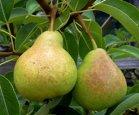
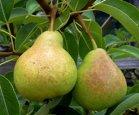
Search results

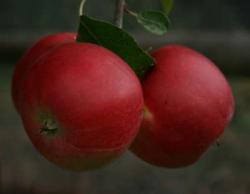
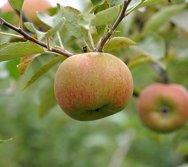
  • Howgate Wonder stepover, 1907, 235933, Howgate Wonder stepover Howgate Wonder stepover
    Howgate Wonder is a culinary variety with big, weighty fruits, when cooked they keep some texture and have a good flavour. Seaon Nov-Jan.
    Stepover trees are used primarily for edging a border or pathway or to divide the kitche/vegetable garden. These very tiny trees are just 18” in height with two side laterals from the main stem forming a capital ‘T’ shape. The stepover tree is an ormamental addition to your garden and these trees are grown on the smallest avaailable rootstock, M27. Plant 120-150cm’s apart. Howgate Wonder is one of the best cooking apple trees for garden or orchard, introduced from the Isle of Wight in 1929 from a Blenheim Orange x Newton Wonder cross. Highly recommended variety. Howgate Wonder stepover Apple tree – Season: The season of Howgate Wonder apples is genmerally from November to January. Howgate Wonder - appearance: Very large and weighty, deep green usually with a prominent maroon flush. Interior is cream-white. Howgate Wonder apple trees – flavour: Sweet and fruity. Keeps it’s shape more-or-less when cooked and turns a deeper shade of creamy yellow. Ideal for pies and recipes where the appearance of the end product is important. Also ideal for chutneys. Uses: A culinary apple. Cropping & Growth Vigorous, spreading with heavy reliable crops of very large fruit. Good disease resistance and a good variety for cold areas. Howgate Wonder - Pollination: ‘C’ pollination group, use varieties with the same or adjacent groups to pollinate successfully. Here are some suggestions: Charles Ross Allington Pippin Gala Catshead Falstaff Bountiful
    Howgate Wonder stepover Howgate Wonder stepover Apple trees for sale Stepover trees are used primarily for edging a border or pathway or to divide the kitche/vegetable garden. These very tiny trees are just 18” in height with two side laterals from the main stem forming a capital ‘T’ shape. The stepover tree is an ormamental addition to your garden and these trees are grown on the smallest avaailable rootstock, M27. Plant 120-150cm’s apart. Howgate Wonder is one of the best cooking apple trees for garden or orchard, introduced from the Isle of Wight in 1929 from a Blenheim Orange x Newton Wonder cross. Highly recommended variety. Howgate Wonder stepover Apple tree – Season: The season of Howgate Wonder apples is genmerally from November to January. Howgate Wonder - appearance: Very large and weighty, deep green usually with a prominent maroon flush. Interior is cream-white. Howgate Wonder apple trees – flavour: Sweet and fruity. Keeps it’s shape more-or-less when cooked and turns a deeper shade of creamy yellow. Ideal for pies and recipes where the appearance of the end product is important. Also ideal for chutneys. Uses: A culinary apple. Cropping & Growth Vigorous, spreading with heavy reliable crops of very large fruit. Good disease resistance and a good variety for cold areas. Howgate Wonder - Pollination: ‘C’ pollination group, use varieties with the same or adjacent groups to pollinate successfully. Here are some suggestions: Charles Ross Allington Pippin Gala Catshead Falstaff Bountiful
    Stepover Apple Trees
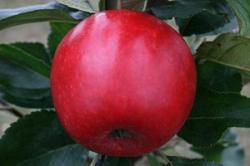
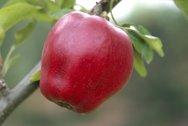
  • Charles Ross stepover, 1866, 235244, Charles Ross stepover Charles Ross stepover
    A famous garden variety with large Cox-type fruits only easier to grow. Highly recommended.
    Stepover trees are used primarily for edging a border or pathway or to divide the kitche/vegetable garden. These very tiny trees are just 18” in height with two side laterals from the main stem forming a capital ‘T’ shape. The stepover tree is an ormamental addition to your garden and these trees are grown on the smallest avaailable rootstock, M27. Plant 120-150cm’s apart Named in 1899 and of Berkshire origin. It’s fame has endured throughout the ensuing years and Charles Ross remains one of the most popular and well known of garden apple trees. Charles Ross stepover tree – Season: This variety should be harvested in October and eaten by Christmas to be enjoyed at it’s best. Charles Ross – appearance: Quite a large apple, especially for a dessert. Has the appearance and scent of a glorious brighter Cox’s with broken orange red stripes and stippling over a green gold base. Charles Ross stepover apple treesflavour: Well known for it’s flavour which is akin to a Cox’s, maybe slightly milder but still with plenty of intense aromatic quality and a good blend of acidity and sugar. Flesh is cream and slightly yielding. Uses: A dessert apple and also good for table decoration. Cropping & Growth A hardy tree of moderate vigour and also has good disease resistance, especially scab. Charles Ross - Pollination: Pollination group ‘C’ so pollinate with varieties in the same or adjacent groups.
    Charles Ross stepover Apple Trees for sale Stepover trees are used primarily for edging a border or pathway or to divide the kitche/vegetable garden. These very tiny trees are just 18” in height with two side laterals from the main stem forming a capital ‘T’ shape. The stepover tree is an ormamental addition to your garden and these trees are grown on the smallest avaailable rootstock, M27. Plant 120-150cm’s apart Named in 1899 and of Berkshire origin. It’s fame has endured throughout the ensuing years and Charles Ross remains one of the most popular and well known of garden apple trees. Charles Ross stepover tree – Season: This variety should be harvested in October and eaten by Christmas to be enjoyed at it’s best. Charles Ross – appearance: Quite a large apple, especially for a dessert. Has the appearance and scent of a glorious brighter Cox’s with broken orange red stripes and stippling over a green gold base. Charles Ross stepover apple trees – flavour: Well known for it’s flavour which is akin to a Cox’s, maybe slightly milder but still with plenty of intense aromatic quality and a good blend of acidity and sugar. Flesh is cream and slightly yielding. Uses: A dessert apple and also good for table decoration. Cropping & Growth A hardy tree of moderate vigour and also has good disease resistance, especially scab. Charles Ross - Pollination: Pollination group ‘C’ so pollinate with varieties in the same or adjacent groups.
    Stepover Apple Trees
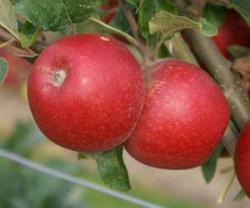
  • Beauty of Bath stepover, 1853, 235015, Beauty of Bath stepover Beauty of Bath stepover
    A very early variety suitable for eating straight from the tree - from late July. A very old Somerset variety.
    Stepover trees are used primarily for edging a border or pathway or to divide the kitche/vegetable garden. These very tiny trees are just 18” in height with two side laterals from the main stem forming a capital ‘T’ shape. The stepover tree is an ormamental addition to your garden and these trees are grown on the smallest avaailable rootstock, M27. Plant 120-150cm’s apart. Beauty of Bath  is one of the earliest ripening Apples of all; it was raised in Somerset in 1864. Beauty of Bath stepover Apple tree – Season: Very early. Harvest and enjoy straight from the tree, from late July. Does not last long in good condition so enjoy at once. Beauty of Bath Apple - appearance: Small to medium sized, mostly covered in a skin of deep red. Beauty of Bath stepover apple treesflavour: Sprightly, refreshing and juicy, becoming more bland with age. Uses: A dessert apple to enjoy straight from the tree. Although it does not keep at all, Beauty of Bath is well worth considering as the early fruits are well worth having. Cropping & Growth Reasonably vigorous but easily contained and easy to grow. Heavy cropping. Beauty of Bath - Pollination: Pollination group is ‘A’ so choose any varieties in that or adjacent ‘B’group to partner. Here are some suggested varieties James Grieve Limelight Egremont Russet Idared Red Devil Christmas Pearmain
    Beauty of Bath stepover Apple Tree  Stepover trees are used primarily for edging a border or pathway or to divide the kitche/vegetable garden. These very tiny trees are just 18” in height with two side laterals from the main stem forming a capital ‘T’ shape. The stepover tree is an ormamental addition to your garden and these trees are grown on the smallest avaailable rootstock, M27. Plant 120-150cm’s apart. Beauty of Bath  is one of the earliest ripening Apples of all; it was raised in Somerset in 1864. Beauty of Bath stepover Apple tree – Season: Very early. Harvest and enjoy straight from the tree, from late July. Does not last long in good condition so enjoy at once. Beauty of Bath Apple - appearance: Small to medium sized, mostly covered in a skin of deep red. Beauty of Bath stepover apple trees – flavour: Sprightly, refreshing and juicy, becoming more bland with age. Uses: A dessert apple to enjoy straight from the tree. Although it does not keep at all, Beauty of Bath is well worth considering as the early fruits are well worth having. Cropping & Growth Reasonably vigorous but easily contained and easy to grow. Heavy cropping. Beauty of Bath - Pollination: Pollination group is ‘A’ so choose any varieties in that or adjacent ‘B’group to partner. Here are some suggested varieties James Grieve Limelight Egremont Russet Idared Red Devil Christmas Pearmain
    Stepover Apple Trees
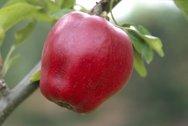
  • Red Windsor cordon tree, 1809, , Red Windsor cordon tree Red Windsor cordon tree
    A very good new variety with attractive, well flavoured fruits., The complex flavour has elements of Cox to it and the blossom is self polinating; no other trees are needed to provide the flavourful fruits. The fruits may be eaten from September through to November. A freely spurring tree ideal for cordon work.
    Cordon Apple trees are a good choice for restricted areas and a fence or wall. They can be grown at a 45degree angle, or upright. The rootstock we use for our cordon Red Windsor is M9 which is the best stock for cordon trees. Plant 60-80cm’s apart Red Windsor is an excellent new variety with some characteristics that make it the perfect garden variety. Red Windsor is a red sport of ‘Alkmene’ [itself an excellent variety] that came by way of Cox’s. Red Windsor could be described as having a Cox-type flavour. It is also self fertile & naturally compact. Red Windsor cordon Apple tree – Season: Harvest mid September, stores until November. Red Windsor- appearance: A beautiful medium sized apple heavily dressed in red. Red Windsor  apple treesflavour: Good texture, nicely crisp but not woody. The cream flesh is well balanced with sugars and acidity and has honeyed and aromatic notes. Nicely scented. Uses: Dessert, juice and table decoration. Cropping & Growth A small, compact grower with neat round headed growth. Seems to devote it’s energies to cropping. Red Windsor- Pollination: Red Windsor is itself self pollinating so needs no other varieties to crop well. It is itself in pollination group ‘B’ so will help pollinate varieties in the same or adjacent groups.
    Red Windsor cordon Apple trees for sale Cordon Apple trees are a good choice for restricted areas and a fence or wall. They can be grown at a 45degree angle, or upright. The rootstock we use for our cordon Red Windsor is M9 which is the best stock for cordon trees. Plant 60-80cm’s apart Red Windsor is an excellent new variety with some characteristics that make it the perfect garden variety. Red Windsor is a red sport of ‘Alkmene’ [itself an excellent variety] that came by way of Cox’s. Red Windsor could be described as having a Cox-type flavour. It is also self fertile & naturally compact. Red Windsor cordon Apple tree – Season: Harvest mid September, stores until November. Red Windsor- appearance: A beautiful medium sized apple heavily dressed in red. Red Windsor  apple trees – flavour: Good texture, nicely crisp but not woody. The cream flesh is well balanced with sugars and acidity and has honeyed and aromatic notes. Nicely scented. Uses: Dessert, juice and table decoration. Cropping & Growth A small, compact grower with neat round headed growth. Seems to devote it’s energies to cropping. Red Windsor- Pollination: Red Windsor is itself self pollinating so needs no other varieties to crop well. It is itself in pollination group ‘B’ so will help pollinate varieties in the same or adjacent groups.
    Cordon Apple Trees
  • Jonathan cordon tree, 1707, , Jonathan cordon tree Jonathan cordon tree
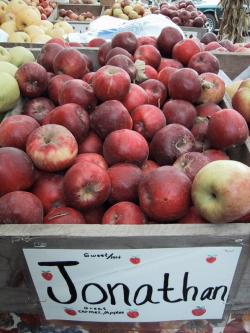
    This American variety has a very handsome deep mahogany red skin finish and a fine, sweet flavour. It needs to be left to mature as long as possible on the tree; harvest i  November for use through January.
    Cordon Apple trees are a good choice for restricted areas and a fence or wall. They can be grown at a 45degree angle, or upright. The rootstock we use for our cordon is M9 which is the best stock for cordon trees. Plant 60-80cm’s apart. Jonathan is one of the most famous varieties in America where it was first known in the early 1800’s but wasn’t known in England for some 40 years and has never become as well known here. In the USA it is widely valued as a dual purpose variety, considered equally good for baking and pies as well as dessert. Jonathan cordon Apple tree – Season: Needs a long ripening season to show at it’s best. Harvest in late October/early November and use from store until February. Jonathan - appearance: A very highly coloured and attractive apple of medium size, the yellow ground colour usually obliterated by a covering of dark maroon red, the skin has a dusky bloom. Jonathan apple treesflavour: On a good year, soft and sweet with a slight vinous quality yet with an underlying sprightliness. Uses: In the UK usually considered only for dessert but can certainly be cooked with. Cropping & Growth Medium growth, older trees develop characteristic drooping branches. Cropping usually good. Jonathan - Pollination: ‘B’ pollination group, use varieties with the same or adjacent groups to pollinate successfully - here are some suggestions Gala Empire Discovery James Grieve Grenadier Greensleeves Cox's Orange Pippin
    Jonathan cordon Apple trees Cordon Apple trees are a good choice for restricted areas and a fence or wall. They can be grown at a 45degree angle, or upright. The rootstock we use for our cordon is M9 which is the best stock for cordon trees. Plant 60-80cm’s apart. Jonathan is one of the most famous varieties in America where it was first known in the early 1800’s but wasn’t known in England for some 40 years and has never become as well known here. In the USA it is widely valued as a dual purpose variety, considered equally good for baking and pies as well as dessert. Jonathan cordon Apple tree – Season: Needs a long ripening season to show at it’s best. Harvest in late October/early November and use from store until February. Jonathan - appearance: A very highly coloured and attractive apple of medium size, the yellow ground colour usually obliterated by a covering of dark maroon red, the skin has a dusky bloom. Jonathan apple trees – flavour: On a good year, soft and sweet with a slight vinous quality yet with an underlying sprightliness. Uses: In the UK usually considered only for dessert but can certainly be cooked with. Cropping & Growth Medium growth, older trees develop characteristic drooping branches. Cropping usually good. Jonathan - Pollination: ‘B’ pollination group, use varieties with the same or adjacent groups to pollinate successfully - here are some suggestions Gala Empire Discovery James Grieve Grenadier Greensleeves Cox's Orange Pippin
    Cordon Apple Trees
  • Jonagold fan espalier, 1573, , Jonagold fan espalier Jonagold fan espalier
    Medium to large, nicely coloured fruits with a very satisfying crisp and juicy texture. Crops heavily; easy to grow and vigorous. Season Oct-January.
    Espalier or fan trees are used against a wall; you will need not less than 180 x 180cm’s for a fan or espalier tree. Please note we do not supply ready trained trees; this Jonagold is a young tree suitable for training yourself, in situ. Such trees usually settle to cropping within 2 or 3 seasons Jonagold is a very important variety commercially, and one of the better supermarket apples. Raised in the U.S.A in 1968 from a Jonathan x Golden Delicious cross. It soon spread globally and is grown all over Europe and has received an Award of Garden Merit from the R.H.S. Jonagold Apple tree – Season: Harvest Jonagold mid October, keeps in store until February or sometimes later with care. Jonagold - appearance: At it’s best an attractive apple, although colouring can be variable. Pale green yellow, an oval apple variably covered by a bright orange red flush. Flesh is very crisp and cream. Jonagold apple treesflavour: Firm and juicy with a wonderful crispy bite. Plenty oif juice, plenty of sugar but with a satisfying light underlying acidity to give it balance. Very enjoyable to eat. Uses: For dessert use. Cropping & Growth Vigorous variety and spreading. Capable of giving heavy crops reliably. Jonagold - Pollination: This is a triploid variety that ideally needs two others to pollinate and yield fully. Here are some suggested varieties: Greensleeves Gala Golden Delicious Falstaff Bountiful Fortune
    Jonagold fan espalier Apple trees for sale Espalier or fan trees are used against a wall; you will need not less than 180 x 180cm’s for a fan or espalier tree. Please note we do not supply ready trained trees; this Jonagold is a young tree suitable for training yourself, in situ. Such trees usually settle to cropping within 2 or 3 seasons Jonagold is a very important variety commercially, and one of the better supermarket apples. Raised in the U.S.A in 1968 from a Jonathan x Golden Delicious cross. It soon spread globally and is grown all over Europe and has received an Award of Garden Merit from the R.H.S. Jonagold Apple tree – Season: Harvest Jonagold mid October, keeps in store until February or sometimes later with care. Jonagold - appearance: At it’s best an attractive apple, although colouring can be variable. Pale green yellow, an oval apple variably covered by a bright orange red flush. Flesh is very crisp and cream. Jonagold apple trees – flavour: Firm and juicy with a wonderful crispy bite. Plenty oif juice, plenty of sugar but with a satisfying light underlying acidity to give it balance. Very enjoyable to eat. Uses: For dessert use. Cropping & Growth Vigorous variety and spreading. Capable of giving heavy crops reliably. Jonagold - Pollination: This is a triploid variety that ideally needs two others to pollinate and yield fully. Here are some suggested varieties: Greensleeves Gala Golden Delicious Falstaff Bountiful Fortune
    Fan and Espalier Apple Trees
  • Irish Peach fan espalier, 1560, , Irish Peach fan espalier Irish Peach fan espalier
    A beautiful old heritage variety that does indeed come from Ireland. One of the earliest to ripen, pick and eat straight fom the tree late July/early August.
    Espalier or fan trees are used against a wall; you will need not less than 180 x 180cm’s for a fan or espalier tree. Please note we do not supply ready trained trees; thisIrish Peach is a young tree suitable for training yourself, in situ. Such trees usually settle to cropping within 2 or 3 seasons Iris Peach - this very old variety has it’s origins traced to County Sligo in ireland, back in 1819. A valued early variety that can be enjpyed straight from the tree. Irish Peach Apple tree – Season: Very early, pick and eat straight from the tree in early August, sometimes even earlier. Irish Peach - appearance: Circular to conical, small to medium in size, then pale yellow ground colour heavily flushed with dark red. Irish Peach apple treesflavour: Good flavour; fresh and sprightly with a good balance of sweetness and acidity. Does not store. Uses: A fresh dessert apple. Cropping & Growth Vigorous, high yielding, partially tip bearing. Irish Peach - Pollination: ‘A’ pollination group, use varieties with the same or adjacent groups to pollinate successfully. Here are some suggested varieties: Creensleeves Idared Greensleeves Egremont Russet Christmas Pearmain Granny Smith Tree sizes for Irish Peach apple trees: M27 is a miniature stock, ideal for very small gardens, pots on the patio etc. Grows to around 180cm’s. Good hearty soil is preferred. M9 is classed as dwarfing and a good intermiate stock. Matures to 200cm’s plus with a similar spread. M9 is heavy cropping and promotes larger fruits, but needs permanent staking and good soil. M26 stock Is classed as semi-dwarfing. Does well on poorer soil. Reaches 300cm’s+ with the same spread. MM106 is vigorous and the best choice for where a larger ‘orchard sized’ tree is required. Grows 4m+ with the same spread and suitable for most soils.
    Irish Peach fan espalier Apple trees for sale Espalier or fan trees are used against a wall; you will need not less than 180 x 180cm’s for a fan or espalier tree. Please note we do not supply ready trained trees; thisIrish Peach is a young tree suitable for training yourself, in situ. Such trees usually settle to cropping within 2 or 3 seasons Iris Peach - this very old variety has it’s origins traced to County Sligo in ireland, back in 1819. A valued early variety that can be enjpyed straight from the tree. Irish Peach Apple tree – Season: Very early, pick and eat straight from the tree in early August, sometimes even earlier. Irish Peach - appearance: Circular to conical, small to medium in size, then pale yellow ground colour heavily flushed with dark red. Irish Peach apple trees – flavour: Good flavour; fresh and sprightly with a good balance of sweetness and acidity. Does not store. Uses: A fresh dessert apple. Cropping & Growth Vigorous, high yielding, partially tip bearing. Irish Peach - Pollination: ‘A’ pollination group, use varieties with the same or adjacent groups to pollinate successfully. Here are some suggested varieties: Creensleeves Idared Greensleeves Egremont Russet Christmas Pearmain Granny Smith Tree sizes for Irish Peach apple trees: M27 is a miniature stock, ideal for very small gardens, pots on the patio etc. Grows to around 180cm’s. Good hearty soil is preferred. M9 is classed as dwarfing and a good intermiate stock. Matures to 200cm’s plus with a similar spread. M9 is heavy cropping and promotes larger fruits, but needs permanent staking and good soil. M26 stock Is classed as semi-dwarfing. Does well on poorer soil. Reaches 300cm’s+ with the same spread. MM106 is vigorous and the best choice for where a larger ‘orchard sized’ tree is required. Grows 4m+ with the same spread and suitable for most soils.
    Fan and Espalier Apple Trees

  • Bountiful stepover, 1855, 235102, Bountiful stepover Bountiful stepover
    A very good cooking apple for the garden or orchard; easy to grow, productive and with a sweeter flavour than many cookers.
    Stepover trees are used primarily for edging a border or pathway or to divide the kitche/vegetable garden. These very tiny trees are just 18” in height with two side laterals from the main stem forming a capital ‘T’ shape. The stepover tree is an ormamental addition to your garden and these trees are grown on the smallest avaailable rootstock, M27. Plant 120-150cm’s apart. One of the best garden cookers, being fertile, easy to pollinate, trouble free and prolific. Bountiful apple tree was raised by EMRS Kent in 1964 from a cross between Cox’s Orange and Lanes Prince Albert. Bountiful stepover – Season: Harvest from early October; stores very well – into the Spring. Bountiful stepover tree – appearance: Medium sized, shiny skin of clean medium green, with just the occassional brownish orange flush on the sunny side. Bountiful apple treesflavour: Much sweeter than most cookers, it can be enjoyed without the addition of sugar. When cooked keeps some shape but is tender and juicy. Uses: Bountiful is a dynamic variety, being a very good culinary apple but is sweet enough for dessert use also later on. Cropping & Growth A compact and freely spurring little tree that is hardy and quite disease resistant. Bountiful - Pollination: Pollination group is ‘B’ so choose any varieties in that group to partner. Bountiful is generally easy to pollinate with many other varieties, and also a good polinator itself.
    Bountiful Stepover Apple Trees Stepover trees are used primarily for edging a border or pathway or to divide the kitche/vegetable garden. These very tiny trees are just 18” in height with two side laterals from the main stem forming a capital ‘T’ shape. The stepover tree is an ormamental addition to your garden and these trees are grown on the smallest avaailable rootstock, M27. Plant 120-150cm’s apart. One of the best garden cookers, being fertile, easy to pollinate, trouble free and prolific. Bountiful apple tree was raised by EMRS Kent in 1964 from a cross between Cox’s Orange and Lanes Prince Albert. Bountiful stepover – Season: Harvest from early October; stores very well – into the Spring. Bountiful stepover tree – appearance: Medium sized, shiny skin of clean medium green, with just the occassional brownish orange flush on the sunny side. Bountiful apple trees – flavour: Much sweeter than most cookers, it can be enjoyed without the addition of sugar. When cooked keeps some shape but is tender and juicy. Uses: Bountiful is a dynamic variety, being a very good culinary apple but is sweet enough for dessert use also later on. Cropping & Growth A compact and freely spurring little tree that is hardy and quite disease resistant. Bountiful - Pollination: Pollination group is ‘B’ so choose any varieties in that group to partner. Bountiful is generally easy to pollinate with many other varieties, and also a good polinator itself.
    Stepover Apple Trees
  • Red Windsor fan espalier, 1634, , Red Windsor fan espalier Red Windsor fan espalier
    An excellent recent introduction with jolly red highly coloured fruits, not all glitz and glamour, they have a full-on taste reminiscnet of Cox's at it's best. Flowers are self-fertile so no need for polinators. Mid Sept-Nov eating.
    Espalier or fan trees are used against a wall; you will need not less than 180 x 180cm’s for a fan or espalier tree. Please note we do not supply ready trained trees; this Red Windsor apple tree is a young tree suitable for training yourself, in situ. Such trees usually settle to cropping within 2 or 3 seasons. Red Windsor - An excellent new variety with some characteristics that make it the perfect garden variety. Red Windsor is a red sport of ‘Alkmene’ [itself an excellent variety] that came by way of Cox’s. Red Windsor could be described as having a Cox-type flavour. It is also self fertile & naturally compact. Red Windsor Apple tree – Season: Harvest mid September, stroes until November. Red Windsor- appearance: A beautiful medium sized apple heavily dressed in red. Red Windsor  apple treesflavour: Good texture, nicely crisp but not woody. The cream flesh is well balanced with sugars and acidity and has honeyed and aromatic notes. Nicely scented. Uses: Dessert, juice and table decoration. Cropping & Growth A small, compact grower with neat round headed growth. Seems to devote it’s energies to cropping. Red Windsor- Pollination: Red Windsor is itself self pollinating so needs no other varieties to crop well. It is itself in pollination group ‘B’ so will help pollinate varieties in the same or adjacent groups.
    ed WindsorApple trees for sale Espalier or fan trees are used against a wall; you will need not less than 180 x 180cm’s for a fan or espalier tree. Please note we do not supply ready trained trees; this Red Windsor apple tree is a young tree suitable for training yourself, in situ. Such trees usually settle to cropping within 2 or 3 seasons. Red Windsor - An excellent new variety with some characteristics that make it the perfect garden variety. Red Windsor is a red sport of ‘Alkmene’ [itself an excellent variety] that came by way of Cox’s. Red Windsor could be described as having a Cox-type flavour. It is also self fertile & naturally compact. Red Windsor Apple tree – Season: Harvest mid September, stroes until November. Red Windsor- appearance: A beautiful medium sized apple heavily dressed in red. Red Windsor  apple trees – flavour: Good texture, nicely crisp but not woody. The cream flesh is well balanced with sugars and acidity and has honeyed and aromatic notes. Nicely scented. Uses: Dessert, juice and table decoration. Cropping & Growth A small, compact grower with neat round headed growth. Seems to devote it’s energies to cropping. Red Windsor- Pollination: Red Windsor is itself self pollinating so needs no other varieties to crop well. It is itself in pollination group ‘B’ so will help pollinate varieties in the same or adjacent groups.
    Fan and Espalier Apple Trees
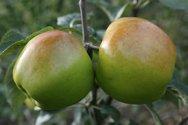
  • Katy stepover tree, 1910, 235980, Katy stepover tree Katy stepover tree
    Katy is a good second early variety and well suited to frosty areas as well as being generally easy to grow. The brilliant red fruits have a good flavour and are fit from Mid September.
    Stepover trees are used primarily for edging a border or pathway or to divide the kitche/vegetable garden. These very tiny trees are just 18” in height with two side laterals from the main stem forming a capital ‘T’ shape. The stepover tree is an ormamental addition to your garden and these trees are grown on the smallest avaailable rootstock, M27. Plant 120-150cm’s apart. Syn Katja. Swedish raised in the 1940’s from a Worcester x James Grieve cross. A very popular garden variety that suits all area’s including the North. Katy Apple stepover tree – Season: Katy can be harvested in early September and keeps well, for an early, may be used into October. Katy - appearance: Broadly conical with white inner flesh and a shiny deep maroon red skin colour almost obliterating the base colour. Katy apple trees – flavour: Sweet and fruity with a slight hint of strawberries but has retained a little of the balancing acidity of James Grieve. Uses: For dessert use and also juicing. Cropping & Growth Vigorous and healthy. A good cropper and frost hardy. Katy - Pollination: ‘B’ pollination group, use varieties with the same or adjacent groups to pollinate successfully. Here are some suggested varieties: Greensleeves James Grieve Crimson Queening Arthur Turner Cox's Orange Pippin
    Katy stepover tree Katy Apple stepover trees for sale Stepover trees are used primarily for edging a border or pathway or to divide the kitche/vegetable garden. These very tiny trees are just 18” in height with two side laterals from the main stem forming a capital ‘T’ shape. The stepover tree is an ormamental addition to your garden and these trees are grown on the smallest avaailable rootstock, M27. Plant 120-150cm’s apart. Syn Katja. Swedish raised in the 1940’s from a Worcester x James Grieve cross. A very popular garden variety that suits all area’s including the North. Katy Apple stepover tree – Season: Katy can be harvested in early September and keeps well, for an early, may be used into October. Katy - appearance: Broadly conical with white inner flesh and a shiny deep maroon red skin colour almost obliterating the base colour. Katy apple trees – flavour: Sweet and fruity with a slight hint of strawberries but has retained a little of the balancing acidity of James Grieve. Uses: For dessert use and also juicing. Cropping & Growth Vigorous and healthy. A good cropper and frost hardy. Katy - Pollination: ‘B’ pollination group, use varieties with the same or adjacent groups to pollinate successfully. Here are some suggested varieties: Greensleeves James Grieve Crimson Queening Arthur Turner Cox's Orange Pippin
    Stepover Apple Trees
  • Rubinette fan espalier, 1648, , Rubinette fan espalier Rubinette fan espalier
    A recent introduction from Switzerland. The fruits will keep in store and may be eaten into the new year. Very good flavour.
    Espalier or fan trees are used against a wall; you will need not less than 180 x 180cm’s for a fan or espalier tree. Please note we do not supply ready trained trees; this Rubinette is a young tree suitable for training yourself, in situ. Such trees usually settle to cropping within 2 or 3 seasons. Rubinette is a modern apple from Switzerland which has a deserved fan-following for it’s excellent flavour. Rubinette cordon tree – Season: Pick from the tree in late September and stores until the New Year. Rubinette – appearance: Usually quite brightly coloured with a handsome red flush over green-yellow. Rubinette apple treesflavour: Rich and slightly aromatic, Cox-like at it’s best. Uses: For dessert use primarily. Cropping & Growth Moderately vigorous and cold hardy; can be slow to get going. Rubinette - Pollination: Pollination group ‘B’ so pollinate with varieties in the same or adjacent groups. Here are some suggested varieties: Red Pippin Bountiful Grenadier Redsleeves Bakers Delicious Falstaff
    Rubinette Apple fan espalier Trees for sale Espalier or fan trees are used against a wall; you will need not less than 180 x 180cm’s for a fan or espalier tree. Please note we do not supply ready trained trees; this Rubinette is a young tree suitable for training yourself, in situ. Such trees usually settle to cropping within 2 or 3 seasons. Rubinette is a modern apple from Switzerland which has a deserved fan-following for it’s excellent flavour. Rubinette cordon tree – Season: Pick from the tree in late September and stores until the New Year. Rubinette – appearance: Usually quite brightly coloured with a handsome red flush over green-yellow. Rubinette apple trees – flavour: Rich and slightly aromatic, Cox-like at it’s best. Uses: For dessert use primarily. Cropping & Growth Moderately vigorous and cold hardy; can be slow to get going. Rubinette - Pollination: Pollination group ‘B’ so pollinate with varieties in the same or adjacent groups. Here are some suggested varieties: Red Pippin Bountiful Grenadier Redsleeves Bakers Delicious Falstaff
    Fan and Espalier Apple Trees
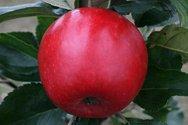
  • Katy fan espalier tree, 1583, , Katy fan espalier tree Katy fan espalier tree
    A very frost resistant second early variety with a good flavour. Ripens mid September and stores for a month or more, unusual for an early. Easy to grow and a favourite.
    Espalier or fan trees are used against a wall; you will need not less than 180 x 180cm’s for a fan or espalier tree. Please note we do not supply ready trained trees; this Katy is a young tree suitable for training yourself, in situ. Such trees usually settle to cropping within 2 or 3 seasons. Syn Katja. Swedish raised in the 1940’s from a Worcester x James Grieve cross. A very popular garden variety that suits all area’s including the North. Katy Apple tree – Season: Katy can be harvested in early September and keeps well, for an early, may be used into October. Katy - appearance: Broadly conical with white inner flesh and a shiny deep maroon red skin colour almost obliterating the base colour. Katy apple treesflavour: Sweet and fruity with a slight hint of strawberries but has retained a little of the balancing acidity of James Grieve. Uses: For dessert use and also juicing. Cropping & Growth Vigorous and healthy. A good cropper and frost hardy. Katy - Pollination: ‘B’ pollination group, use varieties with the same or adjacent groups to pollinate successfully.  Here are some suggested varieties: James Grieve Jester Greensleeves Crimson Queening Arthur Turner Cox's Orange Pippin
    Katy Apple fan espalier trees for sale Espalier or fan trees are used against a wall; you will need not less than 180 x 180cm’s for a fan or espalier tree. Please note we do not supply ready trained trees; this Katy is a young tree suitable for training yourself, in situ. Such trees usually settle to cropping within 2 or 3 seasons. Syn Katja. Swedish raised in the 1940’s from a Worcester x James Grieve cross. A very popular garden variety that suits all area’s including the North. Katy Apple tree – Season: Katy can be harvested in early September and keeps well, for an early, may be used into October. Katy - appearance: Broadly conical with white inner flesh and a shiny deep maroon red skin colour almost obliterating the base colour. Katy apple trees – flavour: Sweet and fruity with a slight hint of strawberries but has retained a little of the balancing acidity of James Grieve. Uses: For dessert use and also juicing. Cropping & Growth Vigorous and healthy. A good cropper and frost hardy. Katy - Pollination: ‘B’ pollination group, use varieties with the same or adjacent groups to pollinate successfully.  Here are some suggested varieties: James Grieve Jester Greensleeves Crimson Queening Arthur Turner Cox's Orange Pippin
    Fan and Espalier Apple Trees
  • Red Windsor mini M27, 2232, 236355, Red Windsor mini M27 Red Windsor mini M27
    This new variety is  anatrually compact tree, so with the ingluence of the mini M27 rootstock, it makes an ideal tree for the patio. The naturally spurring habit provides a wealth of self fertile flowers - and a bountiful crop of well flavoured fruits too. Ready for eating mid September, and can usually be used for about 2 months.
    This tree is grown on miniature M27 stock. M27 is a rootstock that produces the smallest tree of all; maturing to around 180cm’s in height and width, this tree is ideal for a container or small garden, courtyard or allotment. It should be staked if in a windy or open position. Crops can exceed 20ibs per tree when established and this rootstock is quite precocious, often yielding the year following planting Red Windsor is an excellent new variety with some characteristics that make it the perfect garden variety. Red Windsor is a red sport of ‘Alkmene’ [itself an excellent variety] that came by way of Cox’s. Red Windsor could be described as having a Cox-type flavour. It is also self fertile & naturally compact. Red Windsor miniature Apple tree – Season: Harvest mid September, stroes until November. Red Windsor- appearance: A beautiful medium sized apple heavily dressed in red. Red Windsor  apple treesflavour: Good texture, nicely crisp but not woody. The cream flesh is well balanced with sugars and acidity and has honeyed and aromatic notes. Nicely scented. Uses: Dessert, juice and table decoration. Cropping & Growth A small, compact grower with neat round headed growth. Seems to devote it’s energies to cropping. Red Windsor- Pollination: Red Windsor is itself self pollinating so needs no other varieties to crop well. It is itself in pollination group ‘B’ so will help pollinate varieties in the same or adjacent groups. Delivery information
    Red Windsor miniature M27 Apple trees for sale This tree is grown on miniature M27 stock. M27 is a rootstock that produces the smallest tree of all; maturing to around 180cm’s in height and width, this tree is ideal for a container or small garden, courtyard or allotment. It should be staked if in a windy or open position. Crops can exceed 20ibs per tree when established and this rootstock is quite precocious, often yielding the year following planting Red Windsor is an excellent new variety with some characteristics that make it the perfect garden variety. Red Windsor is a red sport of ‘Alkmene’ [itself an excellent variety] that came by way of Cox’s. Red Windsor could be described as having a Cox-type flavour. It is also self fertile & naturally compact. Red Windsor miniature Apple tree – Season: Harvest mid September, stroes until November. Red Windsor- appearance: A beautiful medium sized apple heavily dressed in red. Red Windsor  apple trees – flavour: Good texture, nicely crisp but not woody. The cream flesh is well balanced with sugars and acidity and has honeyed and aromatic notes. Nicely scented. Uses: Dessert, juice and table decoration. Cropping & Growth A small, compact grower with neat round headed growth. Seems to devote it’s energies to cropping. Red Windsor- Pollination: Red Windsor is itself self pollinating so needs no other varieties to crop well. It is itself in pollination group ‘B’ so will help pollinate varieties in the same or adjacent groups. Delivery information
    Miniature Apple Trees
  • Crimson Queening Miniature M27, 1977, 235322, Crimson Queening Miniature M27 Crimson Queening Miniature M27
    An apple with a handsome colour, early ripening with a distinctly floral character to it's flavour.
    This Crimson Queening tree is grown on miniature M27 stock. M27 is a rootstock that produces the smallest tree of all; maturing to around 180cm’s in height and width, this tree is ideal for a container or small garden, courtyard or allotment. It should be staked if in a windy or open position. Crops can exceed 20ibs per tree when established and this rootstock is quite precocious, often yielding the year following planting Crimson Queening is an interesting old variety from 1831 that is ideal for those who prefer apples with a yielding texture. Sometimes known as Crimson Quoining. Crimson Queening Miniature M27 tree – Season: Suitable for eating from early September and will keep until October. Crimson Queening – appearance: Lives up to it’s name, the fruits are medium to large in size and almost entirely covered in a rich, shining dark red. Crimson Queening – flavour Creamy white inside, the texture is tender and juicy, as befits an apple with a distinctly scented, floral quality to it’s flavour. Uses: Dessert use only. Very ornamental fruits. Cropping & Growth Low to medium vigour, slightly spreading habit. . Crimson Queening - Pollination: Pollination group ‘C’ so pollinate with varieties in the same or adjacent groups. Here are some good suggestions: Cox's Orange Pippin Cornish Aromatic Charles Ross Catshead Bountiful Court of Wick
    Crimson Queening miniature M27 Apple Trees for sale This Crimson Queening tree is grown on miniature M27 stock. M27 is a rootstock that produces the smallest tree of all; maturing to around 180cm’s in height and width, this tree is ideal for a container or small garden, courtyard or allotment. It should be staked if in a windy or open position. Crops can exceed 20ibs per tree when established and this rootstock is quite precocious, often yielding the year following planting Crimson Queening is an interesting old variety from 1831 that is ideal for those who prefer apples with a yielding texture. Sometimes known as Crimson Quoining. Crimson Queening Miniature M27 tree – Season: Suitable for eating from early September and will keep until October. Crimson Queening – appearance: Lives up to it’s name, the fruits are medium to large in size and almost entirely covered in a rich, shining dark red. Crimson Queening – flavour Creamy white inside, the texture is tender and juicy, as befits an apple with a distinctly scented, floral quality to it’s flavour. Uses: Dessert use only. Very ornamental fruits. Cropping & Growth Low to medium vigour, slightly spreading habit. . Crimson Queening - Pollination: Pollination group ‘C’ so pollinate with varieties in the same or adjacent groups. Here are some good suggestions: Cox's Orange Pippin Cornish Aromatic Charles Ross Catshead Bountiful Court of Wick
    Miniature Apple Trees
  • Court Pendu Plat M27, 1972, 235274, Court Pendu Plat M27 Court Pendu Plat M27
    Delectably flavoured small appples, has some russet on the skin. Stores late.
    This tree is grown on miniature M27 stock. M27 is a rootstock that produces the smallest tree of all; maturing to around 180cm’s in height and width, this tree is ideal for a container or small garden, courtyard or allotment. It should be staked if in a windy or open position. Crops can exceed 20ibs per tree when established and this rootstock is quite precocious, often yielding the year following planting. Court Pendu Plat is possibly one of the oldest known cultivars. A small little tree of European origin which was once favoured for orjamental potted display in Victorian gardens. The fruits are quite small but deliciously flavoured. Court Pendu miniature tree – Season: Late; harvest in November & has good storage qualities, for use well into the Spring. Court Pendu Plat – appearance: An apple of modest size but nonetheless attractive; the greenish gold base is flushed heavily with coppery red, partly covered by a handsome golden russet. Court Pendu Plat apple trees – flavour: Enticingly complex at it’s best, strongly aromatic with hints of pineapple and spice. Mellows later but still strongly fruity. Uses: A dessert apple and also for table decoration. Cropping & Growth A rotten little grower, even trees on vigorous rootstocks are small so take this into account when perusing the rootstock growth expectancies below. Trees of this variety can remain stunted looking unless well treated. Can be a challenge to grow well. Court Pendu Plat - Pollination: Late flowering. Pollination group ‘D’ so pollinate with varieties in the same or adjacent groups.
    Court Pendu Plat miniature M27Apple Trees This tree is grown on miniature M27 stock. M27 is a rootstock that produces the smallest tree of all; maturing to around 180cm’s in height and width, this tree is ideal for a container or small garden, courtyard or allotment. It should be staked if in a windy or open position. Crops can exceed 20ibs per tree when established and this rootstock is quite precocious, often yielding the year following planting. Court Pendu Plat is possibly one of the oldest known cultivars. A small little tree of European origin which was once favoured for orjamental potted display in Victorian gardens. The fruits are quite small but deliciously flavoured. Court Pendu miniature tree – Season: Late; harvest in November & has good storage qualities, for use well into the Spring. Court Pendu Plat – appearance: An apple of modest size but nonetheless attractive; the greenish gold base is flushed heavily with coppery red, partly covered by a handsome golden russet. Court Pendu Plat apple trees – flavour: Enticingly complex at it’s best, strongly aromatic with hints of pineapple and spice. Mellows later but still strongly fruity. Uses: A dessert apple and also for table decoration. Cropping & Growth A rotten little grower, even trees on vigorous rootstocks are small so take this into account when perusing the rootstock growth expectancies below. Trees of this variety can remain stunted looking unless well treated. Can be a challenge to grow well. Court Pendu Plat - Pollination: Late flowering. Pollination group ‘D’ so pollinate with varieties in the same or adjacent groups.
    Miniature Apple Trees
  • Crimson Queening stepover, 1868, 235320, Crimson Queening stepover Crimson Queening stepover
    A variety with a beautiful appearance and a beautiful distinct flavour. Early ripening.
    Stepover trees are used primarily for edging a border or pathway or to divide the kitche/vegetable garden. These very tiny trees are just 18” in height with two side laterals from the main stem forming a capital ‘T’ shape. The stepover tree is an ormamental addition to your garden and these trees are grown on the smallest avaailable rootstock, M27. Plant 120-150cm’s apart. Crimson Queening is an interesting old variety from 1831 that is ideal for those who prefer apples with a yielding texture. Sometimes known as Crimson Quoining. Crimson Queening – Season: Suitable for eating from early September and will keep until October. Crimson Queening – appearance: Lives up to it’s name, the fruits are medium to large in size and almost entirely covered in a rich, shining dark red. Crimson Queening – flavour Creamy white inside, the texture is tender and juicy, as befits an apple with a distinctly scented, floral quality to it’s flavour. Uses: Dessert use only. Very ornamental fruits. Cropping & Growth Low to medium vigour, slightly spreading habit. . Crimson Queening - Pollination: Pollination group ‘C’ so pollinate with varieties in the same or adjacent groups. Here are some good suggested pollinators: American Mother Bountiful Allington Pippin Charles Ross Court of Wick
    Crimson Queening stepover Crimson Queening stepover Apple Trees for sale Stepover trees are used primarily for edging a border or pathway or to divide the kitche/vegetable garden. These very tiny trees are just 18” in height with two side laterals from the main stem forming a capital ‘T’ shape. The stepover tree is an ormamental addition to your garden and these trees are grown on the smallest avaailable rootstock, M27. Plant 120-150cm’s apart. Crimson Queening is an interesting old variety from 1831 that is ideal for those who prefer apples with a yielding texture. Sometimes known as Crimson Quoining. Crimson Queening – Season: Suitable for eating from early September and will keep until October. Crimson Queening – appearance: Lives up to it’s name, the fruits are medium to large in size and almost entirely covered in a rich, shining dark red. Crimson Queening – flavour Creamy white inside, the texture is tender and juicy, as befits an apple with a distinctly scented, floral quality to it’s flavour. Uses: Dessert use only. Very ornamental fruits. Cropping & Growth Low to medium vigour, slightly spreading habit. . Crimson Queening - Pollination: Pollination group ‘C’ so pollinate with varieties in the same or adjacent groups. Here are some good suggested pollinators: American Mother Bountiful Allington Pippin Charles Ross Court of Wick
    Stepover Apple Trees
  • Onward cordon, 2356, 236975, Onward cordon Onward cordon
    This English raised Pear is a good performer and produces fruits of a high quality. Superb flavour.
    Cordon Pear trees are a good choice for restricted areas and a fence or wall. They can be grown at a 45degree angle, or upright. The rootstock we use for our cordon Onward pear is Quince C which is the best stock for cordon trees. Plant 60-80cm’s apart. Onward was trialled at The National Fruit Trials [where it performed very strongly] notes this English raised Pear as a cross between Laxton Superb [Pear, not apple] and Doyenne de Comice. Onward is an excellent newcomer with some impressive qualities. Onward cordon Pear Tree – season Mid-late September and into October.. Onward Pear – appearance Medium to large in size, pale green-yellow, some russet patches and an attractive pinkish red blush on the sunny side. Very good uniformity and quality. Flavour Similar to Doyenne du Comice, rich, melting and supremely juicy. Onward Pear – Pollination This variety belongs in ‘C’ pollination group & will pollinate readily with varieties in the same or adjacent groups. Here are some suggested varieties: Beth Beurre Hardy Concorde Invincible Improved Fertility Williams bon Chretien
    Onward cordon Onward cordon Pear Trees Cordon Pear trees are a good choice for restricted areas and a fence or wall. They can be grown at a 45degree angle, or upright. The rootstock we use for our cordon Onward pear is Quince C which is the best stock for cordon trees. Plant 60-80cm’s apart. Onward was trialled at The National Fruit Trials [where it performed very strongly] notes this English raised Pear as a cross between Laxton Superb [Pear, not apple] and Doyenne de Comice. Onward is an excellent newcomer with some impressive qualities. Onward cordon Pear Tree – season Mid-late September and into October.. Onward Pear – appearance Medium to large in size, pale green-yellow, some russet patches and an attractive pinkish red blush on the sunny side. Very good uniformity and quality. Flavour Similar to Doyenne du Comice, rich, melting and supremely juicy. Onward Pear – Pollination This variety belongs in ‘C’ pollination group & will pollinate readily with varieties in the same or adjacent groups. Here are some suggested varieties: Beth Beurre Hardy Concorde Invincible Improved Fertility Williams bon Chretien
    Cordon Pear Trees
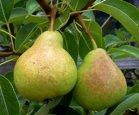
  • Onward stepover, 2324, 236974, Onward stepover Onward stepover
    Onward stepover
    Stepover trees are used primarily for edging a border or pathway or to divide the kitchen/vegetable garden. These very tiny trees are just 18” in height with two side laterals from the main stem forming a capital ‘T’ shape. The stepover tree is an ormamental addition to your garden and these trees are grown on the Quince C rootstock. Plant 120-150cm’s apart. Onward was trialled at The National Fruit Trials [where it performed very strongly] notes this English raised Pear as a cross between Laxton Superb [Pear, not apple] and Doyenne de Comice. Onward is an excellent newcomer with some impressive qualities. Onward stepover Pear Tree – season Mid-late September and into October.. Onward Pear – appearance Medium to large in size, pale green-yellow, some russet patches and an attractive pinkish red blush on the sunny side. Very good uniformity and quality. Flavour Similar to Doyenne du Comice, rich, melting and supremely juicy. Onward Pear – Pollination This variety belongs in ‘C’ pollination group & will pollinate readily with varieties in the same or adjacent groups. Here are some suggested varieties: Beth Beurre Hardy Concorde Invincible Improved Fertility Williams bon Chretien
    Onward stepover Onward stepover Pear Trees Stepover trees are used primarily for edging a border or pathway or to divide the kitchen/vegetable garden. These very tiny trees are just 18” in height with two side laterals from the main stem forming a capital ‘T’ shape. The stepover tree is an ormamental addition to your garden and these trees are grown on the Quince C rootstock. Plant 120-150cm’s apart. Onward was trialled at The National Fruit Trials [where it performed very strongly] notes this English raised Pear as a cross between Laxton Superb [Pear, not apple] and Doyenne de Comice. Onward is an excellent newcomer with some impressive qualities. Onward stepover Pear Tree – season Mid-late September and into October.. Onward Pear – appearance Medium to large in size, pale green-yellow, some russet patches and an attractive pinkish red blush on the sunny side. Very good uniformity and quality. Flavour Similar to Doyenne du Comice, rich, melting and supremely juicy. Onward Pear – Pollination This variety belongs in ‘C’ pollination group & will pollinate readily with varieties in the same or adjacent groups. Here are some suggested varieties: Beth Beurre Hardy Concorde Invincible Improved Fertility Williams bon Chretien
    Stepover Pear Trees
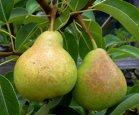
  • Onward fan espalier pear, 2304, 236973, Onward fan espalier pear Onward fan espalier pear
    Medium-large fruits of excellent uniformity and quality, rich, buttery flavour that is simply divine. A good performer, English raised. Mid season.

    Onward fan espalier pear

    Onward fan espalier Pear Trees Espalier or fan Pear trees are used against a wall; you will need not less than 180 x 180cm’s for a fan or espalier tree. Please note we do not supply ready trained trees; this Onward is a young tree suitable for training yourself, in situ. Such trees usually settle to cropping within 2 or 3 seasons. Onward was trialled at The National Fruit Trials [where it performed very strongly] notes this English raised Pear as a cross between Laxton Superb [Pear, not apple] and Doyenne de Comice. Onward is an excellent newcomer with some impressive qualities. Onward fan espalier Pear Tree – season Mid-late September and into October.. Onward Pear – appearance Medium to large in size, pale green-yellow, some russet patches and an attractive pinkish red blush on the sunny side. Very good uniformity and quality. Flavour Similar to Doyenne du Comice, rich, melting and supremely juicy. Onward Pear – Pollination This variety belongs in ‘C’ pollination group & will pollinate readily with varieties in the same or adjacent groups. Here are some suggested varieties: Beth Beurre Hardy Concorde Invincible Improved Fertility Williams bon Chretien
    Onward fan espalier pear Onward fan espalier Pear Trees Espalier or fan Pear trees are used against a wall; you will need not less than 180 x 180cm’s for a fan or espalier tree. Please note we do not supply ready trained trees; this Onward is a young tree suitable for training yourself, in situ. Such trees usually settle to cropping within 2 or 3 seasons. Onward was trialled at The National Fruit Trials [where it performed very strongly] notes this English raised Pear as a cross between Laxton Superb [Pear, not apple] and Doyenne de Comice. Onward is an excellent newcomer with some impressive qualities. Onward fan espalier Pear Tree – season Mid-late September and into October.. Onward Pear – appearance Medium to large in size, pale green-yellow, some russet patches and an attractive pinkish red blush on the sunny side. Very good uniformity and quality. Flavour Similar to Doyenne du Comice, rich, melting and supremely juicy. Onward Pear – Pollination This variety belongs in ‘C’ pollination group & will pollinate readily with varieties in the same or adjacent groups. Here are some suggested varieties: Beth Beurre Hardy Concorde Invincible Improved Fertility Williams bon Chretien
    Fan Espalier Pears
  • Onward dwarf Pear tree, 2074, 236976, Onward dwarf Pear tree Onward dwarf Pear tree
    Ideal as a small tree on Quince C stock, Onward bears medium to large fruits with an intensely flavoursome, juicy flesh. Very good quality fruits, a superb variety.
    This tree is grown on dwarf Quince C stock which is compact and makes the smallest Pear tree of all. Trees can be maintained at around 180cm’s in height with a similar spread, perhaps a little less if contained in a 20” pot. The trees are easy to manage and easy to harvest! Onward was trialled at The National Fruit Trials [where it performed very strongly] notes this English raised Pear as a cross between Laxton Superb [Pear, not apple] and Doyenne de Comice. Onward is an excellent newcomer with some impressive qualities. Onward Quince C Pear Tree – season Mid-late September and into October.. Onward Pear – appearance Medium to large in size, pale green-yellow, some russet patches and an attractive pinkish red blush on the sunny side. Very good uniformity and quality. Flavour Similar to Doyenne du Comice, rich, melting and supremely juicy. Onward Pear – Pollination This variety belongs in ‘C’ pollination group & will pollinate readily with varieties in the same or adjacent groups. Here are some suggested varieties: Beth Beurre Hardy Concorde Invincible Improved Fertility Williams bon Chretien
    Onward dwarf Pear tree Onward dwarf Pear Trees This tree is grown on dwarf Quince C stock which is compact and makes the smallest Pear tree of all. Trees can be maintained at around 180cm’s in height with a similar spread, perhaps a little less if contained in a 20” pot. The trees are easy to manage and easy to harvest! Onward was trialled at The National Fruit Trials [where it performed very strongly] notes this English raised Pear as a cross between Laxton Superb [Pear, not apple] and Doyenne de Comice. Onward is an excellent newcomer with some impressive qualities. Onward Quince C Pear Tree – season Mid-late September and into October.. Onward Pear – appearance Medium to large in size, pale green-yellow, some russet patches and an attractive pinkish red blush on the sunny side. Very good uniformity and quality. Flavour Similar to Doyenne du Comice, rich, melting and supremely juicy. Onward Pear – Pollination This variety belongs in ‘C’ pollination group & will pollinate readily with varieties in the same or adjacent groups. Here are some suggested varieties: Beth Beurre Hardy Concorde Invincible Improved Fertility Williams bon Chretien
    Dwarf Pear Trees

fruit-trees.com
01366386858