Search results

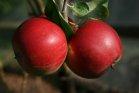
  • Gala stepover tree, 1887, 235807, Gala stepover tree Gala stepover tree
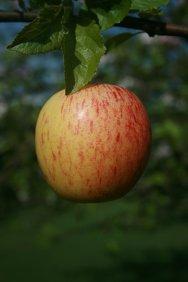
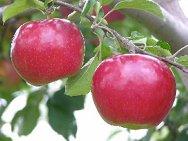
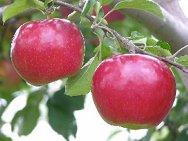
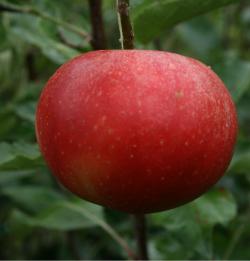
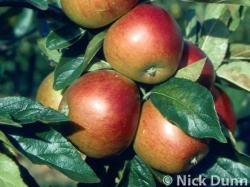
    Prettily blushed, crisp, juicy and mild, sweet fruits which will store. A favourite variety - origins New Zealand.
    Stepover trees are used primarily for edging a border or pathway or to divide the kitche/vegetable garden. These very tiny trees are just 18” in height with two side laterals from the main stem forming a capital ‘T’ shape. The stepover tree is an ormamental addition to your garden and these trees are grown on the smallest avaailable rootstock, M27. Plant 120-150cm’s apart One of the most famous Apples worldwide, and a great favourite, especially with those who prefer mild, sweet apples. Gala has it’s origins in New Zealand, where it was introduced circa 1965 from a Kidds Orange x Golden Delicious cross. Gala Apple stepover tree – Season: Harvest in October; will store for several weeks. Gala Apple - appearance: Classically shaped, richly blushed and striped red. Various more highly coloured sports have been introreuced and these tend to be the types favoured by Supermarkets. Gala apple trees – flavour: Very sweet, mild, can be slightly scented. Crisp and juicy. Uses: A classic dessert apple. Cropping & Growth Medium vigour, can be disease prone. Gala - Pollination: ‘C’ Pollination group, so use varieties with the same or adjacent pollinating prefixes. Here are some suggested varieties: Cox's Orange Cornish Gilliflower Bountiful Charles Ross Braeburn Empire
    Gala stepover tree Gala stepover Apple trees for sale Stepover trees are used primarily for edging a border or pathway or to divide the kitche/vegetable garden. These very tiny trees are just 18” in height with two side laterals from the main stem forming a capital ‘T’ shape. The stepover tree is an ormamental addition to your garden and these trees are grown on the smallest avaailable rootstock, M27. Plant 120-150cm’s apart One of the most famous Apples worldwide, and a great favourite, especially with those who prefer mild, sweet apples. Gala has it’s origins in New Zealand, where it was introduced circa 1965 from a Kidds Orange x Golden Delicious cross. Gala Apple stepover tree – Season: Harvest in October; will store for several weeks. Gala Apple - appearance: Classically shaped, richly blushed and striped red. Various more highly coloured sports have been introreuced and these tend to be the types favoured by Supermarkets. Gala apple trees – flavour: Very sweet, mild, can be slightly scented. Crisp and juicy. Uses: A classic dessert apple. Cropping & Growth Medium vigour, can be disease prone. Gala - Pollination: ‘C’ Pollination group, so use varieties with the same or adjacent pollinating prefixes. Here are some suggested varieties: Cox's Orange Cornish Gilliflower Bountiful Charles Ross Braeburn Empire
    Stepover Apple Trees
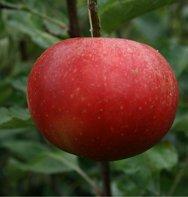
  • Court of Wick stepover, 1867, 235268, Court of Wick stepover Court of Wick stepover
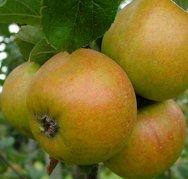
    A traditional Somerset variety with a rich taste and does well everywhere. Mid season.
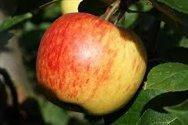
    Stepover trees are used primarily for edging a border or pathway or to divide the kitche/vegetable garden. These very tiny trees are just 18” in height with two side laterals from the main stem forming a capital ‘T’ shape. The stepover tree is an ormamental addition to your garden and these trees are grown on the smallest avaailable rootstock, M27. Plant 120-150cm’s apart. Court of Wick is a Somerset apple of considerable antiquity. Fruits are small with an intense flavour and this is a hardy tree that has been recommended for more exposed sites. Court of Wick apple tree – Season: Harvest from late September, usually stores until December. Court of Wick – appearance: Small, golden fruits flushed and mottled red, some russet patches. Court of Wick apple trees – flavour: Intense, juicy and fruity. Flesh is dense and crisp. Uses: For dessert use, also as a table apple. Cropping & Growth Hardy, vigorous, prolific. Good for the north and exposed positions. Court of Wick - Pollination: Pollination group ‘B’ so pollinate with varieties in the same or adjacent groups.
    Court of Wick stepover Court of Wick stepover Apple Trees Stepover trees are used primarily for edging a border or pathway or to divide the kitche/vegetable garden. These very tiny trees are just 18” in height with two side laterals from the main stem forming a capital ‘T’ shape. The stepover tree is an ormamental addition to your garden and these trees are grown on the smallest avaailable rootstock, M27. Plant 120-150cm’s apart. Court of Wick is a Somerset apple of considerable antiquity. Fruits are small with an intense flavour and this is a hardy tree that has been recommended for more exposed sites. Court of Wick apple tree – Season: Harvest from late September, usually stores until December. Court of Wick – appearance: Small, golden fruits flushed and mottled red, some russet patches. Court of Wick apple trees – flavour: Intense, juicy and fruity. Flesh is dense and crisp. Uses: For dessert use, also as a table apple. Cropping & Growth Hardy, vigorous, prolific. Good for the north and exposed positions. Court of Wick - Pollination: Pollination group ‘B’ so pollinate with varieties in the same or adjacent groups.
    Stepover Apple Trees
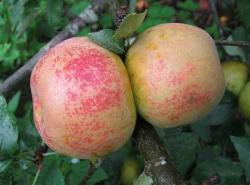
  • Blenheim Orange stepover, 1854, 235021, Blenheim Orange stepover Blenheim Orange stepover
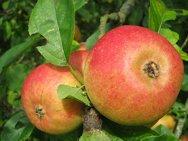
    An old English variety that originated in Oxfordshire. Large and versatile, suits dual purpose. Very good flavour, the large fruits store well.
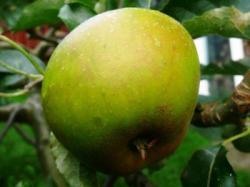
    Stepover trees are used primarily for edging a border or pathway or to divide the kitche/vegetable garden. These very tiny trees are just 18” in height with two side laterals from the main stem forming a capital ‘T’ shape. The stepover tree is an ormamental addition to your garden and these trees are grown on the smallest avaailable rootstock, M27. Plant 120-150cm’s apart. Blenheim Orange is a very old variety discovered in Oxfordshire in the 1700’s, Blenheim Orange is one of the most famous English apples. Blenheim Orange stepover Apple tree – Season: Mid-late Season; harvest in November and enjoy through January. Blenheim Orange Apple - appearance: A large dull yellow apple with some red flush. Blenheim Orange stepover apple treesflavour: Sub-acid to almost savoury with a slight nuttiness. Not too sweet yet not too tart, it strikes a good balance and is a very good eating variety with a crumbly cream flesh. Uses: Very much known as a dual purpose variety, has very fine eating qualities for dessert but also cooks well so a very useful variety to have. Cropping & Growth Vigorous and easy to grow, largely healthy. Partly tip-bearing so better as a bush tree. Blenheim Orange - Pollination: This variety is a Triploid so is best grown with two other mid season flowering varieties to achieve full cropping potential.
    Blenheim Orange stepover Apple Tree  Stepover trees are used primarily for edging a border or pathway or to divide the kitche/vegetable garden. These very tiny trees are just 18” in height with two side laterals from the main stem forming a capital ‘T’ shape. The stepover tree is an ormamental addition to your garden and these trees are grown on the smallest avaailable rootstock, M27. Plant 120-150cm’s apart. Blenheim Orange is a very old variety discovered in Oxfordshire in the 1700’s, Blenheim Orange is one of the most famous English apples. Blenheim Orange stepover Apple tree – Season: Mid-late Season; harvest in November and enjoy through January. Blenheim Orange Apple - appearance: A large dull yellow apple with some red flush. Blenheim Orange stepover apple trees – flavour: Sub-acid to almost savoury with a slight nuttiness. Not too sweet yet not too tart, it strikes a good balance and is a very good eating variety with a crumbly cream flesh. Uses: Very much known as a dual purpose variety, has very fine eating qualities for dessert but also cooks well so a very useful variety to have. Cropping & Growth Vigorous and easy to grow, largely healthy. Partly tip-bearing so better as a bush tree. Blenheim Orange - Pollination: This variety is a Triploid so is best grown with two other mid season flowering varieties to achieve full cropping potential.
    Stepover Apple Trees
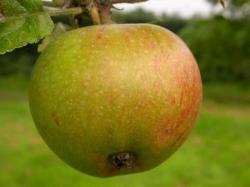
  • Meridian cordon tree, 1769, , Meridian cordon tree Meridian cordon tree
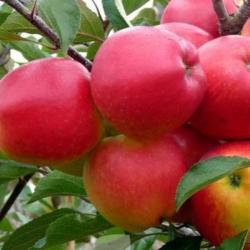
    A new variety that is really very heavy cropping and has a pleasing flavour. An ideal variety for the main mid season picking period; very disease resistant. Recommended!
    Cordon Apple trees are a good choice for restricted areas and a fence or wall. They can be grown at a 45degree angle, or upright. The rootstock we use for our cordon Meridian is M9 which is the best stock for cordon trees. Plant 60-80cm’s apart. Meridian was raised at EMRS Kent in1872. A very good modern apple for garden growing. A good yield from an easily grown tree. Meridian Apple tree – Season: Harvest early October, will keep into February in good condition. Meridian - appearance: Medijm sized and quite highly coloured with handsome raspberry red flushing. Meridian apple treesflavour: Generally sweet and lightly aromatic; prefferred by many Cox eaters. Keeps well in storage with little loss of quality. Uses: Dessert use Cropping & Growth Medium grower, can be quite angularly branched. Hardy and generally disease free. Meridian - Pollination: ‘B’ pollination group, use varieties with the same or adjacent groups to pollinate successfully.  Here are some suggested varieties: Falstaff Katy Lobo Arthur Turner Discovery Grenadier
    Meridian cordon Apple trees Cordon Apple trees are a good choice for restricted areas and a fence or wall. They can be grown at a 45degree angle, or upright. The rootstock we use for our cordon Meridian is M9 which is the best stock for cordon trees. Plant 60-80cm’s apart. Meridian was raised at EMRS Kent in1872. A very good modern apple for garden growing. A good yield from an easily grown tree. Meridian Apple tree – Season: Harvest early October, will keep into February in good condition. Meridian - appearance: Medijm sized and quite highly coloured with handsome raspberry red flushing. Meridian apple trees – flavour: Generally sweet and lightly aromatic; prefferred by many Cox eaters. Keeps well in storage with little loss of quality. Uses: Dessert use Cropping & Growth Medium grower, can be quite angularly branched. Hardy and generally disease free. Meridian - Pollination: ‘B’ pollination group, use varieties with the same or adjacent groups to pollinate successfully.  Here are some suggested varieties: Falstaff Katy Lobo Arthur Turner Discovery Grenadier
    Cordon Apple Trees
  • Lombarts Calville cordon, 1759, 236150, Lombarts Calville cordon Lombarts Calville cordon
    A classic European cooking variety that is very versatile and has an excellent flavour. Stores until February; hardy & well worth growing.
    Cordon Apple trees are a good choice for restricted areas and a fence or wall. They can be grown at a 45degree angle, or upright. The rootstock we use for our cordon Lombarts Calville is M9 which is the best stock for cordon trees. Plant 60-80cm’s apart. A Dutch cooking variety raised in the 1900’s and which remains a popular cooker in Europe. A very good, reliable culinary variety. Lombarts Calville Apple tree – Season: Can be picked mid October and used through to Fenruary. Lombarts Calville - appearance: Medium sized, conical pale green/yellow throughout. . Lombarts Calville apple treesflavour: One of the best tasting cookers, rich, fruity and intense with plenty of juice. The yellow flesh retains some shape but is quite tender. Suits many applications. Uses: Although favoured as a cooking apple, can be enejoyed for dessert after Christmas. Cropping & Growth A goood tree of medium vigour, well branched and hardy. Lombarts Calville - Pollination: ‘B’ pollination group, use varieties with the same or adjacent groups to pollinate successfully.  Here are some suggested varieties: Keswick Codlin Kidds Orange Red Limelight James Grieve Katy Grenadier
    Lombarts Calville cordon Apple trees Cordon Apple trees are a good choice for restricted areas and a fence or wall. They can be grown at a 45degree angle, or upright. The rootstock we use for our cordon Lombarts Calville is M9 which is the best stock for cordon trees. Plant 60-80cm’s apart. A Dutch cooking variety raised in the 1900’s and which remains a popular cooker in Europe. A very good, reliable culinary variety. Lombarts Calville Apple tree – Season: Can be picked mid October and used through to Fenruary. Lombarts Calville - appearance: Medium sized, conical pale green/yellow throughout. . Lombarts Calville apple trees – flavour: One of the best tasting cookers, rich, fruity and intense with plenty of juice. The yellow flesh retains some shape but is quite tender. Suits many applications. Uses: Although favoured as a cooking apple, can be enejoyed for dessert after Christmas. Cropping & Growth A goood tree of medium vigour, well branched and hardy. Lombarts Calville - Pollination: ‘B’ pollination group, use varieties with the same or adjacent groups to pollinate successfully.  Here are some suggested varieties: Keswick Codlin Kidds Orange Red Limelight James Grieve Katy Grenadier
    Cordon Apple Trees
  • Irish Peach cordon, 1678, , Irish Peach cordon Irish Peach cordon
    Very early variety, ready to eat from the tree from late July. Lovely flavour, an old variety.
    Cordon Apple trees are a good choice for restricted areas and a fence or wall. They can be grown at a 45degree angle, or upright. The rootstock we use for our cordon is M9 which is the best stock for cordon trees. Plant 60-80cm’s apart. Iris Peach - this very old variety has it’s origins traced to County Sligo in ireland, back in 1819. A valued early variety that can be enjpyed straight from the tree. Irish Peach cordon Apple tree – Season: Very early, pick and eat straight from the tree in early August, sometimes even earlier. Irish Peach - appearance: Circular to conical, small to medium in size, then pale yellow ground colour heavily flushed with dark red. Irish Peach apple treesflavour: Good flavour; fresh and sprightly with a good balance of sweetness and acidity. Does not store. Uses: A fresh dessert apple. Cropping & Growth Vigorous, high yielding, partially tip bearing. Irish Peach - Pollination: ‘A’ pollination group, use varieties with the same or adjacent groups to pollinate successfully.  Here are some suggested varieties: Beauty of Bath Greensleeves Egremont Russet Christmas Pearmain Idared Granny Smith
    Irish Peach cordon Apple trees for sale Cordon Apple trees are a good choice for restricted areas and a fence or wall. They can be grown at a 45degree angle, or upright. The rootstock we use for our cordon is M9 which is the best stock for cordon trees. Plant 60-80cm’s apart. Iris Peach - this very old variety has it’s origins traced to County Sligo in ireland, back in 1819. A valued early variety that can be enjpyed straight from the tree. Irish Peach cordon Apple tree – Season: Very early, pick and eat straight from the tree in early August, sometimes even earlier. Irish Peach - appearance: Circular to conical, small to medium in size, then pale yellow ground colour heavily flushed with dark red. Irish Peach apple trees – flavour: Good flavour; fresh and sprightly with a good balance of sweetness and acidity. Does not store. Uses: A fresh dessert apple. Cropping & Growth Vigorous, high yielding, partially tip bearing. Irish Peach - Pollination: ‘A’ pollination group, use varieties with the same or adjacent groups to pollinate successfully.  Here are some suggested varieties: Beauty of Bath Greensleeves Egremont Russet Christmas Pearmain Idared Granny Smith
    Cordon Apple Trees
  • Laxtons Superb fan espalier, 1588, , Laxtons Superb fan espalier Laxtons Superb fan espalier
    A very good perennial favourite, the quality fruits have a handsome purple red flush and a fantastic creamy flavour. Stores late.
    Espalier or fan trees are used against a wall; you will need not less than 180 x 180cm’s for a fan or espalier tree. Please note we do not supply ready trained trees; this Laxtons Superb is a young tree suitable for training yourself, in situ. Such trees usually settle to cropping within 2 or 3 seasons. Bedfordshire apple, late 1800’s. A good Cox replacement but easier to grow. Useful storer. Laxtons Superb fan espalier Apple tree – Season: Pick from the tree around mid October, will store in good condition until January and sometimes longer. . Laxtons Superb - appearance: Medium to large in size with handsome purple red flush over pale green. White flesh, Laxtons Superb apple treesflavour: A Cox type apple with some of that varieties complexity and aroma, but generally sweeter with a firm white flesh. Uses: Dessert use. Cropping & Growth Vigorous grower, especially in the early years. Hardy, productive and easy to grow. Laxtons Superb - Pollination: ‘B’ pollination group, use varieties with the same or adjacent groups to pollinate successfully.
    Laxtons Superb fan espalier Apple trees Espalier or fan trees are used against a wall; you will need not less than 180 x 180cm’s for a fan or espalier tree. Please note we do not supply ready trained trees; this Laxtons Superb is a young tree suitable for training yourself, in situ. Such trees usually settle to cropping within 2 or 3 seasons. Bedfordshire apple, late 1800’s. A good Cox replacement but easier to grow. Useful storer. Laxtons Superb fan espalier Apple tree – Season: Pick from the tree around mid October, will store in good condition until January and sometimes longer. . Laxtons Superb - appearance: Medium to large in size with handsome purple red flush over pale green. White flesh, Laxtons Superb apple trees – flavour: A Cox type apple with some of that varieties complexity and aroma, but generally sweeter with a firm white flesh. Uses: Dessert use. Cropping & Growth Vigorous grower, especially in the early years. Hardy, productive and easy to grow. Laxtons Superb - Pollination: ‘B’ pollination group, use varieties with the same or adjacent groups to pollinate successfully.
    Fan and Espalier Apple Trees
  • Jonathan Mini M27, 2185, , Jonathan Mini M27 Jonathan Mini M27
    Ripening late, from early November, the sweet flavour of this classic American apple can be enjoyed until well after the New Year. Jonathan is a stikingly coloured apple, mostly covered in a dramatic mahogany red flush.
    This Jonagold apple tree is grown on miniature M27 stock. M27 is a rootstock that produces the smallest tree of all; maturing to around 180cm’s in height and width, this tree is ideal for a container or small garden, courtyard or allotment. It should be staked if in a windy or open position. Crops can exceed 20ibs per tree when established and this rootstock is quite precocious, often yielding the year following planting. Jonagold is a very important variety commercially, and one of the better supermarket apples. Raised in the U.S.A in 1968 from a Jonathan x Golden Delicious cross. It soon spread globally and is grown all over Europe and has received an Award of Garden Merit from the R.H.S. Jonagold miniature Apple tree – Season: Harvest Jonagold mid October, keeps in store until February or sometimes later with care. Jonagold - appearance: At it’s best an attractive apple, although colouring can be variable. Pale green yellow, an oval apple variably covered by a bright orange red flush. Flesh is very crisp and cream. Jonagold apple trees – flavour: Firm and juicy with a wonderful crispy bite. Plenty oif juice, plenty of sugar but with a satisfying light underlying acidity to give it balance. Very enjoyable to eat. Uses: For dessert use. Cropping & Growth Vigorous variety and spreading. Capable of giving heavy crops reliably. Jonagold - Pollination: This is a triploid variety that ideally needs two others to pollinate and yield fully. Here are some suggested varieties: Falstaff Golden Delicious Bountiful Fortune Cox's Orange Pippin Arthur Turner Charles Ross
    Jonagold miniature M27 Apple trees for sale This Jonagold apple tree is grown on miniature M27 stock. M27 is a rootstock that produces the smallest tree of all; maturing to around 180cm’s in height and width, this tree is ideal for a container or small garden, courtyard or allotment. It should be staked if in a windy or open position. Crops can exceed 20ibs per tree when established and this rootstock is quite precocious, often yielding the year following planting. Jonagold is a very important variety commercially, and one of the better supermarket apples. Raised in the U.S.A in 1968 from a Jonathan x Golden Delicious cross. It soon spread globally and is grown all over Europe and has received an Award of Garden Merit from the R.H.S. Jonagold miniature Apple tree – Season: Harvest Jonagold mid October, keeps in store until February or sometimes later with care. Jonagold - appearance: At it’s best an attractive apple, although colouring can be variable. Pale green yellow, an oval apple variably covered by a bright orange red flush. Flesh is very crisp and cream. Jonagold apple trees – flavour: Firm and juicy with a wonderful crispy bite. Plenty oif juice, plenty of sugar but with a satisfying light underlying acidity to give it balance. Very enjoyable to eat. Uses: For dessert use. Cropping & Growth Vigorous variety and spreading. Capable of giving heavy crops reliably. Jonagold - Pollination: This is a triploid variety that ideally needs two others to pollinate and yield fully. Here are some suggested varieties: Falstaff Golden Delicious Bountiful Fortune Cox's Orange Pippin Arthur Turner Charles Ross
    Miniature Apple Trees
  • Idared mini M27 tree, 2009, 235947, Idared mini M27 tree Idared mini M27 tree
    A true dual purpose tree that suits either use very well. Large, highly coloured fruits covered almost entirely in deep red but the inner flesh is white and quite dense. Stores very late.
    This Idared apple tree is grown on miniature M27 stock. M27 is a rootstock that produces the smallest tree of all; maturing to around 180cm’s in height and width, this tree is ideal for a container or small garden, courtyard or allotment. It should be staked if in a windy or open position. Crops can exceed 20ibs per tree when established and this rootstock is quite precocious, often yielding the year following planting. Idared is a popular large dual purpose apple and a good garden apple tree. USA raised, 1942. Idared miniature Apple tree – Season: Idared is quite late and best havrested not before the end of October. The fruits are quite thick skinned and will stand light frosts on the tree. They will then keep in store until the Spring. Idared - appearance: Large and solid, brightly coloured with a glorious spread of rich crimson red over a green yellow base, Interior is virtually white. Idared apple trees – flavour: Light, sweet-savoury and pleasantly fruity. Cooked, needs little or no sugar and retains it’s shape. A very versatile apple and a good one to have in store. Uses: An excellent cooker but very much dual purpose too. More than acceptable for dessert in the Spring. Cropping & Growth The tree is moderately vigorous and fairly conservative. Hardy. Idared - Pollination: ‘A’ pollination group, use varieties with the same or adjacent groups to pollinate successfully. Here are some suggested varieties: Egremont Russet Beauty of Bath Elstar Christmas Pearmain Bountiful
    Idared miniature M27 Apple trees This Idared apple tree is grown on miniature M27 stock. M27 is a rootstock that produces the smallest tree of all; maturing to around 180cm’s in height and width, this tree is ideal for a container or small garden, courtyard or allotment. It should be staked if in a windy or open position. Crops can exceed 20ibs per tree when established and this rootstock is quite precocious, often yielding the year following planting. Idared is a popular large dual purpose apple and a good garden apple tree. USA raised, 1942. Idared miniature Apple tree – Season: Idared is quite late and best havrested not before the end of October. The fruits are quite thick skinned and will stand light frosts on the tree. They will then keep in store until the Spring. Idared - appearance: Large and solid, brightly coloured with a glorious spread of rich crimson red over a green yellow base, Interior is virtually white. Idared apple trees – flavour: Light, sweet-savoury and pleasantly fruity. Cooked, needs little or no sugar and retains it’s shape. A very versatile apple and a good one to have in store. Uses: An excellent cooker but very much dual purpose too. More than acceptable for dessert in the Spring. Cropping & Growth The tree is moderately vigorous and fairly conservative. Hardy. Idared - Pollination: ‘A’ pollination group, use varieties with the same or adjacent groups to pollinate successfully. Here are some suggested varieties: Egremont Russet Beauty of Bath Elstar Christmas Pearmain Bountiful
    Miniature Apple Trees
  • Crispin Mini M27, 1979, 235327, Crispin Mini M27 Crispin Mini M27
    An ideal variety for those who prefer dense, crunchy apples, Crispin will also store late and is a very good cropper.
    This Crispin tree is grown on miniature M27 stock. M27 is a rootstock that produces the smallest tree of all; maturing to around 180cm’s in height and width, this tree is ideal for a container or small garden, courtyard or allotment. It should be staked if in a windy or open position. Crops can exceed 20ibs per tree when established and this rootstock is quite precocious, often yielding the year following planting Quite a popular variety in the UK for some years, so it might come as a surprise to learn it is actually a Japanese variety, where it was named ‘Mustu’ and re-named ‘Crispin’ for the UK market in the 1960’s. This apple is a vigorous triploid, better on a dwarfing stock whereupon it can make a very, very good garden tree and is ideal for those who like dense, crunchy apples. Crispin miniature Apple tree – Season: Leave to hang on the tree until mid-late October. Will store well into the Spring in good condition. Crispin Apple - appearance: A large apple – often very large – uniform pale green, develops a slight yellow flush with storage. On the tree a very occasional bronze flush. Crispin apple trees – flavour: Very crisp, firm and dense flesh with plenty of juice. Flavour juicy, clean and refreshing, can become slightly scented. Uses: Valued as a dessert apple but can also suit cooking purposes. In America it is used for pies and it will keep it’s shape when cooked with a light, sweet flavour. Cropping & Growth Vigorous, spreading and very heavily cropping. Excels on M9 or M27 stock and can also be grown well as a trained tree. Crispin - Pollination: This is a triploid variety so needs planting ideally with two other varieties to achieve full cropping potential. The choice of pollinating partners is wide. Here are some good suggestions: Braeburn Bountiful Antonovka Court of Wick Arthur Turner
    Crispin Minaiture M27 apple trees This Crispin tree is grown on miniature M27 stock. M27 is a rootstock that produces the smallest tree of all; maturing to around 180cm’s in height and width, this tree is ideal for a container or small garden, courtyard or allotment. It should be staked if in a windy or open position. Crops can exceed 20ibs per tree when established and this rootstock is quite precocious, often yielding the year following planting Quite a popular variety in the UK for some years, so it might come as a surprise to learn it is actually a Japanese variety, where it was named ‘Mustu’ and re-named ‘Crispin’ for the UK market in the 1960’s. This apple is a vigorous triploid, better on a dwarfing stock whereupon it can make a very, very good garden tree and is ideal for those who like dense, crunchy apples. Crispin miniature Apple tree – Season: Leave to hang on the tree until mid-late October. Will store well into the Spring in good condition. Crispin Apple - appearance: A large apple – often very large – uniform pale green, develops a slight yellow flush with storage. On the tree a very occasional bronze flush. Crispin apple trees – flavour: Very crisp, firm and dense flesh with plenty of juice. Flavour juicy, clean and refreshing, can become slightly scented. Uses: Valued as a dessert apple but can also suit cooking purposes. In America it is used for pies and it will keep it’s shape when cooked with a light, sweet flavour. Cropping & Growth Vigorous, spreading and very heavily cropping. Excels on M9 or M27 stock and can also be grown well as a trained tree. Crispin - Pollination: This is a triploid variety so needs planting ideally with two other varieties to achieve full cropping potential. The choice of pollinating partners is wide. Here are some good suggestions: Braeburn Bountiful Antonovka Court of Wick Arthur Turner
    Miniature Apple Trees
  • Crispin stepover, 1874, 235325, Crispin stepover Crispin stepover
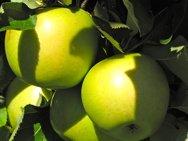
    A large and densely crunchy green apple that is refreshingly juicy and stores late.
    Stepover trees are used primarily for edging a border or pathway or to divide the kitche/vegetable garden. These very tiny trees are just 18” in height with two side laterals from the main stem forming a capital ‘T’ shape. The stepover tree is an ormamental addition to your garden and these trees are grown on the smallest avaailable rootstock, M27. Plant 120-150cm’s apart. Quite a popular variety in the UK for some years, so it might come as a surprise to learn it is actually a Japanese variety, where it was named ‘Mustu’ and re-named ‘Crispin’ for the UK market in the 1960’s. This apple is a vigorous triploid, better on a dwarfing stock whereupon it can make a very, very good garden tree and is ideal for those who like dense, crunchy apples. Crispin stepover Apple tree – Season: Leave to hang on the tree until mid-late October. Will store well into the Spring in good condition. Crispin Apple - appearance: A large apple – often very large – uniform pale green, develops a slight yellow flush with storage. On the tree a very occasional bronze flush. Crispin apple trees – flavour: Very crisp, firm and dense flesh with plenty of juice. Flavour juicy, clean and refreshing, can become slightly scented. Uses: Valued as a dessert apple but can also suit cooking purposes. In America it is used for pies and it will keep it’s shape when cooked with a light, sweet flavour. Cropping & Growth Vigorous, spreading and very heavily cropping. Excels on M9 or M27 stock and can also be grown well as a trained tree. Crispin - Pollination: This is a triploid variety so needs planting ideally with two other varieties to achieve full cropping potential. The choice of pollinating partners is wide. Here are some good suggestions: Cox's Orange Pippin Braeburn Catshead Antonovka Bountiful
    Crispin stepover Crispin stepover trees Stepover trees are used primarily for edging a border or pathway or to divide the kitche/vegetable garden. These very tiny trees are just 18” in height with two side laterals from the main stem forming a capital ‘T’ shape. The stepover tree is an ormamental addition to your garden and these trees are grown on the smallest avaailable rootstock, M27. Plant 120-150cm’s apart. Quite a popular variety in the UK for some years, so it might come as a surprise to learn it is actually a Japanese variety, where it was named ‘Mustu’ and re-named ‘Crispin’ for the UK market in the 1960’s. This apple is a vigorous triploid, better on a dwarfing stock whereupon it can make a very, very good garden tree and is ideal for those who like dense, crunchy apples. Crispin stepover Apple tree – Season: Leave to hang on the tree until mid-late October. Will store well into the Spring in good condition. Crispin Apple - appearance: A large apple – often very large – uniform pale green, develops a slight yellow flush with storage. On the tree a very occasional bronze flush. Crispin apple trees – flavour: Very crisp, firm and dense flesh with plenty of juice. Flavour juicy, clean and refreshing, can become slightly scented. Uses: Valued as a dessert apple but can also suit cooking purposes. In America it is used for pies and it will keep it’s shape when cooked with a light, sweet flavour. Cropping & Growth Vigorous, spreading and very heavily cropping. Excels on M9 or M27 stock and can also be grown well as a trained tree. Crispin - Pollination: This is a triploid variety so needs planting ideally with two other varieties to achieve full cropping potential. The choice of pollinating partners is wide. Here are some good suggestions: Cox's Orange Pippin Braeburn Catshead Antonovka Bountiful
    Stepover Apple Trees
  • Idared stepover, 1909, 235945, Idared stepover Idared stepover
    A good dual purpose apple with a handsome colouring and clean white densely crunchy flesh.  Stores very late.
    Stepover trees are used primarily for edging a border or pathway or to divide the kitche/vegetable garden. These very tiny trees are just 18” in height with two side laterals from the main stem forming a capital ‘T’ shape. The stepover tree is an ormamental addition to your garden and these trees are grown on the smallest avaailable rootstock, M27. Plant 120-150cm’s apart. Idared is a popular large dual purpose apple and a good garden apple tree. USA raised, 1942. Idared stepover Apple tree – Season: Idared is quite late and best havrested not before the end of October. The fruits are quite thick skinned and will stand light frosts on the tree. They will then keep in store until the Spring. Idared - appearance: Large and solid, brightly coloured with a glorious spread of rich crimson red over a green yellow base, Interior is virtually white. Idared apple trees – flavour: Light, sweet-savoury and pleasantly fruity. Cooked, needs little or no sugar and retains it’s shape. A very versatile apple and a good one to have in store. Uses: An excellent cooker but very much dual purpose too. More than acceptable for dessert in the Spring. Cropping & Growth The tree is moderately vigorous and fairly conservative. Hardy. Idared - Pollination: ‘A’ pollination group, use varieties with the same or adjacent groups to pollinate successfully. Here are some suggested varieties: Beauty of Bath Egremont Russet Christmas Pearmain Falstaff Discovery
    Idared stepover Idared stepover Apple trees Stepover trees are used primarily for edging a border or pathway or to divide the kitche/vegetable garden. These very tiny trees are just 18” in height with two side laterals from the main stem forming a capital ‘T’ shape. The stepover tree is an ormamental addition to your garden and these trees are grown on the smallest avaailable rootstock, M27. Plant 120-150cm’s apart. Idared is a popular large dual purpose apple and a good garden apple tree. USA raised, 1942. Idared stepover Apple tree – Season: Idared is quite late and best havrested not before the end of October. The fruits are quite thick skinned and will stand light frosts on the tree. They will then keep in store until the Spring. Idared - appearance: Large and solid, brightly coloured with a glorious spread of rich crimson red over a green yellow base, Interior is virtually white. Idared apple trees – flavour: Light, sweet-savoury and pleasantly fruity. Cooked, needs little or no sugar and retains it’s shape. A very versatile apple and a good one to have in store. Uses: An excellent cooker but very much dual purpose too. More than acceptable for dessert in the Spring. Cropping & Growth The tree is moderately vigorous and fairly conservative. Hardy. Idared - Pollination: ‘A’ pollination group, use varieties with the same or adjacent groups to pollinate successfully. Here are some suggested varieties: Beauty of Bath Egremont Russet Christmas Pearmain Falstaff Discovery
    Stepover Apple Trees
  • James Grieve stepover tree, 1908, 235956, James Grieve stepover tree James Grieve stepover tree
    This is a very versatile and popular apple tree that can equally be used as a dessert or culinary variety. James Grieve is ideal for the North and can be used from mid September and throughout October.
    Stepover trees are used primarily for edging a border or pathway or to divide the kitche/vegetable garden. These very tiny trees are just 18” in height with two side laterals from the main stem forming a capital ‘T’ shape. The stepover tree is an ormamental addition to your garden and these trees are grown on the smallest avaailable rootstock, M27. Plant 120-150cm’s apart. James Grieve is one of the most famous varieties ever raised, it’s popularity enduring through the ages. A Scottish variety fom the late 1800’s, for use mid season and can be enjoyed fresh or as a culinary apple. James Grieve stepover Apple tree – Season: Mid-late September, through to late October is the best period to enjoy this apple. James Grieve - appearance: Medium sized and stippled in orange-red. James Grieve apple trees – flavour: The flavour of James Grieve varies with timing. At first it is quite acidic and almost savoury and very juicy At this time it is favoured strongly for cooking purposes. But later the flavour softens and sweetens and it is very good for dessert. A versatile and valuable tree to have. Uses: Very much a dual purpose apple. Cropping & Growth Medium vigour on a spreading tree. Frost hardy and reliable. James Grieve - Pollination: ‘B’ pollination group, use varieties with the same or adjacent groups to pollinate successfully. Here are some suggested varieties: Greensleeves Grenadier Falstaff Cox's Orange Pippin Bountiful Discovery
    James Grieve stepover tree James Grieve stepover Apple trees for sale Stepover trees are used primarily for edging a border or pathway or to divide the kitche/vegetable garden. These very tiny trees are just 18” in height with two side laterals from the main stem forming a capital ‘T’ shape. The stepover tree is an ormamental addition to your garden and these trees are grown on the smallest avaailable rootstock, M27. Plant 120-150cm’s apart. James Grieve is one of the most famous varieties ever raised, it’s popularity enduring through the ages. A Scottish variety fom the late 1800’s, for use mid season and can be enjoyed fresh or as a culinary apple. James Grieve stepover Apple tree – Season: Mid-late September, through to late October is the best period to enjoy this apple. James Grieve - appearance: Medium sized and stippled in orange-red. James Grieve apple trees – flavour: The flavour of James Grieve varies with timing. At first it is quite acidic and almost savoury and very juicy At this time it is favoured strongly for cooking purposes. But later the flavour softens and sweetens and it is very good for dessert. A versatile and valuable tree to have. Uses: Very much a dual purpose apple. Cropping & Growth Medium vigour on a spreading tree. Frost hardy and reliable. James Grieve - Pollination: ‘B’ pollination group, use varieties with the same or adjacent groups to pollinate successfully. Here are some suggested varieties: Greensleeves Grenadier Falstaff Cox's Orange Pippin Bountiful Discovery
    Stepover Apple Trees
  • Red Devil miniature M27, 2219, 236333, Red Devil miniature M27 Red Devil miniature M27
    A lovely small patio tree for the garden with brightly cheerful and flavourful sweet fruits, nice flowers and  self pollinating so ideal if you can only grow one apple tree.
    This Red Devil mini tree is grown on miniature M27 stock. M27 is a rootstock that produces the smallest tree of all; maturing to around 180cm’s in height and width, this tree is ideal for a container or small garden, courtyard or allotment. It should be staked if in a windy or open position. Crops can exceed 20ibs per tree when established and this rootstock is quite precocious, often yielding the year following planting Red Devil is Kent raised, 1975 from a cross between Discovery and Kent [the variety] An ideal garden apple, compact, self fertile and easy to grow. Has nice blossom. Red Devil Apple tree – Season: Enjoy this variety from late September to November. Red Devil - appearance: Medium, flattened-circular, almost entirely bright red. Red Devil apple treesflavour: Not overly complex but a good sweet taste and plenty of juice. Lovely straight from the tree. Uses: A dessert variety, also a good juicer. Cropping & Growth Moderately vigorous, easy to grow and trouble free. Heavy cropper. Red Devil - Pollination: Red Devil is self fertile so can be grown on it’s own with no other pollinators. It is a good pollinator for other varieties and is in the‘B’ pollination group so will help with varieties in the same or adjacent groups.  
    Red Devil miniature M27 apple tree This Red Devil mini tree is grown on miniature M27 stock. M27 is a rootstock that produces the smallest tree of all; maturing to around 180cm’s in height and width, this tree is ideal for a container or small garden, courtyard or allotment. It should be staked if in a windy or open position. Crops can exceed 20ibs per tree when established and this rootstock is quite precocious, often yielding the year following planting Red Devil is Kent raised, 1975 from a cross between Discovery and Kent [the variety] An ideal garden apple, compact, self fertile and easy to grow. Has nice blossom. Red Devil Apple tree – Season: Enjoy this variety from late September to November. Red Devil - appearance: Medium, flattened-circular, almost entirely bright red. Red Devil apple trees – flavour: Not overly complex but a good sweet taste and plenty of juice. Lovely straight from the tree. Uses: A dessert variety, also a good juicer. Cropping & Growth Moderately vigorous, easy to grow and trouble free. Heavy cropper. Red Devil - Pollination: Red Devil is self fertile so can be grown on it’s own with no other pollinators. It is a good pollinator for other varieties and is in the‘B’ pollination group so will help with varieties in the same or adjacent groups.  
    Miniature Apple Trees
  • Lord Lambourne stepover, 1917, 236172, Lord Lambourne stepover Lord Lambourne stepover
    Very sweet, mildly fruity flavour from this popular dessert apple, for use late Sept through into November.
    Stepover trees are used primarily for edging a border or pathway or to divide the kitche/vegetable garden. These very tiny trees are just 18” in height with two side laterals from the main stem forming a capital ‘T’ shape. The stepover tree is an ormamental addition to your garden and these trees are grown on the smallest avaailable rootstock, M27. Plant 120-150cm’s apart Lord Lambourne is one of the ‘famous names’ in garden apples, this Worcester Pearmain x James Grieve cross was introduced in 1923. Lord Lambourne stepover Apple tree – Season: Lord Lambourne can be harvested late September for use until mid November. Lord Lambourne - appearance: Lord Lambourne is a medium sized circular apple of greenish gold with a bright red flush and stripes. Nicely scented when ripe. Lord Lambourne apple trees – flavour: A good marriage of the two parents; largely sweet and juicy with a lightly fruity taste but does also have the balancing acidity of James Grieve. Uses: Usually eaten as dessert. Cropping & Growth Low to medium vigour. Lord Lambourne - Pollination: ‘A’ pollination group, use varieties with the same or adjacent groups to pollinate successfully. Here are some suggested varieties: Egremont Russet Idared Granny Smith Irish Peach Christmas Pearmain
    Lord Lambourne stepover Lord Lambourne stepover Apple trees for sale Stepover trees are used primarily for edging a border or pathway or to divide the kitche/vegetable garden. These very tiny trees are just 18” in height with two side laterals from the main stem forming a capital ‘T’ shape. The stepover tree is an ormamental addition to your garden and these trees are grown on the smallest avaailable rootstock, M27. Plant 120-150cm’s apart Lord Lambourne is one of the ‘famous names’ in garden apples, this Worcester Pearmain x James Grieve cross was introduced in 1923. Lord Lambourne stepover Apple tree – Season: Lord Lambourne can be harvested late September for use until mid November. Lord Lambourne - appearance: Lord Lambourne is a medium sized circular apple of greenish gold with a bright red flush and stripes. Nicely scented when ripe. Lord Lambourne apple trees – flavour: A good marriage of the two parents; largely sweet and juicy with a lightly fruity taste but does also have the balancing acidity of James Grieve. Uses: Usually eaten as dessert. Cropping & Growth Low to medium vigour. Lord Lambourne - Pollination: ‘A’ pollination group, use varieties with the same or adjacent groups to pollinate successfully. Here are some suggested varieties: Egremont Russet Idared Granny Smith Irish Peach Christmas Pearmain
    Stepover Apple Trees
  • Orelans Reinette fan espalier, 1612, , Orelans Reinette fan espalier Orelans Reinette fan espalier
    Superbly flavoured, rich and aromatic. Season October to late December; a partly russetted apple from France that has captivated for centuries.
    Espalier or fan trees are used against a wall; you will need not less than 180 x 180cm’s for a fan or espalier tree. Please note we do not supply ready trained trees; this Orleans Reinette is a young tree suitable for training yourself, in situ. Such trees usually settle to cropping within 2 or 3 seasons. Orelans Reinette is an esteemed French variety from the 1700’s which remains highly regarded for it’s flavour. Orleans Reinette fan espalier Apple tree – Season: For use early November to late December. Orelans Reinette - appearance: Medijm sized flattened-circular golden yellow with a cinnamon coloured russet and bronzy flush. Flesh is deep cream. Orelans Reinette apple treesflavour: Outstanding, especially when grown in sunny spot. The deep cream flesh is akin to that of a russet – not overly juicy, firm, slightly crumbly and with a rich, complex aromatic flavour that is very more-ish. Uses: Although a very fine dessert apple, also suits cooking having been recommended for tarts, pastries and slicing. Cropping & Growth Fairly good health record, medium vigour. Orleans Reinette - Pollination: ‘D’ pollination group, use varieties with the same or adjacent groups to pollinate successfully.  Here are some suggested varieties: Court Pendu Plat Ashmeads Kernel Chivers Delight Gala Charles Ross Lord Derby
    Orleans Reinette fan espalier Apple trees for sale Espalier or fan trees are used against a wall; you will need not less than 180 x 180cm’s for a fan or espalier tree. Please note we do not supply ready trained trees; this Orleans Reinette is a young tree suitable for training yourself, in situ. Such trees usually settle to cropping within 2 or 3 seasons. Orelans Reinette is an esteemed French variety from the 1700’s which remains highly regarded for it’s flavour. Orleans Reinette fan espalier Apple tree – Season: For use early November to late December. Orelans Reinette - appearance: Medijm sized flattened-circular golden yellow with a cinnamon coloured russet and bronzy flush. Flesh is deep cream. Orelans Reinette apple trees – flavour: Outstanding, especially when grown in sunny spot. The deep cream flesh is akin to that of a russet – not overly juicy, firm, slightly crumbly and with a rich, complex aromatic flavour that is very more-ish. Uses: Although a very fine dessert apple, also suits cooking having been recommended for tarts, pastries and slicing. Cropping & Growth Fairly good health record, medium vigour. Orleans Reinette - Pollination: ‘D’ pollination group, use varieties with the same or adjacent groups to pollinate successfully.  Here are some suggested varieties: Court Pendu Plat Ashmeads Kernel Chivers Delight Gala Charles Ross Lord Derby
    Fan and Espalier Apple Trees
  • Newton Wonder fan espalier, 1608, , Newton Wonder fan espalier Newton Wonder fan espalier
    A cooking variety that is a famous garden apple tree, excels for baking, pureeing, sauces and freezing with a clasic flavour in the Bramleys style. Frost tolerant; stores well into Spring.
    Espalier or fan trees are used against a wall; you will need not less than 180 x 180cm’s for a fan or espalier tree. Please note we do not supply ready trained trees; this Newton Wonder is a young tree suitable for training yourself, in situ. Such trees usually settle to cropping within 2 or 3 seasons. This famous cooker came from was discovered by an Innkeeper in 1870’s Derbyshire. It remains a very popular cooking apple tree for garden or orchard use. Originally known as Newtown Wonder. Newton Wonder Apple tree – Season: Late October, stores well, until March. Newton Wonder - appearance: Large, flattened-circular, medium green with a slight bronze flush, yellows in sotrage later on. Newton Wonder apple treesflavour: Very good flavour; frothy, juicy, creamy. Fairly sharp, but not to the extent of Bramleys. Good for baking, sauces, purees and freezing. Uses: A classic cooker but also enjoyed as a dessert late in the season. Cropping & Growth Vigorous, spreading and hardy. Easily grown but can be bi-ennial unless thinned. Newton Wonder - Pollination: ‘D’ pollination group, use varieties with the same or adjacent groups to pollinate successfully.  Here are some suggested varieties: American Mother Annie Elizabeth Ashmeads Kernel Chivers Delight Catshead> Gala Charles Ross
    Newton Wonder fan espalier Apple trees for sale Espalier or fan trees are used against a wall; you will need not less than 180 x 180cm’s for a fan or espalier tree. Please note we do not supply ready trained trees; this Newton Wonder is a young tree suitable for training yourself, in situ. Such trees usually settle to cropping within 2 or 3 seasons. This famous cooker came from was discovered by an Innkeeper in 1870’s Derbyshire. It remains a very popular cooking apple tree for garden or orchard use. Originally known as Newtown Wonder. Newton Wonder Apple tree – Season: Late October, stores well, until March. Newton Wonder - appearance: Large, flattened-circular, medium green with a slight bronze flush, yellows in sotrage later on. Newton Wonder apple trees – flavour: Very good flavour; frothy, juicy, creamy. Fairly sharp, but not to the extent of Bramleys. Good for baking, sauces, purees and freezing. Uses: A classic cooker but also enjoyed as a dessert late in the season. Cropping & Growth Vigorous, spreading and hardy. Easily grown but can be bi-ennial unless thinned. Newton Wonder - Pollination: ‘D’ pollination group, use varieties with the same or adjacent groups to pollinate successfully.  Here are some suggested varieties: American Mother Annie Elizabeth Ashmeads Kernel Chivers Delight Catshead> Gala Charles Ross
    Fan and Espalier Apple Trees

  • Lord Lambourne fan espalier, 1599, 236171, Lord Lambourne fan espalier Lord Lambourne fan espalier
    Sweet, mildly fruity flavour, ripens late September for use until later in November. Early flowering, a popular dessert apple.
    Espalier or fan trees are used against a wall; you will need not less than 180 x 180cm’s for a fan or espalier tree. Please note we do not supply ready trained trees; this Lord Lambourne is a young tree suitable for training yourself, in situ. Such trees usually settle to cropping within 2 or 3 seasons One of the ‘famous names’ in garden apples, this Worcester Pearmain x James Grieve cross was introduced in 1923. Lord Lambourne Apple tree – Season: Lord Lambourne can be harvested late September for use until mid November. Lord Lambourne - appearance: Lord Lambourne is a medium sized circular apple of greenish gold with a bright red flush and stripes. Nicely scented when ripe. Lord Lambourne apple treesflavour: A good marriage of the two parents; largely sweet and juicy with a lightly fruity taste but does also have the balancing acidity of James Grieve. Uses: Usually eaten as dessert. Cropping & Growth Low to medium vigour. Lord Lambourne - Pollination: ‘A’ pollination group, use varieties with the same or adjacent groups to pollinate successfully.  Here are some suggested varieties: Idared Egremont Russet Granny Smith Christmas Pearmain Beauty of Bath Irish Peach
    Lord Lambourne fan espalier Apple trees for sale Espalier or fan trees are used against a wall; you will need not less than 180 x 180cm’s for a fan or espalier tree. Please note we do not supply ready trained trees; this Lord Lambourne is a young tree suitable for training yourself, in situ. Such trees usually settle to cropping within 2 or 3 seasons One of the ‘famous names’ in garden apples, this Worcester Pearmain x James Grieve cross was introduced in 1923. Lord Lambourne Apple tree – Season: Lord Lambourne can be harvested late September for use until mid November. Lord Lambourne - appearance: Lord Lambourne is a medium sized circular apple of greenish gold with a bright red flush and stripes. Nicely scented when ripe. Lord Lambourne apple trees – flavour: A good marriage of the two parents; largely sweet and juicy with a lightly fruity taste but does also have the balancing acidity of James Grieve. Uses: Usually eaten as dessert. Cropping & Growth Low to medium vigour. Lord Lambourne - Pollination: ‘A’ pollination group, use varieties with the same or adjacent groups to pollinate successfully.  Here are some suggested varieties: Idared Egremont Russet Granny Smith Christmas Pearmain Beauty of Bath Irish Peach
    Fan and Espalier Apple Trees
  • Red Pippin miniature M27, 2228, 236348, Red Pippin miniature M27 Red Pippin miniature M27
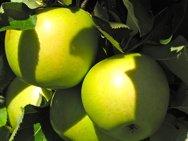
    This Kent raised variety has a similar taste to Cox's Orange but stores even better. The fruits of Red Pippin can be kept until March or even later with ease and the lovely flavour and texture does not deteriorate. Healthy growing tree.
    This Red Pippin ['Fiesta'] tree is grown on miniature M27 stock. M27 is a rootstock that produces the smallest tree of all; maturing to around 180cm’s in height and width, this tree is ideal for a container or small garden, courtyard or allotment. It should be staked if in a windy or open position. Crops can exceed 20ibs per tree when established and this rootstock is quite precocious, often yielding the year following planting. Red Pippin - Syn ‘Fiesta’ Red Pippin is a relatively new English apple, developed in Kent in the 1970s but with a very traditional English style and flavour. Cox's Orange Pippin is one of its parents, and it has inherited the classic Cox aromatic sweet/sharp flavour, although not quite quite as complex as that esteemed variety. A much better groiwer and a much better garden apple than Cox’s. Red Pippin Apple tree – Season: Stores very well; harvest in October and can be kept until the Spring. Red Pippin - appearance: Medium sized olive green overlaid coppery red, flushed and striped. Red Pippin  apple treesflavour: Well balanced, sweet-sharp taste, akin to Cox’s,not quite as dynamic but very good. Uses: A dessert apple and also highly valued for juicing. Cropping & Growth Medium growth, hardy and disease free. Heavy cropper. Red Pippin- Pollination: Red Pippin is in pollination group ‘B’ so will pollinate well with varieties in the same or adjacent groups. Here are some suggested varieties: Falstaff Elstar Discovery Jester Bountiful Arthur Turner Merton Knave Fortune Delivery information
    Red Pippin Apple trees This Red Pippin ['Fiesta'] tree is grown on miniature M27 stock. M27 is a rootstock that produces the smallest tree of all; maturing to around 180cm’s in height and width, this tree is ideal for a container or small garden, courtyard or allotment. It should be staked if in a windy or open position. Crops can exceed 20ibs per tree when established and this rootstock is quite precocious, often yielding the year following planting. Red Pippin - Syn ‘Fiesta’ Red Pippin is a relatively new English apple, developed in Kent in the 1970s but with a very traditional English style and flavour. Cox's Orange Pippin is one of its parents, and it has inherited the classic Cox aromatic sweet/sharp flavour, although not quite quite as complex as that esteemed variety. A much better groiwer and a much better garden apple than Cox’s. Red Pippin Apple tree – Season: Stores very well; harvest in October and can be kept until the Spring. Red Pippin - appearance: Medium sized olive green overlaid coppery red, flushed and striped. Red Pippin  apple trees – flavour: Well balanced, sweet-sharp taste, akin to Cox’s,not quite as dynamic but very good. Uses: A dessert apple and also highly valued for juicing. Cropping & Growth Medium growth, hardy and disease free. Heavy cropper. Red Pippin- Pollination: Red Pippin is in pollination group ‘B’ so will pollinate well with varieties in the same or adjacent groups. Here are some suggested varieties: Falstaff Elstar Discovery Jester Bountiful Arthur Turner Merton Knave Fortune Delivery information
    Miniature Apple Trees
  • Red Delicious mini M27, 2216, 236328, Red Delicious mini M27 Red Delicious mini M27
    Red Delicious as a mini tree makes a very decorative addition to the patio. Red Delicious is well known for it's superbly finished glossy deep red blocky fruits which look magnificent in the fruit bowl or as table decoration. Leave on the tree for as long as possible to ripen; stores until late Spring at least.
    This Red Delicious apple tree is grown on miniature M27 stock. M27 is a rootstock that produces the smallest tree of all; maturing to around 180cm’s in height and width, this tree is ideal for a container or small garden, courtyard or allotment. It should be staked if in a windy or open position. Crops can exceed 20ibs per tree when established and this rootstock is quite precocious, often yielding the year following planting This classic American apple variety was named and introduced in the 1800’s but did not find it’s way to England for many years after. It does not show it’s finest attributes here but is still worth growing in a warm spot or as a cordon perhaps on a sunny wall. Red Delicious Apple tree – Season: Leave on the tree to develop as long as possible; eat from storage December to April. Red Delicious - appearance: Distinctivelt ‘tall’ conical apple with a tough, shiny skin almost entirely deep gleaming blood red. Inner flesh very white. Red Delicious apple treesflavour: Dense, crisp and juicy flesh, very sweet with almost no acidity. Uses: Dessert use and as decoration. Can be juiced. Cropping & Growth Medium vigour, largely trouble free but fruits needs sunshine and time to develop. Red Delicious - Pollination: ‘C’ pollination group, use varieties with the same or adjacent groups to pollinate successfully. Here are some suggested varieties: Jonathan Jester Kidds Orange Red Peasgood Nonsuch Monarch Merton Knave Lobo Charles Ross 
    Red Delicious cordon Apple trees This Red Delicious apple tree is grown on miniature M27 stock. M27 is a rootstock that produces the smallest tree of all; maturing to around 180cm’s in height and width, this tree is ideal for a container or small garden, courtyard or allotment. It should be staked if in a windy or open position. Crops can exceed 20ibs per tree when established and this rootstock is quite precocious, often yielding the year following planting This classic American apple variety was named and introduced in the 1800’s but did not find it’s way to England for many years after. It does not show it’s finest attributes here but is still worth growing in a warm spot or as a cordon perhaps on a sunny wall. Red Delicious Apple tree – Season: Leave on the tree to develop as long as possible; eat from storage December to April. Red Delicious - appearance: Distinctivelt ‘tall’ conical apple with a tough, shiny skin almost entirely deep gleaming blood red. Inner flesh very white. Red Delicious apple trees – flavour: Dense, crisp and juicy flesh, very sweet with almost no acidity. Uses: Dessert use and as decoration. Can be juiced. Cropping & Growth Medium vigour, largely trouble free but fruits needs sunshine and time to develop. Red Delicious - Pollination: ‘C’ pollination group, use varieties with the same or adjacent groups to pollinate successfully. Here are some suggested varieties: Jonathan Jester Kidds Orange Red Peasgood Nonsuch Monarch Merton Knave Lobo Charles Ross 
    Miniature Apple Trees

fruit-trees.com
01366386858