Search results

  • Russet Apple trees Russet Apple trees
  • Apple Trees Apple Trees
  • Cordon Apple Trees Cordon Apple Trees
  • Stepover Apple Trees Stepover Apple Trees
  • Miniature Apple Trees Miniature Apple Trees
  • Buy Fan & Espalier Apple Trees Fan & Espalier Apple Trees
  • Apple trees - early varieties Apple trees - early varieties
  • Apple Trees - red fruited Apple Trees - red fruited
  • Apple trees - cooking varieties Apple trees - cooking varieties
  • Elstar cordon apple, 1579, 235452, Elstar cordon apple Elstar cordon apple
    Recommended variety for most areas with an outstanding crisp, juicy and aromatic yet sweet flavour. Good for frosty areas and a pleasure to grow.

    Elstar cordon Apple trees

    Cordon Apple trees are a good choice for restricted areas and a fence or wall. They can be grown at a 45degree angle, or upright. The rootstock we use for our cordon Elstar is M9 which is the best stock for cordon trees. Plant 60-80cm’s apart. Elstar is a Dutch raised variety, from a cross between Ingrid Marie and Golden Delicious. Deserves wider appreciaiton, a very good garden apple tree with a lovely flavour and attractive presentation. Elstar  cordon apple trees flavour: Delicious. Sweet and honeyed but not too syrupy with a gentle underlying acidity. Plenty of juice, good crisp texture but too firm. Elstar Apple tree – Season: Elstar can be enjoyed from October to January. Elstar Apple - appearance: Medium sized mostly conical in shape, brilliant sunny yellow with a broad red flush. Often almost too good to eat. Uses: A dessert apple. Cropping & Growth Medium vigour, hardy and easy to grow and usually very productive. Elstar - Pollination: ‘B’ Pollination group, so use varieties with the same or adjacent pollinating prefixes. Some good suggested varieties are given here: Cox's orange Pippin Egremont Russet Brownlees Russet Cornish Aromatic Bountiful Arthur Turner Alkmene
    Elstar cordon Apple trees Cordon Apple trees are a good choice for restricted areas and a fence or wall. They can be grown at a 45degree angle, or upright. The rootstock we use for our cordon Elstar is M9 which is the best stock for cordon trees. Plant 60-80cm’s apart. Elstar is a Dutch raised variety, from a cross between Ingrid Marie and Golden Delicious. Deserves wider appreciaiton, a very good garden apple tree with a lovely flavour and attractive presentation. Elstar  cordon apple trees – flavour: Delicious. Sweet and honeyed but not too syrupy with a gentle underlying acidity. Plenty of juice, good crisp texture but too firm. Elstar Apple tree – Season: Elstar can be enjoyed from October to January. Elstar Apple - appearance: Medium sized mostly conical in shape, brilliant sunny yellow with a broad red flush. Often almost too good to eat. Uses: A dessert apple. Cropping & Growth Medium vigour, hardy and easy to grow and usually very productive. Elstar - Pollination: ‘B’ Pollination group, so use varieties with the same or adjacent pollinating prefixes. Some good suggested varieties are given here: Cox's orange Pippin Egremont Russet Brownlees Russet Cornish Aromatic Bountiful Arthur Turner Alkmene
    Cordon Apple Trees
  • Saturn apple stepover, 1942, 236375, Saturn apple stepover Saturn apple stepover
    Saturn apple stepover
    Stepover trees are used primarily for edging a border or pathway or to divide the kitche/vegetable garden. These very tiny trees are just 18” in height with two side laterals from the main stem forming a capital ‘T’ shape. The stepover tree is an ormamental addition to your garden and these trees are grown on the smallest avaailable rootstock, M27. Plant 120-150cm’s apart. Saturn is a new arrival from East Malling, and so good it is already one of our top-selling varieties. Saturn combines excellent disease resistance with a pleasing flavour and self-fertile blossom. Saturn apple tree – Season: Early October, stores until January with ease. Saturn – appearance: Traditional apple shape, medium sized and three quarters to wholly flushed carmine red. Saturn apple trees – flavour: Very crisp, juicy and satisfying to eat, the flavour is fruity and sweet with a lot of juice. Uses: A dessert apple primarily. Cropping & Growth Medium vigour, easy to grow, excellent disease resistance – ideal for organic growing. Saturn Apple Trees - Pollination: Saturn is iteslf self-fertile so does not need other trees. It is in group ‘B’ and is also an excellent pollinator for varieties in the same or adjacent groups.
    Saturn apple stepover Saturn Apple Trees for sale Stepover trees are used primarily for edging a border or pathway or to divide the kitche/vegetable garden. These very tiny trees are just 18” in height with two side laterals from the main stem forming a capital ‘T’ shape. The stepover tree is an ormamental addition to your garden and these trees are grown on the smallest avaailable rootstock, M27. Plant 120-150cm’s apart. Saturn is a new arrival from East Malling, and so good it is already one of our top-selling varieties. Saturn combines excellent disease resistance with a pleasing flavour and self-fertile blossom. Saturn apple tree – Season: Early October, stores until January with ease. Saturn – appearance: Traditional apple shape, medium sized and three quarters to wholly flushed carmine red. Saturn apple trees – flavour: Very crisp, juicy and satisfying to eat, the flavour is fruity and sweet with a lot of juice. Uses: A dessert apple primarily. Cropping & Growth Medium vigour, easy to grow, excellent disease resistance – ideal for organic growing. Saturn Apple Trees - Pollination: Saturn is iteslf self-fertile so does not need other trees. It is in group ‘B’ and is also an excellent pollinator for varieties in the same or adjacent groups.
    Stepover Apple Trees
  • Elstar miniature apple, 1985, 235453, Elstar miniature apple Elstar miniature apple
    Very good flavour and a very reliable tree make this a good choice for mid season eating, will store. Attractive looking apple.
    This Elstar tree is grown on miniature M27 stock. M27 is a rootstock that produces the smallest tree of all; maturing to around 180cm’s in height and width, this tree is ideal for a container or small garden, courtyard or allotment. It should be staked if in a windy or open position. Crops can exceed 20ibs per tree when established and this rootstock is quite precocious, often yielding the year following planting. Elstar is a Dutch raised variety, from a cross between Ingrid Marie and Golden Delicious. Deserves wider appreciaiton, a very good garden apple tree with a lovely flavour and attractive presentation. Elstar miniature M27 apple trees – flavour: Delicious. Sweet and honeyed but not too syrupy with a gentle underlying acidity. Plenty of juice, good crisp texture but too firm. Elstar Apple tree – Season: Elstar can be enjoyed from October to January. Elstar Apple - appearance: Medium sized mostly conical in shape, brilliant sunny yellow with a broad red flush. Often almost too good to eat. Uses: A dessert apple. Cropping & Growth Medium vigour, hardy and easy to grow and usually very productive. Elstar - Pollination: ‘B’ Pollination group, so use varieties with the same or adjacent pollinating prefixes. Some good varieties to pollinate with Elstar are given here: Cox's Orange Pippin Alkmene Egremont Russet Discovery Arthur Turner Cornish Gilliflower
    Elstar miniature M27 Apple trees This Elstar tree is grown on miniature M27 stock. M27 is a rootstock that produces the smallest tree of all; maturing to around 180cm’s in height and width, this tree is ideal for a container or small garden, courtyard or allotment. It should be staked if in a windy or open position. Crops can exceed 20ibs per tree when established and this rootstock is quite precocious, often yielding the year following planting. Elstar is a Dutch raised variety, from a cross between Ingrid Marie and Golden Delicious. Deserves wider appreciaiton, a very good garden apple tree with a lovely flavour and attractive presentation. Elstar miniature M27 apple trees – flavour: Delicious. Sweet and honeyed but not too syrupy with a gentle underlying acidity. Plenty of juice, good crisp texture but too firm. Elstar Apple tree – Season: Elstar can be enjoyed from October to January. Elstar Apple - appearance: Medium sized mostly conical in shape, brilliant sunny yellow with a broad red flush. Often almost too good to eat. Uses: A dessert apple. Cropping & Growth Medium vigour, hardy and easy to grow and usually very productive. Elstar - Pollination: ‘B’ Pollination group, so use varieties with the same or adjacent pollinating prefixes. Some good varieties to pollinate with Elstar are given here: Cox's Orange Pippin Alkmene Egremont Russet Discovery Arthur Turner Cornish Gilliflower
    Miniature Apple Trees
  • Pixie cordon apple, 1783, , Pixie cordon apple Pixie cordon apple
    Pixie is a  variety has a committed following as it has a very good flavour and  is easier to grow well. The fruits are small to medium in size, the growth of the tree is normal. Will store.
    Cordon Apple trees are a good choice for restricted areas and a fence or wall. They can be grown at a 45degree angle, or upright. The rootstock we use for our cordon Pixie apple tree is M9 which is the best stock for cordon trees. Plant 60-80cm’s apart. Selected at RHS Gardens Wisley in 1947, probably a Cox’s or Sunset seedling and considered superior to either parent. The name refers to the size of the apples, which are small, not the growth. Pixie Apple tree – Season: Mid October to December. Pixie - appearance: Cox-like with red flush and stripes over a green background. Pixie apple treesflavour: Intensely aromatic and rich, firmer texture than a Cox.. Uses: A classic cooker but also enjoyed as a dessert late in the season. Cropping & Growth Moderately vigorous. Good cropper. Pixie - Pollination: ‘C’ pollination group, use varieties with the same or adjacent groups to pollinate successfully. Here are some suggested varieties: Charles Ross Pitmaston Pineapple Monarch Lord Derby Merton Knave Falstaff Kidds Orange Red
    Pixie Apple trees for sale Cordon Apple trees are a good choice for restricted areas and a fence or wall. They can be grown at a 45degree angle, or upright. The rootstock we use for our cordon Pixie apple tree is M9 which is the best stock for cordon trees. Plant 60-80cm’s apart. Selected at RHS Gardens Wisley in 1947, probably a Cox’s or Sunset seedling and considered superior to either parent. The name refers to the size of the apples, which are small, not the growth. Pixie Apple tree – Season: Mid October to December. Pixie - appearance: Cox-like with red flush and stripes over a green background. Pixie apple trees – flavour: Intensely aromatic and rich, firmer texture than a Cox.. Uses: A classic cooker but also enjoyed as a dessert late in the season. Cropping & Growth Moderately vigorous. Good cropper. Pixie - Pollination: ‘C’ pollination group, use varieties with the same or adjacent groups to pollinate successfully. Here are some suggested varieties: Charles Ross Pitmaston Pineapple Monarch Lord Derby Merton Knave Falstaff Kidds Orange Red
    Cordon Apple Trees
  • Redsleeves cordon apple, 1812, , Redsleeves cordon apple Redsleeves cordon apple
    An excellent early variety with fruits that keeper longer than most other early varieties. Lovely crisply textured rosy red fruits which are small to moderate size, ideal for snacking and lunch boxes. Superb health record and very frost resistant. Naturally compact and freely spurring tree.
    Cordon Apple trees are a good choice for restricted areas and a fence or wall. They can be grown at a 45degree angle, or upright. The rootstock we use for our cordon Redsleeves is M9 which is the best stock for cordon trees. Plant 60-80cm’s apart. Redsleeves is an excellent EMRS Kent introduction, 1986 from an un-named scab resistant seedling. Redsleeves is in many ways the perfect garden apple and has been a popular variety. It is naturally small growing, largely disease-free, self fertile and attractive. A good variety for the inexperienced. It is an early ripening rosy red apple. Redsleeves tree – Season: Although early [start to pick mid August] has good keeping qualities, especially for an early. Can still be enjoyed at the end of September and sometimes beyond. Redsleeves – appearance: Small to medium sized, slightly flattened, rosy red throughout with just a small green-gold base. Redsleeves apple treesflavour: Crisp, juicy, sweet and refreshing. Uses: A dessert apple and also good for table decoration. Cropping & Growth A small and compact tree with an excellent health record and frost resistant blossom. Redsleeves - Pollination: This variety is self fertile so needs no pollinating partners and is ideal for the one tree garden or patio. Redsleeves is in pollination group ‘B’ and can act as a good pollinator for varieties in the same or adjacent groups.
    Redsleeves Apple Trees Cordon Apple trees are a good choice for restricted areas and a fence or wall. They can be grown at a 45degree angle, or upright. The rootstock we use for our cordon Redsleeves is M9 which is the best stock for cordon trees. Plant 60-80cm’s apart. Redsleeves is an excellent EMRS Kent introduction, 1986 from an un-named scab resistant seedling. Redsleeves is in many ways the perfect garden apple and has been a popular variety. It is naturally small growing, largely disease-free, self fertile and attractive. A good variety for the inexperienced. It is an early ripening rosy red apple. Redsleeves tree – Season: Although early [start to pick mid August] has good keeping qualities, especially for an early. Can still be enjoyed at the end of September and sometimes beyond. Redsleeves – appearance: Small to medium sized, slightly flattened, rosy red throughout with just a small green-gold base. Redsleeves apple trees – flavour: Crisp, juicy, sweet and refreshing. Uses: A dessert apple and also good for table decoration. Cropping & Growth A small and compact tree with an excellent health record and frost resistant blossom. Redsleeves - Pollination: This variety is self fertile so needs no pollinating partners and is ideal for the one tree garden or patio. Redsleeves is in pollination group ‘B’ and can act as a good pollinator for varieties in the same or adjacent groups.
    Cordon Apple Trees
  • Katy cordon apple, 1723, , Katy cordon apple Katy cordon apple
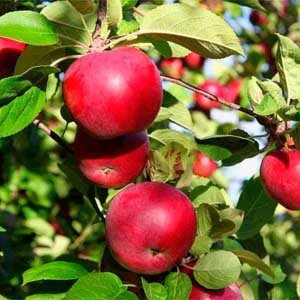
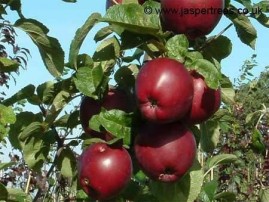
    Brilliant deep red flushed fruits,m good sweet slightly aromatic flavour. Season Mid September onwards; particularly suitable for frosty areas and generally easy to grow.
    Cordon Apple trees are a good choice for restricted areas and a fence or wall. They can be grown at a 45degree angle, or upright. The rootstock we use for our cordon Katy is M9 which is the best stock for cordon trees. Plant 60-80cm’s apart. Syn Katja. Swedish raised in the 1940’s from a Worcester x James Grieve cross. A very popular garden variety that suits all area’s including the North. Katy Apple cordon tree – Season: Katy can be harvested in early September and keeps well, for an early, may be used into October. Katy - appearance: Broadly conical with white inner flesh and a shiny deep maroon red skin colour almost obliterating the base colour. Katy apple treesflavour: Sweet and fruity with a slight hint of strawberries but has retained a little of the balancing acidity of James Grieve. Uses: For dessert use and also juicing. Cropping & Growth Vigorous and healthy. A good cropper and frost hardy. Katy - Pollination: ‘B’ pollination group, use varieties with the same or adjacent groups to pollinate successfully.  Here are some suggested varieties: Greensleeves Crimson Queening James Grieve Grenadier Cox's Orange Pippin Elstar Bountiful
    Katy Apple cordon trees for sale Cordon Apple trees are a good choice for restricted areas and a fence or wall. They can be grown at a 45degree angle, or upright. The rootstock we use for our cordon Katy is M9 which is the best stock for cordon trees. Plant 60-80cm’s apart. Syn Katja. Swedish raised in the 1940’s from a Worcester x James Grieve cross. A very popular garden variety that suits all area’s including the North. Katy Apple cordon tree – Season: Katy can be harvested in early September and keeps well, for an early, may be used into October. Katy - appearance: Broadly conical with white inner flesh and a shiny deep maroon red skin colour almost obliterating the base colour. Katy apple trees – flavour: Sweet and fruity with a slight hint of strawberries but has retained a little of the balancing acidity of James Grieve. Uses: For dessert use and also juicing. Cropping & Growth Vigorous and healthy. A good cropper and frost hardy. Katy - Pollination: ‘B’ pollination group, use varieties with the same or adjacent groups to pollinate successfully.  Here are some suggested varieties: Greensleeves Crimson Queening James Grieve Grenadier Cox's Orange Pippin Elstar Bountiful
    Cordon Apple Trees
  • Particularly frost resistant apple varieties Particularly frost resistant apple varieties
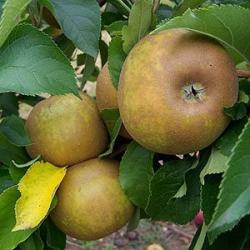
  • Egremont Russet cordon apple, 1577, , Egremont Russet cordon apple Egremont Russet cordon apple
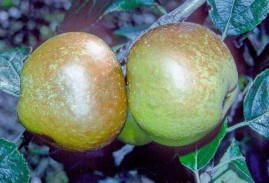
    This famous Russet can be used through September-November and is easy to grow in all areas.
    Egremont Russet cordon Apple trees for sale Cordon Apple trees are a good choice for restricted areas and a fence or wall. They can be grown at a 45degree angle, or upright. The rootstock we use for our cordon Egremont Russet is M9 which is the best stock for cordon trees. Plant 60-80cm’s apart. Egremont Russet is simply the quintessential russet apple. Despite it’s name, probably not Cumbrian, recorded from Somerset in the 1870’s. Remains the most popular and satisfactory garden russet apple. Egremont Russet cordon Apple tree – Season: Suitable for picking late September and usually keeps through November or December. Egremont Apple - appearance: Small to medium sized flattened circular apple, pale green mostly covered in dense golden brown russet. Occasional bronze flush. Egremont apple treesflavour: Cream flesh distinctively crumbly/firm texture, fairly dry. Savoury, nutty ‘green’ taste. Uses: A dessert apple also useful for slicing and adding to salads or gardnishes. Cropping & Growth An upright, easily managed tree; good disease resistance and hardy. Good for the North. Suits all growing methods. Egremont Russet - Pollination: ‘A’ Pollination group, so use varieties with the same or adjacent pollinating prefixes. Here are some suggested varieties: Bakers Delicious Early Victoria Cox's Orange Pippin Discovery Beauty of Bath Christmas Pearmain Alkmene
    Egremont Russet cordon Apple trees for sale Cordon Apple trees are a good choice for restricted areas and a fence or wall. They can be grown at a 45degree angle, or upright. The rootstock we use for our cordon Egremont Russet is M9 which is the best stock for cordon trees. Plant 60-80cm’s apart. Egremont Russet is simply the quintessential russet apple. Despite it’s name, probably not Cumbrian, recorded from Somerset in the 1870’s. Remains the most popular and satisfactory garden russet apple. Egremont Russet cordon Apple tree – Season: Suitable for picking late September and usually keeps through November or December. Egremont Apple - appearance: Small to medium sized flattened circular apple, pale green mostly covered in dense golden brown russet. Occasional bronze flush. Egremont apple trees – flavour: Cream flesh distinctively crumbly/firm texture, fairly dry. Savoury, nutty ‘green’ taste. Uses: A dessert apple also useful for slicing and adding to salads or gardnishes. Cropping & Growth An upright, easily managed tree; good disease resistance and hardy. Good for the North. Suits all growing methods. Egremont Russet - Pollination: ‘A’ Pollination group, so use varieties with the same or adjacent pollinating prefixes. Here are some suggested varieties: Bakers Delicious Early Victoria Cox's Orange Pippin Discovery Beauty of Bath Christmas Pearmain Alkmene
    Cordon Apple Trees
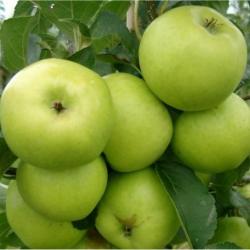
  • Grenadier cordon apple tree, 1658, , Grenadier cordon apple tree Grenadier cordon apple tree
    Very early pale green fruits with a delicious flavour. Easy to grow and reliable; the best early cooker. Season August-September,
    Cordon Apple trees are a good choice for restricted areas and a fence or wall. They can be grown at a 45degree angle, or upright. The rootstock we use for our cordon Grenadier is M9 which is the best stock for cordon trees. Plant 60-80cm’s apart. Grenadier’s origins are unknown but a famous early cooker and usually the first culinary apple fit for use. Grenadier cordon Apple tree – Season: For use throughout August and into September. Grenadier Apple - appearance: Grenadier is a large, roundly conical pale green apple. Grenadier apple treesflavour: Breaks down to a juicy puree, very good slightly sharp taste but sweeter than many cookers and versatile in the kitchen. Uses: A classic culinary kitchen apple. Cropping & Growth Medium vigour, heavy cropper and trouble free. An excellent cooking apple tree and recommended. Grenadier - Pollination: ‘B’ Pollination group, so use varieties with the same or adjacent pollinating prefixes. Here are some good suggestions: Cox's Orange Pippin Discovery Elstar Falstaff Bountiful Empire Arthur Turner
    Grenadier cordon Apple trees Cordon Apple trees are a good choice for restricted areas and a fence or wall. They can be grown at a 45degree angle, or upright. The rootstock we use for our cordon Grenadier is M9 which is the best stock for cordon trees. Plant 60-80cm’s apart. Grenadier’s origins are unknown but a famous early cooker and usually the first culinary apple fit for use. Grenadier cordon Apple tree – Season: For use throughout August and into September. Grenadier Apple - appearance: Grenadier is a large, roundly conical pale green apple. Grenadier apple trees – flavour: Breaks down to a juicy puree, very good slightly sharp taste but sweeter than many cookers and versatile in the kitchen. Uses: A classic culinary kitchen apple. Cropping & Growth Medium vigour, heavy cropper and trouble free. An excellent cooking apple tree and recommended. Grenadier - Pollination: ‘B’ Pollination group, so use varieties with the same or adjacent pollinating prefixes. Here are some good suggestions: Cox's Orange Pippin Discovery Elstar Falstaff Bountiful Empire Arthur Turner
    Cordon Apple Trees
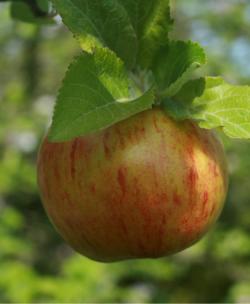
  • Falstaff Cordon apple tree, 1589, , Falstaff Cordon apple tree Falstaff Cordon apple tree
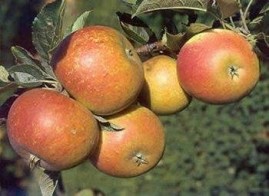
    Often regarded as an 'ideal' garden apple tree, Falstaff bears large high quality fruits freely and has an excellent crisp texture and plenty of juice. October-December season.
    Cordon Apple trees are a good choice for restricted areas and a fence or wall. They can be grown at a 45degree angle, or upright. The rootstock we use for our Falstaff cordon is M9 which is the best stock for cordon trees. Plant 60-80cm’s apart. Falstaff - this classic English-raised Apple, from EMRS in Kent in the 1960’s and introduced in 1986. One of the best garden varieties. It is a James Grieve x Golden Delicious cross. Falstaff Apple cordon apple tree – Season: Harvest early-mid October, stores until Christmas. Falstaff Apple - appearance: Medium sized, golden yellow when ripe with pretty red stripes. Falstaff apple treesflavour: Sweet but clean and crisply refreshing with plenty of juice. Good texture, never soggy or mealy. Uses: A dessert apple, has also been used for juicing. Cropping & Growth A very good tree, medium growth, healthy, hardy, produces good crops of high quality fruit. Falstaff - Pollination: Partly self fertile; ‘B’ Pollination group, so use varieties with the same or adjacent pollinating prefixes. Some good suggested varieties to go with Falstaff are listed as follows: Cox's Orange Pippin Bountiful Discovery Elstar Empire Arthur Turner
    Falstaff cordon Apple trees for sale Cordon Apple trees are a good choice for restricted areas and a fence or wall. They can be grown at a 45degree angle, or upright. The rootstock we use for our Falstaff cordon is M9 which is the best stock for cordon trees. Plant 60-80cm’s apart. Falstaff - this classic English-raised Apple, from EMRS in Kent in the 1960’s and introduced in 1986. One of the best garden varieties. It is a James Grieve x Golden Delicious cross. Falstaff Apple cordon apple tree – Season: Harvest early-mid October, stores until Christmas. Falstaff Apple - appearance: Medium sized, golden yellow when ripe with pretty red stripes. Falstaff apple trees – flavour: Sweet but clean and crisply refreshing with plenty of juice. Good texture, never soggy or mealy. Uses: A dessert apple, has also been used for juicing. Cropping & Growth A very good tree, medium growth, healthy, hardy, produces good crops of high quality fruit. Falstaff - Pollination: Partly self fertile; ‘B’ Pollination group, so use varieties with the same or adjacent pollinating prefixes. Some good suggested varieties to go with Falstaff are listed as follows: Cox's Orange Pippin Bountiful Discovery Elstar Empire Arthur Turner
    Cordon Apple Trees

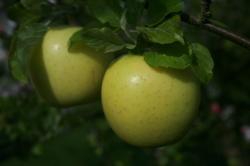
  • Limelight cordon apple tree, 1757, , Limelight cordon apple tree Limelight cordon apple tree
    Crisply juicy and refreshing dessert fruits, which may be eaten from late September through November. Self fertile & ideal for the one-tree garden; an excellent variety.
    Cordon Apple trees are a good choice for restricted areas and a fence or wall. They can be grown at a 45degree angle, or upright. The rootstock we use for our cordon Limelight is M9 which is the best stock for cordon trees. Plant 60-80cm’s apart. Limelight is a very good new English Apple tree that is regarded as the ‘perfect’ garden Apple tree. Well worth considering for your planting requirements, especiall for small gardens. Limelight cordon Apple tree – Season: This variety can be picked in late September and eaten until late November. Limelight - appearance: Although not highly coloured this is an attractive apple with a very clean and shiny appearance and luminous chartreuse green/yellow colouring throughout. Limelight apple treesflavour: Sweet but refreshingly juicy and crisp. Uses: A dessert apple primarily but may also be cooked with. Cropping & Growth A naturally small and productive tree that is easy to grow and low maintenance, needs less pruning than some. Frost and disease resistant. Limelight - Pollination: This variety is self fertile so ideal for the one tree garden. It is in the ‘B’ pollination group and is a good pollinator for other varieties within that group.
    Limelight cordon Apple trees Cordon Apple trees are a good choice for restricted areas and a fence or wall. They can be grown at a 45degree angle, or upright. The rootstock we use for our cordon Limelight is M9 which is the best stock for cordon trees. Plant 60-80cm’s apart. Limelight is a very good new English Apple tree that is regarded as the ‘perfect’ garden Apple tree. Well worth considering for your planting requirements, especiall for small gardens. Limelight cordon Apple tree – Season: This variety can be picked in late September and eaten until late November. Limelight - appearance: Although not highly coloured this is an attractive apple with a very clean and shiny appearance and luminous chartreuse green/yellow colouring throughout. Limelight apple trees – flavour: Sweet but refreshingly juicy and crisp. Uses: A dessert apple primarily but may also be cooked with. Cropping & Growth A naturally small and productive tree that is easy to grow and low maintenance, needs less pruning than some. Frost and disease resistant. Limelight - Pollination: This variety is self fertile so ideal for the one tree garden. It is in the ‘B’ pollination group and is a good pollinator for other varieties within that group.
    Cordon Apple Trees
fruit-trees.com
01366386858