Search results

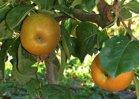
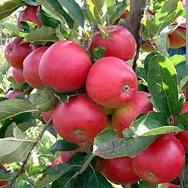
  • Sunset fan espalier tree, 1654, , Sunset fan espalier tree Sunset fan espalier tree
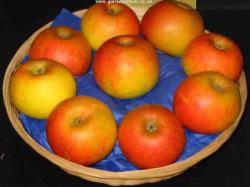
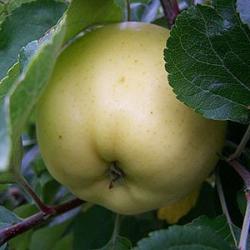
    A variety popular for almost 100 years, the fruits do indeed develop beautiful sunset colours. A rich, Cox-type flavour from medium sized fruits that will store. Generally trouble free.
    Espalier or fan trees are used against a wall; you will need not less than 180 x 180cm’s for a fan or espalier tree. Please note we do not supply ready trained trees; this Sunset apple tree is a young tree suitable for training yourself, in situ. Such trees usually settle to cropping within 2 or 3 seasons. Sunset is a Kentish raised variety, 1918, believed to be a Cox’s seedling. Often regarded as an ideal replacement for Cox, as it is easier to grow but has similar taste. One of the most popular garden apples which is always worth growing. Sunset fan espalier apple tree – Season: Pick from the tree mid October, stores well, into the New Year. Sunset – appearance: An attractive apple of no more than medium size, pale yellow background broadly flushed vermillion orange – sunset colours indeed. Sunset apple treesflavour: Quite dense, crisp texture and a superb richly aromatic flavour that is almost beyond compare. Uses: A dessert apple. Cropping & Growth A tree of medium vigour, generally trouble free and reliable. Sunset Apple Trees - Pollination: Pollination group ‘B’ partner with any varieties in the same or adjacent groups. Here are somer suggested varieties: Fortune Elstar Kidds Orange Red Bountiful Redsleeves Saturn Red Windsor Greensleeves
    Sunset fan espalier Apple Trees  Espalier or fan trees are used against a wall; you will need not less than 180 x 180cm’s for a fan or espalier tree. Please note we do not supply ready trained trees; this Sunset apple tree is a young tree suitable for training yourself, in situ. Such trees usually settle to cropping within 2 or 3 seasons. Sunset is a Kentish raised variety, 1918, believed to be a Cox’s seedling. Often regarded as an ideal replacement for Cox, as it is easier to grow but has similar taste. One of the most popular garden apples which is always worth growing. Sunset fan espalier apple tree – Season: Pick from the tree mid October, stores well, into the New Year. Sunset – appearance: An attractive apple of no more than medium size, pale yellow background broadly flushed vermillion orange – sunset colours indeed. Sunset apple trees – flavour: Quite dense, crisp texture and a superb richly aromatic flavour that is almost beyond compare. Uses: A dessert apple. Cropping & Growth A tree of medium vigour, generally trouble free and reliable. Sunset Apple Trees - Pollination: Pollination group ‘B’ partner with any varieties in the same or adjacent groups. Here are somer suggested varieties: Fortune Elstar Kidds Orange Red Bountiful Redsleeves Saturn Red Windsor Greensleeves
    Fan and Espalier Apple Trees
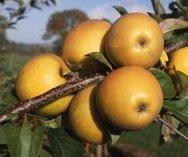
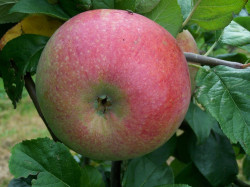
  • Kidds Orange red fan espalier, 1653, 236126, Kidds Orange red fan espalier Kidds Orange red fan espalier
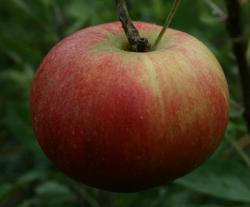
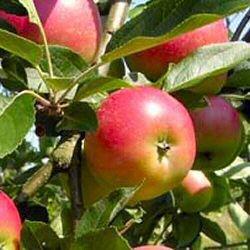
    Rich Cox-type flavour, fruits are ready early November & will store. Easier to grow than Cox.
    Espalier or fan trees are used against a wall; you will need not less than 180 x 180cm’s for a fan or espalier tree. Please note we do not supply ready trained trees; this Kidds Orange Red is a young tree suitable for training yourself, in situ. Such trees usually settle to cropping within 2 or 3 seasons Kidds Orange red was raised in New Zealand, 1927 from a Cox’s Orange x Delicious cross. Quickly became popular in England and remains an oft-planted garden apple and a good alternative to Cox’s Orange that is easier to grow. Kidds Orange Red Apple tree – Season: November and December is the best time to enjoy Kidds Orange Red. Kidds Orange Red - appearance: This is a medium sized apple of gleaming yellow-gold, heavily flushed carmine red. May have some russet patches. A beautiful apple. Kidds Orange Red apple treesflavour: Similar to a Cox’s with the same strongly aromatic, balanaced flavour, but does mellow with storing, developing floral notes. Uses: A dessert apple. Cropping & Growth An abundant cropper on a tree of medium vigour. Kidds Orange Red - Pollination: ‘B’ pollination group, use varieties with the same or adjacent groups to pollinate successfully.  Here are some suggested varieties: Discovery Elstar Empire Gala Greensleeves Bountiful Herefordshire Russet
    Kidds Orange Red fan espalier Apple trees for sale Espalier or fan trees are used against a wall; you will need not less than 180 x 180cm’s for a fan or espalier tree. Please note we do not supply ready trained trees; this Kidds Orange Red is a young tree suitable for training yourself, in situ. Such trees usually settle to cropping within 2 or 3 seasons Kidds Orange red was raised in New Zealand, 1927 from a Cox’s Orange x Delicious cross. Quickly became popular in England and remains an oft-planted garden apple and a good alternative to Cox’s Orange that is easier to grow. Kidds Orange Red Apple tree – Season: November and December is the best time to enjoy Kidds Orange Red. Kidds Orange Red - appearance: This is a medium sized apple of gleaming yellow-gold, heavily flushed carmine red. May have some russet patches. A beautiful apple. Kidds Orange Red apple trees – flavour: Similar to a Cox’s with the same strongly aromatic, balanaced flavour, but does mellow with storing, developing floral notes. Uses: A dessert apple. Cropping & Growth An abundant cropper on a tree of medium vigour. Kidds Orange Red - Pollination: ‘B’ pollination group, use varieties with the same or adjacent groups to pollinate successfully.  Here are some suggested varieties: Discovery Elstar Empire Gala Greensleeves Bountiful Herefordshire Russet
    Fan and Espalier Apple Trees
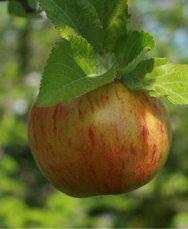
  • 5 Red Falstaff fan espalier, 1632, , 5 Red Falstaff fan espalier 5 Red Falstaff fan espalier
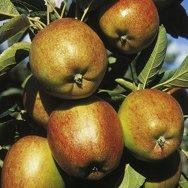
    A beautiful apple, densely covered in red, with a firm, juicy texture and good sweet flavour. For use Oct-Dec.
    • Self fertile
    • Frost hardy
    • Disease resistant
    • Very abundant cropper
    • The perfect garden apple
    Espalier or fan trees are used against a wall; you will need not less than 180 x 180cm’s for a fan or espalier tree. Please note we do not supply ready trained trees; this Red Falstaff is a young tree suitable for training yourself, in situ. Such trees usually settle to cropping within 2 or 3 seasons Red Falstaff is a recent introduction which is a cross of James Grieve x Golden Delicious. One of th very best garden apple trees which has quickly established itself and is now our top-selling variety. It has everything; flavour, appearance, storing qualities, texture, reliability and disease resistance. Oh – and it’s self fertile too! Red Falstaff Apple tree – Season: Pick early October, will store until December with little loss of texture. Red Falstaff - appearance: A handsome apple, the green-yellow base colour hardly visible beneath a dense covering of vibrant red. Red Falstaff apple treesflavour: Braeburn style but better. Dense, crunchy, juicy, sweet but not excessively so. Maintains it’s texture very well. Uses: A dessert apple. Cropping & Growth Medium growth, hardy and disease free. Heavy cropper. Red Falstaff - Pollination: Self fertile so needs no pollinating partners itself. Red Falstaff  is in pollination group ‘B’ so will pollinate varieties in the same or adjacent groups.
    Red Falstaff fan espalier Apple trees for sale Espalier or fan trees are used against a wall; you will need not less than 180 x 180cm’s for a fan or espalier tree. Please note we do not supply ready trained trees; this Red Falstaff is a young tree suitable for training yourself, in situ. Such trees usually settle to cropping within 2 or 3 seasons Red Falstaff is a recent introduction which is a cross of James Grieve x Golden Delicious. One of th very best garden apple trees which has quickly established itself and is now our top-selling variety. It has everything; flavour, appearance, storing qualities, texture, reliability and disease resistance. Oh – and it’s self fertile too! Red Falstaff Apple tree – Season: Pick early October, will store until December with little loss of texture. Red Falstaff - appearance: A handsome apple, the green-yellow base colour hardly visible beneath a dense covering of vibrant red. Red Falstaff apple trees – flavour: Braeburn style but better. Dense, crunchy, juicy, sweet but not excessively so. Maintains it’s texture very well. Uses: A dessert apple. Cropping & Growth Medium growth, hardy and disease free. Heavy cropper. Red Falstaff - Pollination: Self fertile so needs no pollinating partners itself. Red Falstaff  is in pollination group ‘B’ so will pollinate varieties in the same or adjacent groups.
    Fan and Espalier Apple Trees
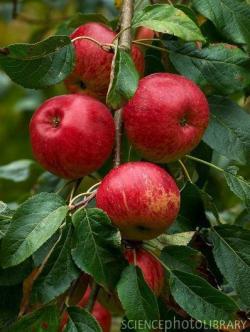
  • Golden Delicious cordon tree, 1620, , Golden Delicious cordon tree Golden Delicious cordon tree
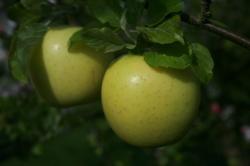
    Very sweet amd mildly flavoured with crisp, juicy flesh, green/yellow apples ready for use October onwards, will store.
    Cordon Apple trees are a good choice for restricted areas and a fence or wall. They can be grown at a 45degree angle, or upright. The rootstock we use for our cordon is M9 which is the best stock for cordon trees. Plant 60-80cm’s apart Golden Delicious is an American apple, universally popular for nearly 200 years.  Needs a favourable aspect in this country to perform it’s true potential. Golden Delicious cordon Apple tree – Season: The longer it is left on the tree the better. Will store well into the new year and beyond. Golden Delicious Apple - appearance: Even, medium sized pure pale green to golden yellow throughout. Golden Delicious apple treesflavour: Very sweet, mild, can be slightly honeyed. Crisp, juicy. Uses: A classic dessert apple. Cropping & Growth Moderate vigour, erratic cropper. Varieties such as ‘Greensleeves’ and ‘Limelight’ may be better garden alternatives with similar character. Golden Delicious - Pollination: ‘B’ Pollination group, so use varieties with the same or adjacent pollinating prefixes. Some good suggested varieties are listed as follows: Gala Empire Bountiful Falstaff Cox's Orange Pippin Fortune Egremont Russet
    Golden Delicious cordon Apple trees for sale Cordon Apple trees are a good choice for restricted areas and a fence or wall. They can be grown at a 45degree angle, or upright. The rootstock we use for our cordon is M9 which is the best stock for cordon trees. Plant 60-80cm’s apart Golden Delicious is an American apple, universally popular for nearly 200 years.  Needs a favourable aspect in this country to perform it’s true potential. Golden Delicious cordon Apple tree – Season: The longer it is left on the tree the better. Will store well into the new year and beyond. Golden Delicious Apple - appearance: Even, medium sized pure pale green to golden yellow throughout. Golden Delicious apple trees – flavour: Very sweet, mild, can be slightly honeyed. Crisp, juicy. Uses: A classic dessert apple. Cropping & Growth Moderate vigour, erratic cropper. Varieties such as ‘Greensleeves’ and ‘Limelight’ may be better garden alternatives with similar character. Golden Delicious - Pollination: ‘B’ Pollination group, so use varieties with the same or adjacent pollinating prefixes. Some good suggested varieties are listed as follows: Gala Empire Bountiful Falstaff Cox's Orange Pippin Fortune Egremont Russet
    Cordon Apple Trees
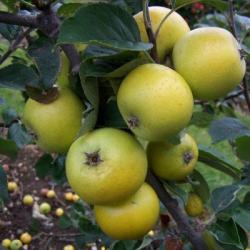
  • Limelight fan espalier, 1594, , Limelight fan espalier Limelight fan espalier
    An excellent new variety for the garden being frost resistant and self fertile, so ideal for the one-tree garden/ fruits are mid-season ripening and have a crisply juicy refreshing but not sour taste.
    Espalier or fan trees are used against a wall; you will need not less than 180 x 180cm’s for a fan or espalier tree. Please note we do not supply ready trained trees; this Limelight is a young tree suitable for training yourself, in situ. Such trees usually settle to cropping within 2 or 3 seasons. Limelight is a very good new English Apple tree that is regarded as the ‘perfect’ garden Apple tree. Well worth considering for your planting requirements, especiall for small gardens. Limelight Apple tree – Season: This variety can be picked in late September and eaten until late November. Limelight - appearance: Although not highly coloured this is an attractive apple with a very clean and shiny appearance and luminous chartreuse green/yellow colouring throughout. Limelight apple treesflavour: Sweet but refreshingly juicy and crisp. Uses: A dessert apple primarily but may also be cooked with. Cropping & Growth A naturally small and productive tree that is easy to grow and low maintenance, needs less pruning than some. Frost and disease resistant. Limelight - Pollination: This variety is self fertile so ideal for the one tree garden. It is in the ‘B’ pollination group and is a good pollinator for other varieties within that group.
    Limelight fan espalier Apple trees Espalier or fan trees are used against a wall; you will need not less than 180 x 180cm’s for a fan or espalier tree. Please note we do not supply ready trained trees; this Limelight is a young tree suitable for training yourself, in situ. Such trees usually settle to cropping within 2 or 3 seasons. Limelight is a very good new English Apple tree that is regarded as the ‘perfect’ garden Apple tree. Well worth considering for your planting requirements, especiall for small gardens. Limelight Apple tree – Season: This variety can be picked in late September and eaten until late November. Limelight - appearance: Although not highly coloured this is an attractive apple with a very clean and shiny appearance and luminous chartreuse green/yellow colouring throughout. Limelight apple trees – flavour: Sweet but refreshingly juicy and crisp. Uses: A dessert apple primarily but may also be cooked with. Cropping & Growth A naturally small and productive tree that is easy to grow and low maintenance, needs less pruning than some. Frost and disease resistant. Limelight - Pollination: This variety is self fertile so ideal for the one tree garden. It is in the ‘B’ pollination group and is a good pollinator for other varieties within that group.
    Fan and Espalier Apple Trees
  • Fall Russet cordon tree, 1584, , Fall Russet cordon tree Fall Russet cordon tree
    Beautiful, relatively early, fruits of golden brown with a rich flavour. An old heritage variety from the U.S.A.
    Cordon Apple trees are a good choice for restricted areas and a fence or wall. They can be grown at a 45degree angle, or upright. The rootstock we use for our cordon Fall Russet is M9 which is the best stock for cordon trees. Plant 60-80cm’s apart Fall Russet is an American apple, originally introduced in 1875 but was thought lost to cultivation until re-introduced in the 1950’s. Fall Russet cordon Apple tree – Season: Useful for it’s season which is earlier than most russet apples. Pick and eat through September. Fall Russet Apple - appearance: Small to medium sized heavily russetted apple. Prolific. Fall Russet apple treesflavour: Intense and cox-like. Uses: Dessert use or juicing. Cropping & Growth Medium vigour, prolific. Thin the fruit to increase fruit size. Fall Russet - Pollination: ‘A’ Pollination group, so use varieties with the same or adjacent pollinating prefixes. Here are some good suggested varieties: Beauty of Bath Egremont Russet Elstar Brownlees Russet Christmas Pearmain
    Fall Russet cordon Apple trees Cordon Apple trees are a good choice for restricted areas and a fence or wall. They can be grown at a 45degree angle, or upright. The rootstock we use for our cordon Fall Russet is M9 which is the best stock for cordon trees. Plant 60-80cm’s apart Fall Russet is an American apple, originally introduced in 1875 but was thought lost to cultivation until re-introduced in the 1950’s. Fall Russet cordon Apple tree – Season: Useful for it’s season which is earlier than most russet apples. Pick and eat through September. Fall Russet Apple - appearance: Small to medium sized heavily russetted apple. Prolific. Fall Russet apple trees – flavour: Intense and cox-like. Uses: Dessert use or juicing. Cropping & Growth Medium vigour, prolific. Thin the fruit to increase fruit size. Fall Russet - Pollination: ‘A’ Pollination group, so use varieties with the same or adjacent pollinating prefixes. Here are some good suggested varieties: Beauty of Bath Egremont Russet Elstar Brownlees Russet Christmas Pearmain
    Cordon Apple Trees
  • Downton Pippin cordon, 1556, , Downton Pippin cordon Downton Pippin cordon
    A good versatile dual purpose apple for mid-season use, origins Shropshire.
     
    Downton Pippin cordon Apple trees Cordon Apple trees are a good choice for restricted areas and a fence or wall. They can be grown at a 45degree angle, or upright. The rootstock we use for our cordon is M9 which is the best stock for cordon trees. Plant 60-80cm’s apart. Dual purpose variety from Shropshire [ciurca early 1800’s] with a very good robust flavour. Downton Pippin cordon Apple tree – Season: Harvest Downton Pippin mid September, and use by early November. Downton Pippin Apple - appearance: Small and conical bright greenish gold throughout. Catshead apple treesflavour: Robust and strong, slightly cidery. Certainly suitable for dessert use, especially when fully ripe, but also found fame in the Victorian era as a kitchen apple. Cookes, keeps a sprightly fruity character and does not lose it’s texture. Uses: Dual purpose, as above. Cropping & Growth An excellent hardy little tree, easily managed of moderate vigour. Downton Pippin - Pollination: ‘C’ Pollination group, so use varieties with the same or adjacent pollinating prefixes. Good suggested varieties include: Charles Ross Alkmene Annie Elizabeth Cornish Aromatic Catshead
    Downton Pippin cordon Apple trees Cordon Apple trees are a good choice for restricted areas and a fence or wall. They can be grown at a 45degree angle, or upright. The rootstock we use for our cordon is M9 which is the best stock for cordon trees. Plant 60-80cm’s apart. Dual purpose variety from Shropshire [ciurca early 1800’s] with a very good robust flavour. Downton Pippin cordon Apple tree – Season: Harvest Downton Pippin mid September, and use by early November. Downton Pippin Apple - appearance: Small and conical bright greenish gold throughout. Catshead apple trees – flavour: Robust and strong, slightly cidery. Certainly suitable for dessert use, especially when fully ripe, but also found fame in the Victorian era as a kitchen apple. Cookes, keeps a sprightly fruity character and does not lose it’s texture. Uses: Dual purpose, as above. Cropping & Growth An excellent hardy little tree, easily managed of moderate vigour. Downton Pippin - Pollination: ‘C’ Pollination group, so use varieties with the same or adjacent pollinating prefixes. Good suggested varieties include: Charles Ross Alkmene Annie Elizabeth Cornish Aromatic Catshead
    Cordon Apple Trees
  • Herefordshire Russet mini M27, 2007, 235929, Herefordshire Russet mini M27 Herefordshire Russet mini M27
    A particularly good garden apple variety as it is self fertile, the russet fruits have a magnificent flavour and can be enjoyed from October onwards, a recommended variety.
    This Herefordshire Russet apple tree is grown on miniature M27 stock. M27 is a rootstock that produces the smallest tree of all; maturing to around 180cm’s in height and width, this tree is ideal for a container or small garden, courtyard or allotment. It should be staked if in a windy or open position. Crops can exceed 20ibs per tree when established and this rootstock is quite precocious, often yielding the year following planting Herefordshire Russet is a new variety to the range of russets with an exciting flavour that is proving to be an ideal garden variety. Herefordshire Russet miniature Apple tree – Season: Pick early October and enjoy until the new year. Herefordshire Russet Apple - appearance: Partly russetted in gold and cinnamon, but often not as heavily covered as some in this group. Cinnamon red blush may appear. Dense cream flesh. Herefordshire Russet apple trees – flavour: Superb. Akin to a Cox with an intense, complex and aromatic flavour that is hugely enjoyable. Uses: For use as a dessert apple. Cropping & Growth Medium vigour, regular cropping. Herefordshire Russet - Pollination: Partly self fertile so can be grown on it’s own. For full cropping potential this variety is in ‘B’ Pollination group, so use varieties with the same or adjacent pollinating prefixes.
    Herefordshire Russet miniature M27 Apple trees This Herefordshire Russet apple tree is grown on miniature M27 stock. M27 is a rootstock that produces the smallest tree of all; maturing to around 180cm’s in height and width, this tree is ideal for a container or small garden, courtyard or allotment. It should be staked if in a windy or open position. Crops can exceed 20ibs per tree when established and this rootstock is quite precocious, often yielding the year following planting Herefordshire Russet is a new variety to the range of russets with an exciting flavour that is proving to be an ideal garden variety. Herefordshire Russet miniature Apple tree – Season: Pick early October and enjoy until the new year. Herefordshire Russet Apple - appearance: Partly russetted in gold and cinnamon, but often not as heavily covered as some in this group. Cinnamon red blush may appear. Dense cream flesh. Herefordshire Russet apple trees – flavour: Superb. Akin to a Cox with an intense, complex and aromatic flavour that is hugely enjoyable. Uses: For use as a dessert apple. Cropping & Growth Medium vigour, regular cropping. Herefordshire Russet - Pollination: Partly self fertile so can be grown on it’s own. For full cropping potential this variety is in ‘B’ Pollination group, so use varieties with the same or adjacent pollinating prefixes.
    Miniature Apple Trees
  • Falstaff mini M27 tree, 1991, 235718, Falstaff mini M27 tree Falstaff mini M27 tree
    Large high quality crisp and juicy fruits, for use October onwards. A very healthy and hardy tree, partly self fertile.
    This Falstaff tree is grown on miniature M27 stock. M27 is a rootstock that produces the smallest tree of all; maturing to around 180cm’s in height and width, this tree is ideal for a container or small garden, courtyard or allotment. It should be staked if in a windy or open position. Crops can exceed 20ibs per tree when established and this rootstock is quite precocious, often yielding the year following planting. Falstaff - this classic English-raised Apple, from EMRS in Kent in the 1960’s and introduced in 1986. One of the best garden varieties. It is a James Grieve x Golden Delicious cross. Falstaff Apple miniature apple tree – Season: Harvest early-mid October, stores until Christmas. Falstaff Apple - appearance: Medium sized, golden yellow when ripe with pretty red stripes. Falstaff apple trees – flavour: Sweet but clean and crisply refreshing with plenty of juice. Good texture, never soggy or mealy. Uses: A dessert apple, has also been used for juicing. Cropping & Growth A very good tree, medium growth, healthy, hardy, produces good crops of high quality fruit. Falstaff - Pollination: Partly self fertile; ‘B’ Pollination group, so use varieties with the same or adjacent pollinating prefixes. Some good suggestions are as follows: Discovery Cox's Orange Pippin Empire Elstar Alkmene Bountiful
    Falstaff miniature M27Apple trees for sale This Falstaff tree is grown on miniature M27 stock. M27 is a rootstock that produces the smallest tree of all; maturing to around 180cm’s in height and width, this tree is ideal for a container or small garden, courtyard or allotment. It should be staked if in a windy or open position. Crops can exceed 20ibs per tree when established and this rootstock is quite precocious, often yielding the year following planting. Falstaff - this classic English-raised Apple, from EMRS in Kent in the 1960’s and introduced in 1986. One of the best garden varieties. It is a James Grieve x Golden Delicious cross. Falstaff Apple miniature apple tree – Season: Harvest early-mid October, stores until Christmas. Falstaff Apple - appearance: Medium sized, golden yellow when ripe with pretty red stripes. Falstaff apple trees – flavour: Sweet but clean and crisply refreshing with plenty of juice. Good texture, never soggy or mealy. Uses: A dessert apple, has also been used for juicing. Cropping & Growth A very good tree, medium growth, healthy, hardy, produces good crops of high quality fruit. Falstaff - Pollination: Partly self fertile; ‘B’ Pollination group, so use varieties with the same or adjacent pollinating prefixes. Some good suggestions are as follows: Discovery Cox's Orange Pippin Empire Elstar Alkmene Bountiful
    Miniature Apple Trees

  • Red Falstaff stepover, 1919, 236338, Red Falstaff stepover Red Falstaff stepover
    Quite simply the best garden apple by far - it has everything. Abundant crops, good flavour, healthy disease resistance and frost hardy blossom. It is self polinating so does not need other varieties to pollinate.
    Stepover trees are used primarily for edging a border or pathway or to divide the kitche/vegetable garden. These very tiny trees are just 18” in height with two side laterals from the main stem forming a capital ‘T’ shape. The stepover tree is an ormamental addition to your garden and these trees are grown on the smallest avaailable rootstock, M27. Plant 120-150cm’s apart. Red Falstaff is a recent introduction which is a cross of James Grieve x Golden Delicious. One of th very best garden apple trees which has quickly established itself and is now our top-selling variety. It has everything; flavour, appearance, storing qualities, texture, reliability and disease resistance. Oh – and it’s self fertile too! Red Falstaff Apple tree – Season: Pick early October, will store until December with little loss of texture. Red Falstaff - appearance: A handsome apple, the green-yellow base colour hardly visible beneath a dense covering of vibrant red. Red Falstaff apple trees – flavour: Braeburn style but better. Dense, crunchy, juicy, sweet but not excessively so. Maintains it’s texture very well. Uses: A dessert apple. Cropping & Growth Medium growth, hardy and disease free. Heavy cropper. Red Falstaff - Pollination: Self fertile so needs no pollinating partners itself. Red Falstaff is in pollination group ‘B’ so will pollinate varieties in the same or adjacent groups.
    Red Falstaff stepover Red Falstaff Apple trees for sale Stepover trees are used primarily for edging a border or pathway or to divide the kitche/vegetable garden. These very tiny trees are just 18” in height with two side laterals from the main stem forming a capital ‘T’ shape. The stepover tree is an ormamental addition to your garden and these trees are grown on the smallest avaailable rootstock, M27. Plant 120-150cm’s apart. Red Falstaff is a recent introduction which is a cross of James Grieve x Golden Delicious. One of th very best garden apple trees which has quickly established itself and is now our top-selling variety. It has everything; flavour, appearance, storing qualities, texture, reliability and disease resistance. Oh – and it’s self fertile too! Red Falstaff Apple tree – Season: Pick early October, will store until December with little loss of texture. Red Falstaff - appearance: A handsome apple, the green-yellow base colour hardly visible beneath a dense covering of vibrant red. Red Falstaff apple trees – flavour: Braeburn style but better. Dense, crunchy, juicy, sweet but not excessively so. Maintains it’s texture very well. Uses: A dessert apple. Cropping & Growth Medium growth, hardy and disease free. Heavy cropper. Red Falstaff - Pollination: Self fertile so needs no pollinating partners itself. Red Falstaff is in pollination group ‘B’ so will pollinate varieties in the same or adjacent groups.
    Stepover Apple Trees
  • Peasgood Nonsuch cordon, 1778, , Peasgood Nonsuch cordon Peasgood Nonsuch cordon
    Suits culinary or dessert, a large apple with a loyal following. Also good on the show-bench. Grantham, Lincs origins.
    Cordon Apple trees are a good choice for restricted areas and a fence or wall. They can be grown at a 45degree angle, or upright. The rootstock we use for our cordon Peasgood Nonsuch is M9 which is the best stock for cordon trees. Plant 60-80cm’s apart. Raised in Grantham, 1850’s. A variety unusual in that it really can be attributed to either dessert or cooking, being equally good for either and a valuable garden tree to have. Peasgood Nonsuch Apple tree – Season: Harvest in late September and use by December. Peasgood Nonsuch - appearance: Handsome, large to very large pale green-yellow with broken red stripes predominating. Has been a good show apple. Peasgood Nonsuch apple treesflavour: As a cooker excels for baking, when stored sweet enough for dessert. Good fruity aroma and a fine balance of sugars and acidity. Uses: Very much a dual purpose apple. Cropping & Growth Medium vigour but quite spreading, arching habit. Peasgood Nonsuch - Pollination: ‘C’ pollination group, use varieties with the same or adjacent groups to pollinate successfully.  Here are some suggested varieties: Orleans Reinette Gala Charles Ross Kidds Orange Red Annie Elizabeth Bountiful Monarch
    Peasgood Nonsuch cordon Apple trees Cordon Apple trees are a good choice for restricted areas and a fence or wall. They can be grown at a 45degree angle, or upright. The rootstock we use for our cordon Peasgood Nonsuch is M9 which is the best stock for cordon trees. Plant 60-80cm’s apart. Raised in Grantham, 1850’s. A variety unusual in that it really can be attributed to either dessert or cooking, being equally good for either and a valuable garden tree to have. Peasgood Nonsuch Apple tree – Season: Harvest in late September and use by December. Peasgood Nonsuch - appearance: Handsome, large to very large pale green-yellow with broken red stripes predominating. Has been a good show apple. Peasgood Nonsuch apple trees – flavour: As a cooker excels for baking, when stored sweet enough for dessert. Good fruity aroma and a fine balance of sugars and acidity. Uses: Very much a dual purpose apple. Cropping & Growth Medium vigour but quite spreading, arching habit. Peasgood Nonsuch - Pollination: ‘C’ pollination group, use varieties with the same or adjacent groups to pollinate successfully.  Here are some suggested varieties: Orleans Reinette Gala Charles Ross Kidds Orange Red Annie Elizabeth Bountiful Monarch
    Cordon Apple Trees
  • Idared cordon tree, 1671, , Idared cordon tree Idared cordon tree
    Fine large deep red fruits, very solid, ctisp flesh. Suits dessert or cooking; stores very late, until March or beyond.
    Cordon Apple trees are a good choice for restricted areas and a fence or wall. They can be grown at a 45degree angle, or upright. The rootstock we use for our cordon is M9 which is the best stock for cordon trees. Plant 60-80cm’s apart. Idared is a popular large dual purpose apple and a good garden apple tree. USA raised, 1942. Idared cordon Apple tree – Season: Idared is quite late and best havrested not before the end of October. The fruits are quite thick skinned and will stand light frosts on the tree. They will then keep in store until the Spring. Idared - appearance: Large and solid, brightly coloured with a glorious spread of rich crimson red over a green yellow base, Interior is virtually white. Idared apple treesflavour: Light, sweet-savoury and pleasantly fruity. Cooked, needs little or no sugar and retains it’s shape. A very versatile apple and a good one to have in store. Uses: An excellent cooker but very much dual purpose too. More than acceptable for dessert in the Spring. Cropping & Growth The tree is moderately vigorous and fairly conservative. Hardy. Idared - Pollination: ‘A’ pollination group, use varieties with the same or adjacent groups to pollinate successfully.  Here are some suggested varieties: Beauty of Bath Fall Russet Christmas Pearmain Egremont Russet Falstaff Elstar
    Idared cordonApple trees Cordon Apple trees are a good choice for restricted areas and a fence or wall. They can be grown at a 45degree angle, or upright. The rootstock we use for our cordon is M9 which is the best stock for cordon trees. Plant 60-80cm’s apart. Idared is a popular large dual purpose apple and a good garden apple tree. USA raised, 1942. Idared cordon Apple tree – Season: Idared is quite late and best havrested not before the end of October. The fruits are quite thick skinned and will stand light frosts on the tree. They will then keep in store until the Spring. Idared - appearance: Large and solid, brightly coloured with a glorious spread of rich crimson red over a green yellow base, Interior is virtually white. Idared apple trees – flavour: Light, sweet-savoury and pleasantly fruity. Cooked, needs little or no sugar and retains it’s shape. A very versatile apple and a good one to have in store. Uses: An excellent cooker but very much dual purpose too. More than acceptable for dessert in the Spring. Cropping & Growth The tree is moderately vigorous and fairly conservative. Hardy. Idared - Pollination: ‘A’ pollination group, use varieties with the same or adjacent groups to pollinate successfully.  Here are some suggested varieties: Beauty of Bath Fall Russet Christmas Pearmain Egremont Russet Falstaff Elstar
    Cordon Apple Trees
  • Fortune cordon tree, 1595, , Fortune cordon tree Fortune cordon tree
    A good variety for second early use with a flavour akin to a Cox's. Easy to grow and a popular garden variety.
    Cordon Apple trees are a good choice for restricted areas and a fence or wall. They can be grown at a 45degree angle, or upright. The rootstock we use for our cordon Laxtons Fortune is M9 which is the best stock for cordon trees. Plant 60-80cm’s apart. Syn ‘Laxtons Fortune’ Often reffered to as an early Cox, this Bedfordshire introduction was introduced in 1931 from a Cox’s cross. It is a popular garden apple and well worth growing to have that Cox-type flavour so early in the season. Fortune cordon Apple tree – Season: Harvest early September, for eating through September and into early October. Fortune - appearance: Not especially attractive, green/yellow with some dull red flush on the sunny side. Fortune apple treesflavour: Should be allowed to hang on the tree to full maturity whereupon the flavour develops to it’s full potential; rich, deep, aromatic and juicy with plenty of sweetness too. Harvested too soon and it can be disappointing. Uses: A dessert apple. Cropping & Growth Fortune is a tree of moderate vigour, hardy and free fruiting, although can be biennial if not thinned. Fortune - Pollination: ‘B’ pollination group, use varieties with the same or adjacent groups to pollinate successfully.  Here are some suggestions: Cox's Orange Pippin Discovery Falstaff Elstar Bountiful Charles Ross
    Fortune Apple cordon apple trees for sale Cordon Apple trees are a good choice for restricted areas and a fence or wall. They can be grown at a 45degree angle, or upright. The rootstock we use for our cordon Laxtons Fortune is M9 which is the best stock for cordon trees. Plant 60-80cm’s apart. Syn ‘Laxtons Fortune’ Often reffered to as an early Cox, this Bedfordshire introduction was introduced in 1931 from a Cox’s cross. It is a popular garden apple and well worth growing to have that Cox-type flavour so early in the season. Fortune cordon Apple tree – Season: Harvest early September, for eating through September and into early October. Fortune - appearance: Not especially attractive, green/yellow with some dull red flush on the sunny side. Fortune apple trees – flavour: Should be allowed to hang on the tree to full maturity whereupon the flavour develops to it’s full potential; rich, deep, aromatic and juicy with plenty of sweetness too. Harvested too soon and it can be disappointing. Uses: A dessert apple. Cropping & Growth Fortune is a tree of moderate vigour, hardy and free fruiting, although can be biennial if not thinned. Fortune - Pollination: ‘B’ pollination group, use varieties with the same or adjacent groups to pollinate successfully.  Here are some suggestions: Cox's Orange Pippin Discovery Falstaff Elstar Bountiful Charles Ross
    Cordon Apple Trees
  • Early Victoria cordon, 1566, 235409, Early Victoria cordon Early Victoria cordon
    A good early cooker with a very good flavour. August-September use.
    Early Victoria cordon Apple trees Cordon Apple trees are a good choice for restricted areas and a fence or wall. They can be grown at a 45degree angle, or upright. The rootstock we use for our cordon is M9 which is the best stock for cordon trees. Plant 60-80cm’s apart. Early Victoria is: Syn Emneth Early; raised near Wisbech [Emneth] on the Cambridgeshire/Norfolk border. Once a popular commercial variety, this good early cooker remains  worthy of garden planting with a really nice, sweet flavour. Early Victoria cordon Apple tree – Season: Can be used from early August, through September, sometimes later. Early Victoria Apple - appearance: Entirely pale green skin, occasional yellow blush when well ripe. Round/conical. Early Victoria apple treesflavour: Rises up like a souffle, producing a delightful frothy sweet puree. Hardly needs sugar. Ideal for baking and sauces. Uses: Exclusively a culinary apple. Excels for baking and sauces. Cropping & Growth Moderately vigoorus, easy to grow. Very heavy cropping, fruit can need thinning to maintain size. Early Victoria - Pollination: ‘B’ Pollination group, so use varieties with the same or adjacent pollinating prefixes. Here are some good suggestions: Discovery Beauty of Bath Arthur Turner Bountiful Bakers Delicious Alkmene
    Early Victoria cordon Apple trees Cordon Apple trees are a good choice for restricted areas and a fence or wall. They can be grown at a 45degree angle, or upright. The rootstock we use for our cordon is M9 which is the best stock for cordon trees. Plant 60-80cm’s apart. Early Victoria is: Syn Emneth Early; raised near Wisbech [Emneth] on the Cambridgeshire/Norfolk border. Once a popular commercial variety, this good early cooker remains  worthy of garden planting with a really nice, sweet flavour. Early Victoria cordon Apple tree – Season: Can be used from early August, through September, sometimes later. Early Victoria Apple - appearance: Entirely pale green skin, occasional yellow blush when well ripe. Round/conical. Early Victoria apple trees – flavour: Rises up like a souffle, producing a delightful frothy sweet puree. Hardly needs sugar. Ideal for baking and sauces. Uses: Exclusively a culinary apple. Excels for baking and sauces. Cropping & Growth Moderately vigoorus, easy to grow. Very heavy cropping, fruit can need thinning to maintain size. Early Victoria - Pollination: ‘B’ Pollination group, so use varieties with the same or adjacent pollinating prefixes. Here are some good suggestions: Discovery Beauty of Bath Arthur Turner Bountiful Bakers Delicious Alkmene
    Cordon Apple Trees
  • Worcester Pearmain mini M27, 2375, 236673, Worcester Pearmain mini M27 Worcester Pearmain mini M27
    A prolific yield of fruits ripening in September. Distinctive sweet fruity flavour. One of the most popular varieties of all time.
    This Worcester Pearmain apple tree is grown on miniature M27 stock. M27 is a rootstock that produces the smallest tree of all; maturing to around 180cm’s in height and width, this tree is ideal for a container or small garden, courtyard or allotment. It should be staked if in a windy or open position. Crops can exceed 20ibs per tree when established and this rootstock is quite precocious, often yielding the year following planting. This is one of the most famous garden apple trees of all, 1800’s St Johns Worcester. Believed to be a seedling of Devonshire Quarrenden. Worcester is the predominant second early apple. Worcester Pearmain miniature apple tree – Season: Harvest during September to enjoy at it’s best. Worcester Pearmain – appearance: A conical apple of medium size, pale yellow with light pinky red flush and striped predominating. Worcester Pearmain apple trees – flavour: Allowed to ripen properly on the tree a fine apple, sweet and juicy with a delicate hint of strawberries. Commercial sho-bought samples are usually disappointing. Uses: Best for dessert use. Cropping & Growth A very good cropper on a tree of medium vigour that is easy to grow but unsuited to cordon growing. Best as a bush tree. Worcester Pearmain Apple Trees - Pollination: Pollination group ‘C’ partner with any varieties in the same or adjacent groups. Here are some suggested varieties: Spartan Charles Ross Howgate Wonder Greensleeves James Grieve Self fertile Cox's Pixie
    Worcester Pearmain mini M27 Worcester Pearmain miniature M27 Apple Trees for sale This Worcester Pearmain apple tree is grown on miniature M27 stock. M27 is a rootstock that produces the smallest tree of all; maturing to around 180cm’s in height and width, this tree is ideal for a container or small garden, courtyard or allotment. It should be staked if in a windy or open position. Crops can exceed 20ibs per tree when established and this rootstock is quite precocious, often yielding the year following planting. This is one of the most famous garden apple trees of all, 1800’s St Johns Worcester. Believed to be a seedling of Devonshire Quarrenden. Worcester is the predominant second early apple. Worcester Pearmain miniature apple tree – Season: Harvest during September to enjoy at it’s best. Worcester Pearmain – appearance: A conical apple of medium size, pale yellow with light pinky red flush and striped predominating. Worcester Pearmain apple trees – flavour: Allowed to ripen properly on the tree a fine apple, sweet and juicy with a delicate hint of strawberries. Commercial sho-bought samples are usually disappointing. Uses: Best for dessert use. Cropping & Growth A very good cropper on a tree of medium vigour that is easy to grow but unsuited to cordon growing. Best as a bush tree. Worcester Pearmain Apple Trees - Pollination: Pollination group ‘C’ partner with any varieties in the same or adjacent groups. Here are some suggested varieties: Spartan Charles Ross Howgate Wonder Greensleeves James Grieve Self fertile Cox's Pixie
    Miniature Apple Trees
  • Braeburn stepover tree, 1864, 235135, Braeburn stepover tree Braeburn stepover tree
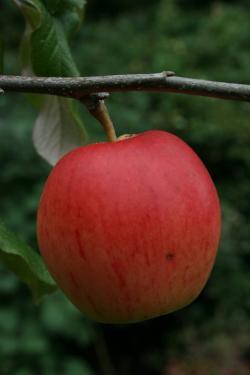
    Braeburn is a very popular tree, valued for it's very crisp texture and late storing qualities.
    Stepover trees are used primarily for edging a border or pathway or to divide the kitche/vegetable garden. These very tiny trees are just 18” in height with two side laterals from the main stem forming a capital ‘T’ shape. The stepover tree is an ormamental addition to your garden and these trees are grown on the smallest avaailable rootstock, M27. Plant 120-150cm’s apart. Braeburn is now one of the famous names in apples worldwide. It’s fruits are large and very crispy, with a refreshing flavour. Braeburn Apple trees need a favourable aspect and a warm autumn to develop fully. It’s origins lie in New Zealand. Braeburn apple trees have very attractive blossom. Braeurn stepover Apple tree – Season: This is a very late apple. Leave on the tree as long as possible before harvesting and continue to ripen in store. Best enjoyed from late November through until the Spring. Braeburn Apple - appearance: Large, tall, conical and olive green turning slightly more yellow as it matures fully. Variably covered by a handsome red flush. Braeburn stepover apple treesflavour: Sub-acid and refreshing, the green flesh is solid, crunchy and crisp, even when fully ripe. Somewhat lacking in flavour by classic apple standards, but seems to suit todays pallette. Uses: Primarily a dessert apple but could also be used for cooking, especially slicing for use in open tarts. Cropping & Growth Fairly vigorous, spurs freely so useful for cordon growing. As a bush tree demands a sheltered, warm aspect or locality. Braeburn - Pollination: Braeburn is in ‘C’ pollination group so use varieties in the same or adjacent group to polinate.
    Braeburn stepover Apple Tree for sale Stepover trees are used primarily for edging a border or pathway or to divide the kitche/vegetable garden. These very tiny trees are just 18” in height with two side laterals from the main stem forming a capital ‘T’ shape. The stepover tree is an ormamental addition to your garden and these trees are grown on the smallest avaailable rootstock, M27. Plant 120-150cm’s apart. Braeburn is now one of the famous names in apples worldwide. It’s fruits are large and very crispy, with a refreshing flavour. Braeburn Apple trees need a favourable aspect and a warm autumn to develop fully. It’s origins lie in New Zealand. Braeburn apple trees have very attractive blossom. Braeurn stepover Apple tree – Season: This is a very late apple. Leave on the tree as long as possible before harvesting and continue to ripen in store. Best enjoyed from late November through until the Spring. Braeburn Apple - appearance: Large, tall, conical and olive green turning slightly more yellow as it matures fully. Variably covered by a handsome red flush. Braeburn stepover apple trees – flavour: Sub-acid and refreshing, the green flesh is solid, crunchy and crisp, even when fully ripe. Somewhat lacking in flavour by classic apple standards, but seems to suit todays pallette. Uses: Primarily a dessert apple but could also be used for cooking, especially slicing for use in open tarts. Cropping & Growth Fairly vigorous, spurs freely so useful for cordon growing. As a bush tree demands a sheltered, warm aspect or locality. Braeburn - Pollination: Braeburn is in ‘C’ pollination group so use varieties in the same or adjacent group to polinate.
    Stepover Apple Trees
  • Winston mini M27, 2371, 236656, Winston mini M27 Winston mini M27
    Taste is like a lighter Cox, fruits have a purple-red flush that brightens in storage. Can be kept well into the Spring.
    This tree is grown on miniature M27 stock. M27 is a rootstock that produces the smallest tree of all; maturing to around 180cm’s in height and width, this tree is ideal for a container or small garden, courtyard or allotment. It should be staked if in a windy or open position. Crops can exceed 20ibs per tree when established and this rootstock is quite precocious, often yielding the year following planting. Winston arose in Berkshire, 1920, from a Cox’s Orange x Worcester cross. A useful late storing apple that is easy to grow and disease resistant. Winston miniature apple tree – Season: Very late; harvest in November and eat from storage December to April. Winston – appearance: Small to medium in size, green with purplish flush and stripes, becoming brighter in storage. Winston apple trees – flavour: An aromatic Cox-type flavour, mellows later. Uses: A dessert apple for late use. Cropping & Growth Moderately vigorous, suitable for growing everywhere and easy to grow. Winston Apple Trees - Pollination: Partly self fertile so will yield on it’s own. Pollination group ‘D’
    Winston mini M27 Winston miniature M27 Apple Trees This tree is grown on miniature M27 stock. M27 is a rootstock that produces the smallest tree of all; maturing to around 180cm’s in height and width, this tree is ideal for a container or small garden, courtyard or allotment. It should be staked if in a windy or open position. Crops can exceed 20ibs per tree when established and this rootstock is quite precocious, often yielding the year following planting. Winston arose in Berkshire, 1920, from a Cox’s Orange x Worcester cross. A useful late storing apple that is easy to grow and disease resistant. Winston miniature apple tree – Season: Very late; harvest in November and eat from storage December to April. Winston – appearance: Small to medium in size, green with purplish flush and stripes, becoming brighter in storage. Winston apple trees – flavour: An aromatic Cox-type flavour, mellows later. Uses: A dessert apple for late use. Cropping & Growth Moderately vigorous, suitable for growing everywhere and easy to grow. Winston Apple Trees - Pollination: Partly self fertile so will yield on it’s own. Pollination group ‘D’
    Miniature Apple Trees
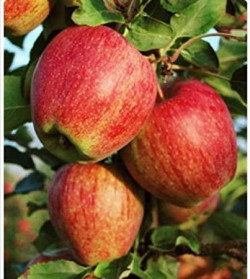
  • Tydemans Late Orange mini M27, 2369, 27_236574, Tydemans Late Orange mini M27 Tydemans Late Orange mini M27
    A true late variety with considerable storage qualities, the flavour is superb. Freely fruiting on a vigorous growing tree.
    This tree is grown on miniature M27 stock. M27 is a rootstock that produces the smallest tree of all; maturing to around 180cm’s in height and width, this tree is ideal for a container or small garden, courtyard or allotment. It should be staked if in a windy or open position. Crops can exceed 20ibs per tree when established and this rootstock is quite precocious, often yielding the year following planting. This is a variety raised by EMRS Kent, 1930, received an RHS Award of Garden Merit in 1965. A cross between Laxtons Suoperb and Cox’s orange, combining both parents superb atste. Much esteemed late storing apple. Tydemans Late Orange miniature apple tree – Season: Pick as late as possible in November, and enjoy from storage December to March. Tydemans Late Orange – appearance: Small to medium sized conical green-yellow flushed and striped dark purple-red. Tydemans Late Orange apple trees – flavour: Robustly flavoured, strongly aromatic, truly like the best of both parents. Uses: A dessert apple. Cropping & Growth A vigorous freely branched tree. Fruit can be small unless thinned. Tydemans Late Orange Apple Trees - Pollination: Pollination group ‘C’ partner with any varieties in the same or adjacent groups. Here are some suggested varieties: Pixie Charles Ross Herefordshire Russet Greensleeves Self fertile Cox's Howgate Wonder Spartan
    Tydemans Late Orange mini M27 Tydemans Late Orange mini M27 Apple Trees for sale This tree is grown on miniature M27 stock. M27 is a rootstock that produces the smallest tree of all; maturing to around 180cm’s in height and width, this tree is ideal for a container or small garden, courtyard or allotment. It should be staked if in a windy or open position. Crops can exceed 20ibs per tree when established and this rootstock is quite precocious, often yielding the year following planting. This is a variety raised by EMRS Kent, 1930, received an RHS Award of Garden Merit in 1965. A cross between Laxtons Suoperb and Cox’s orange, combining both parents superb atste. Much esteemed late storing apple. Tydemans Late Orange miniature apple tree – Season: Pick as late as possible in November, and enjoy from storage December to March. Tydemans Late Orange – appearance: Small to medium sized conical green-yellow flushed and striped dark purple-red. Tydemans Late Orange apple trees – flavour: Robustly flavoured, strongly aromatic, truly like the best of both parents. Uses: A dessert apple. Cropping & Growth A vigorous freely branched tree. Fruit can be small unless thinned. Tydemans Late Orange Apple Trees - Pollination: Pollination group ‘C’ partner with any varieties in the same or adjacent groups. Here are some suggested varieties: Pixie Charles Ross Herefordshire Russet Greensleeves Self fertile Cox's Howgate Wonder Spartan
    Miniature Apple Trees
  • Ribston Pippin mini M27, 2234, 236364, Ribston Pippin mini M27 Ribston Pippin mini M27
    This renowned old variety originates from Yorkshire and has large Cox-type apples with an exceptional flavour. The fruits will store until January.
    This tree Ribston Pippin apple tree is grown on miniature M27 stock. M27 is a rootstock that produces the smallest tree of all; maturing to around 180cm’s in height and width, this tree is ideal for a container or small garden, courtyard or allotment. It should be staked if in a windy or open position. Crops can exceed 20ibs per tree when established and this rootstock is quite precocious, often yielding the year following planting. Ribston Pippin - This is a Yorskhire variety, raised in 1707. A good Cox replacement, easier to grow. Ribston Pippin apple tree – Season: Enjoy between November and January. Ribston Pippin – appearance: Superb red over gold when fully ripe, a little dull at first. A medium sized apple. Ribston Pippin apple treesflavour: Has the superb rich aroma of a true Cox’s, but larger and juicy. Uses: A dessert apple. Cropping & Growth Vigorous and upright grower. Ribston Pippin - Pollination: Ribston Pippin is a triploid variety so needs to be planted with two others to achieve full cropping potential. It has no useful reciprocal pollen.Here are some suggested varieties to pollinate Ribston Pippin: Red Falstaff Red Pippin Jester Meridian Howgate Wonder Bountiful Fortune Red Devil Delivery information
    Ribston Pippin fan espalier Apple Trees for sale This tree Ribston Pippin apple tree is grown on miniature M27 stock. M27 is a rootstock that produces the smallest tree of all; maturing to around 180cm’s in height and width, this tree is ideal for a container or small garden, courtyard or allotment. It should be staked if in a windy or open position. Crops can exceed 20ibs per tree when established and this rootstock is quite precocious, often yielding the year following planting. Ribston Pippin - This is a Yorskhire variety, raised in 1707. A good Cox replacement, easier to grow. Ribston Pippin apple tree – Season: Enjoy between November and January. Ribston Pippin – appearance: Superb red over gold when fully ripe, a little dull at first. A medium sized apple. Ribston Pippin apple trees – flavour: Has the superb rich aroma of a true Cox’s, but larger and juicy. Uses: A dessert apple. Cropping & Growth Vigorous and upright grower. Ribston Pippin - Pollination: Ribston Pippin is a triploid variety so needs to be planted with two others to achieve full cropping potential. It has no useful reciprocal pollen.Here are some suggested varieties to pollinate Ribston Pippin: Red Falstaff Red Pippin Jester Meridian Howgate Wonder Bountiful Fortune Red Devil Delivery information
    Miniature Apple Trees
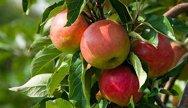
  • Laxtons Superb mini tree, 2197, 236140, Laxtons Superb mini tree Laxtons Superb mini tree
    A popular late keeper which is reliable and renowned as one of the best-tasting dessert apples of all. The fruits have a handsome purple-red flush.
    This Laxtons Superb apple tree is grown on miniature M27 stock. M27 is a rootstock that produces the smallest tree of all; maturing to around 180cm’s in height and width, this tree is ideal for a container or small garden, courtyard or allotment. It should be staked if in a windy or open position. Crops can exceed 20ibs per tree when established and this rootstock is quite precocious, often yielding the year following planting Bedfordshire apple, late 1800’s. A good Cox replacement but easier to grow. Useful storer. Laxtons Superb miniature Apple tree – Season: Pick from the tree around mid October, will store in good condition until January and sometimes longer. . Laxtons Superb - appearance: Medium to large in size with handsome purple red flush over pale green. White flesh, Laxtons Superb apple trees – flavour: A Cox type apple with some of that varieties complexity and aroma, but generally sweeter with a firm white flesh. Uses: Dessert use. Cropping & Growth Vigorous grower, especially in the early years. Hardy, productive and easy to grow. Laxtons Superb - Pollination: ‘B’ pollination group, use varieties with the same or adjacent groups to pollinate successfully. Here are some suggested varieties: Katy James Grieve Fortune Greensleeves Cox's Orange Pippin Grenadier
    Laxtons Superb miniature M27 Apple trees This Laxtons Superb apple tree is grown on miniature M27 stock. M27 is a rootstock that produces the smallest tree of all; maturing to around 180cm’s in height and width, this tree is ideal for a container or small garden, courtyard or allotment. It should be staked if in a windy or open position. Crops can exceed 20ibs per tree when established and this rootstock is quite precocious, often yielding the year following planting Bedfordshire apple, late 1800’s. A good Cox replacement but easier to grow. Useful storer. Laxtons Superb miniature Apple tree – Season: Pick from the tree around mid October, will store in good condition until January and sometimes longer. . Laxtons Superb - appearance: Medium to large in size with handsome purple red flush over pale green. White flesh, Laxtons Superb apple trees – flavour: A Cox type apple with some of that varieties complexity and aroma, but generally sweeter with a firm white flesh. Uses: Dessert use. Cropping & Growth Vigorous grower, especially in the early years. Hardy, productive and easy to grow. Laxtons Superb - Pollination: ‘B’ pollination group, use varieties with the same or adjacent groups to pollinate successfully. Here are some suggested varieties: Katy James Grieve Fortune Greensleeves Cox's Orange Pippin Grenadier
    Miniature Apple Trees

fruit-trees.com
01366386858