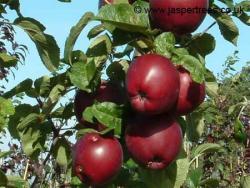
Search results

  • Greensleeves miniature M27, 2003, 235844, Greensleeves miniature M27 Greensleeves miniature M27
    A lovely compact, freely fruiting tree with abundant crops of crisp, juicy, refreshingly juicy fruits. A self fertile variety that can be grown on it's own.
    This Greensleeves apple tree is grown on miniature M27 stock. M27 is a rootstock that produces the smallest tree of all; maturing to around 180cm’s in height and width, this tree is ideal for a container or small garden, courtyard or allotment. It should be staked if in a windy or open position. Crops can exceed 20ibs per tree when established and this rootstock is quite precocious, often yielding the year following planting Greensleeves is one of the best and most popular garden apple trees; Greensleeves was introduced in 1977 from EMRS in Kent, and is a cross between James Grieve x Golden Delicious. In character it resembles a better version of the latter. Greensleeves miniature Apple tree – Season: Harvest late September, can be used through to late November. Greensleeves Apple - appearance: Medium sized, pale green ripening to pale yellow with usually no other coloration. Greensleeves apple trees – flavour: Very crisp, juicy, sweet yet refreshing. Uses: Mostly favoured for dessert use but can be cooked with and useful for open flans where appearance of the sliced fruit is important. Cropping & Growth Medium vigour, heavily cropping and trouble free. Greensleeves - Pollination: Greensleeves is self fertile so useful for one-tree gardens. It is ‘B’ Pollination group, and is an excellent pollinator for other varieties in the same or adjacent groups.
    Greensleeves miniature M27 Apple trees for sale This Greensleeves apple tree is grown on miniature M27 stock. M27 is a rootstock that produces the smallest tree of all; maturing to around 180cm’s in height and width, this tree is ideal for a container or small garden, courtyard or allotment. It should be staked if in a windy or open position. Crops can exceed 20ibs per tree when established and this rootstock is quite precocious, often yielding the year following planting Greensleeves is one of the best and most popular garden apple trees; Greensleeves was introduced in 1977 from EMRS in Kent, and is a cross between James Grieve x Golden Delicious. In character it resembles a better version of the latter. Greensleeves miniature Apple tree – Season: Harvest late September, can be used through to late November. Greensleeves Apple - appearance: Medium sized, pale green ripening to pale yellow with usually no other coloration. Greensleeves apple trees – flavour: Very crisp, juicy, sweet yet refreshing. Uses: Mostly favoured for dessert use but can be cooked with and useful for open flans where appearance of the sliced fruit is important. Cropping & Growth Medium vigour, heavily cropping and trouble free. Greensleeves - Pollination: Greensleeves is self fertile so useful for one-tree gardens. It is ‘B’ Pollination group, and is an excellent pollinator for other varieties in the same or adjacent groups.
    Miniature Apple Trees

  • George Cave mini M27 tree, 1997, 235814, George Cave mini M27 tree George Cave mini M27 tree
    Fruits ripen for use early August an on into September, has a better flavour than many earlies. 1945 raised classic variety
    This George Cave apple tree is grown on miniature M27 stock. M27 is a rootstock that produces the smallest tree of all; maturing to around 180cm’s in height and width, this tree is ideal for a container or small garden, courtyard or allotment. It should be staked if in a windy or open position. Crops can exceed 20ibs per tree when established and this rootstock is quite precocious, often yielding the year following planting George Cave was 1945 raised, this famous variety is considered one of the best-tasting earlies. George Cave miniature Apple tree – Season: Early-mid August. George Cave Apple - appearance: Small to medium sized conical greenish yellow fruits, heavily striped carmine red. George Cave apple trees – flavour: Refreshing, slightly sharp but a good balance of sugars and acidity, not as cloyingly sweet as some earlies can be. Uses: An early dessert, could be cooked with before fully ripe if desired. Cropping & Growth Medium grower, often yields well, fruit can crack in rainy years. George Cave apple trees - Pollination: ‘B’ Pollination group, so use varieties with the same or adjacent pollinating prefixes. Here are some suggested varieties: Discovery Beauty of Bath Falstaff Elstar Empire Bountiful
    George Cave miniature M27 Apple trees This George Cave apple tree is grown on miniature M27 stock. M27 is a rootstock that produces the smallest tree of all; maturing to around 180cm’s in height and width, this tree is ideal for a container or small garden, courtyard or allotment. It should be staked if in a windy or open position. Crops can exceed 20ibs per tree when established and this rootstock is quite precocious, often yielding the year following planting George Cave was 1945 raised, this famous variety is considered one of the best-tasting earlies. George Cave miniature Apple tree – Season: Early-mid August. George Cave Apple - appearance: Small to medium sized conical greenish yellow fruits, heavily striped carmine red. George Cave apple trees – flavour: Refreshing, slightly sharp but a good balance of sugars and acidity, not as cloyingly sweet as some earlies can be. Uses: An early dessert, could be cooked with before fully ripe if desired. Cropping & Growth Medium grower, often yields well, fruit can crack in rainy years. George Cave apple trees - Pollination: ‘B’ Pollination group, so use varieties with the same or adjacent pollinating prefixes. Here are some suggested varieties: Discovery Beauty of Bath Falstaff Elstar Empire Bountiful
    Miniature Apple Trees
  • Christmas Pearmain mini M27, 1961, 235254, Christmas Pearmain mini M27 Christmas Pearmain mini M27
    This 1800's raised Kentish variety has a much esteemed flavour and stores very well.
    This tree is grown on miniature M27 stock. M27 is a rootstock that produces the smallest tree of all; maturing to around 180cm’s in height and width, this tree is ideal for a container or small garden, courtyard or allotment. It should be staked if in a windy or open position. Crops can exceed 20ibs per tree when established and this rootstock is quite precocious, often yielding the year following planting. Christmas Pearmain is a Kentish raised apple, known since the late 1800’s. As the name suggests, at it’s peak of eating around Yueltide. Christmas Pearmain Miniature M27 apple tree– Season: Harvest October, November-December eating, but will store longer. Christmas Pearmain – appearance: Small to medium sized cinnamon red over green with some russet patches. Flesh greenish cream. Christmas Pearmain apple trees – flavour: A very well flavoured apple. Intense but plenty of balancing sugars. Uses: A good storing dessert apple. Cropping & Growth Christmas Pearmain is a tree of medium vigour and one which usually crops heavily. Christmas Pearmain - Pollination: Pollination group ‘A’ so pollinate with varieties in the same or adjacent groups.
    Christmas Pearmain Miniature M27 Apple Trees This tree is grown on miniature M27 stock. M27 is a rootstock that produces the smallest tree of all; maturing to around 180cm’s in height and width, this tree is ideal for a container or small garden, courtyard or allotment. It should be staked if in a windy or open position. Crops can exceed 20ibs per tree when established and this rootstock is quite precocious, often yielding the year following planting. Christmas Pearmain is a Kentish raised apple, known since the late 1800’s. As the name suggests, at it’s peak of eating around Yueltide. Christmas Pearmain Miniature M27 apple tree– Season: Harvest October, November-December eating, but will store longer. Christmas Pearmain – appearance: Small to medium sized cinnamon red over green with some russet patches. Flesh greenish cream. Christmas Pearmain apple trees – flavour: A very well flavoured apple. Intense but plenty of balancing sugars. Uses: A good storing dessert apple. Cropping & Growth Christmas Pearmain is a tree of medium vigour and one which usually crops heavily. Christmas Pearmain - Pollination: Pollination group ‘A’ so pollinate with varieties in the same or adjacent groups.
    Miniature Apple Trees
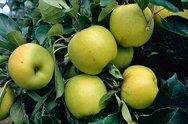
  • Tydemans Late Orange stepover, 1957, 236571, Tydemans Late Orange stepover Tydemans Late Orange stepover
    From a Cross between Laxtons Superb and Cox's Orange, both of which have superb flavours, Tydemans Late Orange has combined the best attributes of both parents. Harvest from the tree late and enjoy from storage.
    Stepover trees are used primarily for edging a border or pathway or to divide the kitchen/vegetable garden. These very tiny trees are just 18” in height with two side laterals from the main stem forming a capital ‘T’ shape. The stepover tree is an ormamental addition to your garden and these trees are grown on the smallest avaailable rootstock, M27. Plant 120-150cm’s apart. This is a variety raised by EMRS Kent, 1930, received an RHS Award of Garden Merit in 1965. A cross between Laxtons Suoperb and Cox’s orange, combining both parents superb atste. Much esteemed late storing apple. Tydemans Late Orange apple tree – Season: Pick as late as possible in November, and enjoy from storage December to March. Tydemans Late Orange – appearance: Small to medium sized conical green-yellow flushed and striped dark purple-red. Tydemans Late Orange apple trees – flavour: Robustly flavoured, strongly aromatic, truly like the best of both parents. Uses: A dessert apple. Cropping & Growth A vigorous freely branched tree. Fruit can be small unless thinned. Tydemans Late Orange Apple Trees - Pollination: Pollination group ‘C’ partner with any varieties in the same or adjacent groups. Here are some suggested varieties: Pixie Charles Ross Kidds Orange Red Greensleeves Self fertile Cox's Howgate Wonder Spartan
    Tydemans Late Orange stepover Tydemans Late Orange Apple Trees for sale Stepover trees are used primarily for edging a border or pathway or to divide the kitchen/vegetable garden. These very tiny trees are just 18” in height with two side laterals from the main stem forming a capital ‘T’ shape. The stepover tree is an ormamental addition to your garden and these trees are grown on the smallest avaailable rootstock, M27. Plant 120-150cm’s apart. This is a variety raised by EMRS Kent, 1930, received an RHS Award of Garden Merit in 1965. A cross between Laxtons Suoperb and Cox’s orange, combining both parents superb atste. Much esteemed late storing apple. Tydemans Late Orange apple tree – Season: Pick as late as possible in November, and enjoy from storage December to March. Tydemans Late Orange – appearance: Small to medium sized conical green-yellow flushed and striped dark purple-red. Tydemans Late Orange apple trees – flavour: Robustly flavoured, strongly aromatic, truly like the best of both parents. Uses: A dessert apple. Cropping & Growth A vigorous freely branched tree. Fruit can be small unless thinned. Tydemans Late Orange Apple Trees - Pollination: Pollination group ‘C’ partner with any varieties in the same or adjacent groups. Here are some suggested varieties: Pixie Charles Ross Kidds Orange Red Greensleeves Self fertile Cox's Howgate Wonder Spartan
    Stepover Apple Trees
  • Sunset stepover, 1955, 236561, Sunset stepover Sunset stepover
    A variety popular for almost 100 years, the fruits do indeed develop beautiful sunset colours. A rich, Cox-type flavour from medium sized fruits that will store. Generally trouble free.
    Stepover trees are used primarily for edging a border or pathway or to divide the kitchen/vegetable garden. These very tiny trees are just 18” in height with two side laterals from the main stem forming a capital ‘T’ shape. The stepover tree is an ormamental addition to your garden and these trees are grown on the smallest avaailable rootstock, M27. Plant 120-150cm’s apart. Sunset is a Kentish raised variety, 1918, believed to be a Cox’s seedling. Often regarded as an ideal replacement for Cox, as it is easier to grow but has similar taste. One of the most popular garden apples which is always worth growing. Sunset apple tree – Season: Pick from the tree mid October, stores well, into the New Year. Sunset – appearance: An attractive apple of no more than medium size, pale yellow background broadly flushed vermillion orange – sunset colours indeed. Sunset apple trees – flavour: Quite dense, crisp texture and a superb richly aromatic flavour that is almost beyond compare. Uses: A dessert apple. Cropping & Growth A tree of medium vigour, generally trouble free and reliable. Sunset Apple Trees - Pollination: Pollination group ‘B’ partner with any varieties in the same or adjacent groups. Here are somer suggested varieties: Fortune Elstar Kidds Orange Red Bountiful Redsleeves Saturn Red Windsor Greensleeves
    Sunset stepover Sunset stepover Apple Trees Stepover trees are used primarily for edging a border or pathway or to divide the kitchen/vegetable garden. These very tiny trees are just 18” in height with two side laterals from the main stem forming a capital ‘T’ shape. The stepover tree is an ormamental addition to your garden and these trees are grown on the smallest avaailable rootstock, M27. Plant 120-150cm’s apart. Sunset is a Kentish raised variety, 1918, believed to be a Cox’s seedling. Often regarded as an ideal replacement for Cox, as it is easier to grow but has similar taste. One of the most popular garden apples which is always worth growing. Sunset apple tree – Season: Pick from the tree mid October, stores well, into the New Year. Sunset – appearance: An attractive apple of no more than medium size, pale yellow background broadly flushed vermillion orange – sunset colours indeed. Sunset apple trees – flavour: Quite dense, crisp texture and a superb richly aromatic flavour that is almost beyond compare. Uses: A dessert apple. Cropping & Growth A tree of medium vigour, generally trouble free and reliable. Sunset Apple Trees - Pollination: Pollination group ‘B’ partner with any varieties in the same or adjacent groups. Here are somer suggested varieties: Fortune Elstar Kidds Orange Red Bountiful Redsleeves Saturn Red Windsor Greensleeves
    Stepover Apple Trees
  • Golden Delicious stepover, 1895, 235817, Golden Delicious stepover Golden Delicious stepover
    Golden Delicious will do well in a sunny, warmer aspect and rewards with sweet, crisp, mildly flavoured fruits which will store.
    Stepover trees are used primarily for edging a border or pathway or to divide the kitche/vegetable garden. These very tiny trees are just 18” in height with two side laterals from the main stem forming a capital ‘T’ shape. The Golden Delicious stepover tree is an ormamental addition to your garden and these trees are grown on the smallest avaailable rootstock, M27. Plant 120-150cm’s apart. Golden Delicious is an American apple, universally popular for nearly 200 years. Needs a favourable aspect in this country to perform it’s true potential. Golden Delicious stepover Apple tree – Season: The longer it is left on the tree the better. Will store well into the new year and beyond. Golden Delicious Apple - appearance: Even, medium sized pure pale green to golden yellow throughout. Golden Delicious apple trees – flavour: Very sweet, mild, can be slightly honeyed. Crisp, juicy. Uses: A classic dessert apple. Cropping & Growth Moderate vigour, erratic cropper. Varieties such as ‘Greensleeves’ and ‘Limelight’ may be better garden alternatives with similar character. Empire - Pollination: ‘B’ Pollination group, so use varieties with the same or adjacent pollinating prefixes. Here are some good suggested varieties: Discovery Cox's Orange Pippin Gala Arthur Turner Egremont Russet Empire
    Golden Delicious stepover Golden Delicious stepover Apple trees for sale Stepover trees are used primarily for edging a border or pathway or to divide the kitche/vegetable garden. These very tiny trees are just 18” in height with two side laterals from the main stem forming a capital ‘T’ shape. The Golden Delicious stepover tree is an ormamental addition to your garden and these trees are grown on the smallest avaailable rootstock, M27. Plant 120-150cm’s apart. Golden Delicious is an American apple, universally popular for nearly 200 years. Needs a favourable aspect in this country to perform it’s true potential. Golden Delicious stepover Apple tree – Season: The longer it is left on the tree the better. Will store well into the new year and beyond. Golden Delicious Apple - appearance: Even, medium sized pure pale green to golden yellow throughout. Golden Delicious apple trees – flavour: Very sweet, mild, can be slightly honeyed. Crisp, juicy. Uses: A classic dessert apple. Cropping & Growth Moderate vigour, erratic cropper. Varieties such as ‘Greensleeves’ and ‘Limelight’ may be better garden alternatives with similar character. Empire - Pollination: ‘B’ Pollination group, so use varieties with the same or adjacent pollinating prefixes. Here are some good suggested varieties: Discovery Cox's Orange Pippin Gala Arthur Turner Egremont Russet Empire
    Stepover Apple Trees
  • Falstaff stepover tree, 1885, 235717, Falstaff stepover tree Falstaff stepover tree
    Often regarded as an ideal garden variety, being healthy and disease resistant. The fruits are large and very crisp. October-December usage.
    Stepover trees are used primarily for edging a border or pathway or to divide the kitche/vegetable garden. These very tiny trees are just 18” in height with two side laterals from the main stem forming a capital ‘T’ shape. The Falstaff stepover tree is an ormamental addition to your garden and these trees are grown on the smallest avaailable rootstock, M27. Plant 120-150cm’s apart. Falstaff - this classic English-raised Apple, from EMRS in Kent in the 1960’s and introduced in 1986. One of the best garden varieties. It is a James Grieve x Golden Delicious cross. Falstaff Apple tree – Season: Harvest early-mid October, stores until Christmas. Falstaff Apple - appearance: Medium sized, golden yellow when ripe with pretty red stripes. Falstaff apple trees – flavour: Sweet but clean and crisply refreshing with plenty of juice. Good texture, never soggy or mealy. Uses: A dessert apple, has also been used for juicing. Cropping & Growth A very good tree, medium growth, healthy, hardy, produces good crops of high quality fruit. Falstaff - Pollination: Partly self fertile; ‘B’ Pollination group, so use varieties with the same or adjacent pollinating prefixes. Some good suggestions are as follows: Empire Cox's Orange Pippin Elstar Bountiful Arthur Turner Discovery
    Falstaff stepover tree Falstaff stepover Apple trees for sale Stepover trees are used primarily for edging a border or pathway or to divide the kitche/vegetable garden. These very tiny trees are just 18” in height with two side laterals from the main stem forming a capital ‘T’ shape. The Falstaff stepover tree is an ormamental addition to your garden and these trees are grown on the smallest avaailable rootstock, M27. Plant 120-150cm’s apart. Falstaff - this classic English-raised Apple, from EMRS in Kent in the 1960’s and introduced in 1986. One of the best garden varieties. It is a James Grieve x Golden Delicious cross. Falstaff Apple tree – Season: Harvest early-mid October, stores until Christmas. Falstaff Apple - appearance: Medium sized, golden yellow when ripe with pretty red stripes. Falstaff apple trees – flavour: Sweet but clean and crisply refreshing with plenty of juice. Good texture, never soggy or mealy. Uses: A dessert apple, has also been used for juicing. Cropping & Growth A very good tree, medium growth, healthy, hardy, produces good crops of high quality fruit. Falstaff - Pollination: Partly self fertile; ‘B’ Pollination group, so use varieties with the same or adjacent pollinating prefixes. Some good suggestions are as follows: Empire Cox's Orange Pippin Elstar Bountiful Arthur Turner Discovery
    Stepover Apple Trees
  • Elstar stepover tree, 1878, 235451, Elstar stepover tree Elstar stepover tree
    Good colour and even better flavour from this favourite variety from Europe; a good garden variety. Mid season.
    Stepover trees are used primarily for edging a border or pathway or to divide the kitche/vegetable garden. These very tiny trees are just 18” in height with two side laterals from the main stem forming a capital ‘T’ shape. The stepover tree is an ormamental addition to your garden and these trees are grown on the smallest avaailable rootstock, M27. Plant 120-150cm’s apart. Elstar is a Dutch raised variety, from a cross between Ingrid Marie and Golden Delicious. Deserves wider appreciaiton, a very good garden apple tree with a lovely flavour and attractive presentation. Elstar stepover apple trees – flavour: Delicious. Sweet and honeyed but not too syrupy with a gentle underlying acidity. Plenty of juice, good crisp texture but too firm. Elstar Apple tree – Season: Elstar can be enjoyed from October to January. Elstar Apple - appearance: Medium sized mostly conical in shape, brilliant sunny yellow with a broad red flush. Often almost too good to eat. Uses: A dessert apple. Cropping & Growth Medium vigour, hardy and easy to grow and usually very productive. Elstar - Pollination: ‘B’ Pollination group, so use varieties with the same or adjacent pollinating prefixes. Here are some suggested varieties: Cox's Orange Pippin Discovery Bountiful Arthur Turner Egremont Russet Crimson Queening
    Elstar stepover tree Elstar stepover Apple trees Stepover trees are used primarily for edging a border or pathway or to divide the kitche/vegetable garden. These very tiny trees are just 18” in height with two side laterals from the main stem forming a capital ‘T’ shape. The stepover tree is an ormamental addition to your garden and these trees are grown on the smallest avaailable rootstock, M27. Plant 120-150cm’s apart. Elstar is a Dutch raised variety, from a cross between Ingrid Marie and Golden Delicious. Deserves wider appreciaiton, a very good garden apple tree with a lovely flavour and attractive presentation. Elstar stepover apple trees – flavour: Delicious. Sweet and honeyed but not too syrupy with a gentle underlying acidity. Plenty of juice, good crisp texture but too firm. Elstar Apple tree – Season: Elstar can be enjoyed from October to January. Elstar Apple - appearance: Medium sized mostly conical in shape, brilliant sunny yellow with a broad red flush. Often almost too good to eat. Uses: A dessert apple. Cropping & Growth Medium vigour, hardy and easy to grow and usually very productive. Elstar - Pollination: ‘B’ Pollination group, so use varieties with the same or adjacent pollinating prefixes. Here are some suggested varieties: Cox's Orange Pippin Discovery Bountiful Arthur Turner Egremont Russet Crimson Queening
    Stepover Apple Trees
  • William Crump cordon, 1844, , William Crump cordon William Crump cordon
    An old variety that nevertheless seems to be cominmg back into favour. Very good flavour, a late dessert variety for storing and use until February or beyond.
    Cordon Apple trees are a good choice for restricted areas and a fence or wall. They can be grown at a 45degree angle, or upright. The rootstock we use for our cordon William Crump is M9 which is the best stock for cordon trees. Plant 60-80cm’s apart. William Crump is thought to have originated in Worcestershire in the 1800’s. This old variety has recently received a new lease of life and is once again being planted in gardens and orchards. It is quite late and very well flavoured. Another Cox x Worcester cross. William Crump cordon apple tree – Season: Harvest late October, keeps until February, sometimes longer. William Crump – appearance: Medium to large green-yellow striped current red. William Crump apple treesflavour: Like a pineapple flavoured Cox, mellows later. Plenty of juice. Uses: Primarily an apple for enjoying fresh. Cropping & Growth Vigorous, but upright so easily managed. A good cropper. Wellington Apple Trees - Pollination: Pollination group ‘B’ partner with any varieties in the same or adjacent groups. Here are some suggested varieties: Red Pippin Redsleeves Keswick Codlin Sunset Arthur Turner Katy Kidds Orange Red
    William Crump cordon Apple Trees Cordon Apple trees are a good choice for restricted areas and a fence or wall. They can be grown at a 45degree angle, or upright. The rootstock we use for our cordon William Crump is M9 which is the best stock for cordon trees. Plant 60-80cm’s apart. William Crump is thought to have originated in Worcestershire in the 1800’s. This old variety has recently received a new lease of life and is once again being planted in gardens and orchards. It is quite late and very well flavoured. Another Cox x Worcester cross. William Crump cordon apple tree – Season: Harvest late October, keeps until February, sometimes longer. William Crump – appearance: Medium to large green-yellow striped current red. William Crump apple trees – flavour: Like a pineapple flavoured Cox, mellows later. Plenty of juice. Uses: Primarily an apple for enjoying fresh. Cropping & Growth Vigorous, but upright so easily managed. A good cropper. Wellington Apple Trees - Pollination: Pollination group ‘B’ partner with any varieties in the same or adjacent groups. Here are some suggested varieties: Red Pippin Redsleeves Keswick Codlin Sunset Arthur Turner Katy Kidds Orange Red
    Cordon Apple Trees
  • Ribston Pippin cordon tree, 1815, , Ribston Pippin cordon tree Ribston Pippin cordon tree
    A variety from Yorkshire that produces sizeable apples in the Cox style. Vigorous grower, season for eating runs into January. Highly regarded variety.
    Cordon Apple trees are a good choice for restricted areas and a fence or wall. They can be grown at a 45degree angle, or upright. The rootstock we use for our cordon Ribston Pippin is M9 which is the best stock for cordon trees. Plant 60-80cm’s apart. Ribston Pippin - This is a Yorskhire variety, raised in 1707. A good Cox replacement, easier to grow. Ribston Pippin apple tree – Season: Enjoy between November and January. Ribston Pippin – appearance: Superb red over gold when fully ripe, a little dull at first. A medium sized apple. Ribston Pippin apple treesflavour: Has the superb rich aroma of a true Cox’s, but larger and juicy. Uses: A dessert apple. Cropping & Growth Vigorous and upright grower. Ribston Pippin - Pollination: Ribston Pippin is a triploid variety so needs to be planted with two others to achieve full cropping potential. It has no useful reciprocal pollen.Here are some suggested varieties to pollinate Ribston Pippin: Red Falstaff Red Pippin Jester Meridian Howgate Wonder Bountiful Fortune Redsleeves
    Ribston Pippin fan espalier Apple Trees for sale Cordon Apple trees are a good choice for restricted areas and a fence or wall. They can be grown at a 45degree angle, or upright. The rootstock we use for our cordon Ribston Pippin is M9 which is the best stock for cordon trees. Plant 60-80cm’s apart. Ribston Pippin - This is a Yorskhire variety, raised in 1707. A good Cox replacement, easier to grow. Ribston Pippin apple tree – Season: Enjoy between November and January. Ribston Pippin – appearance: Superb red over gold when fully ripe, a little dull at first. A medium sized apple. Ribston Pippin apple trees – flavour: Has the superb rich aroma of a true Cox’s, but larger and juicy. Uses: A dessert apple. Cropping & Growth Vigorous and upright grower. Ribston Pippin - Pollination: Ribston Pippin is a triploid variety so needs to be planted with two others to achieve full cropping potential. It has no useful reciprocal pollen.Here are some suggested varieties to pollinate Ribston Pippin: Red Falstaff Red Pippin Jester Meridian Howgate Wonder Bountiful Fortune Redsleeves
    Cordon Apple Trees
  • Laxtons Superb cordon tree, 1754, , Laxtons Superb cordon tree Laxtons Superb cordon tree
    Medium to large quality fruits with a beautiful cream flesh and strongly purple-red flushed exterior. Wonderful flavour; a favourite late keeper.
    Cordon Apple trees are a good choice for restricted areas and a fence or wall. They can be grown at a 45degree angle, or upright. The rootstock we use for our cordon Laxtons Superb is M9 which is the best stock for cordon trees. Plant 60-80cm’s apart. Bedfordshire apple, late 1800’s. A good Cox replacement but easier to grow. Useful storer. Laxtons Superb cordon Apple tree – Season: Pick from the tree around mid October, will store in good condition until January and sometimes longer. . Laxtons Superb - appearance: Medium to large in size with handsome purple red flush over pale green. White flesh, Laxtons Superb apple treesflavour: A Cox type apple with some of that varieties complexity and aroma, but generally sweeter with a firm white flesh. Uses: Dessert use. Cropping & Growth Vigorous grower, especially in the early years. Hardy, productive and easy to grow. Laxtons Superb - Pollination: ‘B’ pollination group, use varieties with the same or adjacent groups to pollinate successfully.  Here are some suggested varieties: James Grieve Katy Cox's Orange Pippin Grenadier Fortune Greensleeves
    Laxtons Superb cordon Apple trees Cordon Apple trees are a good choice for restricted areas and a fence or wall. They can be grown at a 45degree angle, or upright. The rootstock we use for our cordon Laxtons Superb is M9 which is the best stock for cordon trees. Plant 60-80cm’s apart. Bedfordshire apple, late 1800’s. A good Cox replacement but easier to grow. Useful storer. Laxtons Superb cordon Apple tree – Season: Pick from the tree around mid October, will store in good condition until January and sometimes longer. . Laxtons Superb - appearance: Medium to large in size with handsome purple red flush over pale green. White flesh, Laxtons Superb apple trees – flavour: A Cox type apple with some of that varieties complexity and aroma, but generally sweeter with a firm white flesh. Uses: Dessert use. Cropping & Growth Vigorous grower, especially in the early years. Hardy, productive and easy to grow. Laxtons Superb - Pollination: ‘B’ pollination group, use varieties with the same or adjacent groups to pollinate successfully.  Here are some suggested varieties: James Grieve Katy Cox's Orange Pippin Grenadier Fortune Greensleeves
    Cordon Apple Trees
  • Laxtons Epicure cordon tree, 1751, , Laxtons Epicure cordon tree Laxtons Epicure cordon tree
    Second early dessert variety with a flavour similar to a 'light' Cox. An old favourite raised in Bedfordshire.
    Cordon Apple trees are a good choice for restricted areas and a fence or wall. They can be grown at a 45degree angle, or upright. The rootstock we use for our cordonLaxtons Epicure is M9 which is the best stock for cordon trees. Plant 60-80cm’s apart Bedford raised, introduced 1909 from a Cox cross. Has been a popular early ripening garden variety for many years. Largely trouble free.’Epicure’ is the same. Laxtons Epicure Apple tree – Season: For use from late August through September. Epicure - appearance: A small apple of bright green with colourful red striping. Laxtons Epicure apple treesflavour: Crisp, juicy and sweet with a little of the aromatic qualities of a Cox’s too. Rather like a ‘light’ Cox. Uses: A dessert apple. Cropping & Growth Medium grower, frost hardy and reliable. Laxtons Epicure - Pollination: ‘B’ pollination group, use varieties with the same or adjacent groups to pollinate successfully.  Here are some suggested varieties: Katy James Grieve Egremont Russet Fortune Arthur Turner Cox's Orange Pippin
    Laxtons Epicure cordon Apple trees Cordon Apple trees are a good choice for restricted areas and a fence or wall. They can be grown at a 45degree angle, or upright. The rootstock we use for our cordonLaxtons Epicure is M9 which is the best stock for cordon trees. Plant 60-80cm’s apart Bedford raised, introduced 1909 from a Cox cross. Has been a popular early ripening garden variety for many years. Largely trouble free.’Epicure’ is the same. Laxtons Epicure Apple tree – Season: For use from late August through September. Epicure - appearance: A small apple of bright green with colourful red striping. Laxtons Epicure apple trees – flavour: Crisp, juicy and sweet with a little of the aromatic qualities of a Cox’s too. Rather like a ‘light’ Cox. Uses: A dessert apple. Cropping & Growth Medium grower, frost hardy and reliable. Laxtons Epicure - Pollination: ‘B’ pollination group, use varieties with the same or adjacent groups to pollinate successfully.  Here are some suggested varieties: Katy James Grieve Egremont Russet Fortune Arthur Turner Cox's Orange Pippin
    Cordon Apple Trees
  • Winston fan espalier, 1685, , Winston fan espalier Winston fan espalier
    One of the better truly late dessert apples; has excellent keeping qualities and good disease resistance. Flavour like Cox's but lighter.
    Espalier or fan trees are used against a wall; you will need not less than 180 x 180cm’s for a fan or espalier tree. Please note we do not supply ready trained trees; this Winston is a young tree suitable for training yourself, in situ. Such trees usually settle to cropping within 2 or 3 seasons. Winston arose in Berkshire, 1920, from a Cox’s Orange x Worcester cross. A useful late storing apple that is easy to grow and disease resistant. Winston apple tree – Season: Very late; harvest in November and eat from storage December to April. Winston – appearance: Small to medium in size, green with purplish flush and stripes, becoming brighter in storage. Winston apple treesflavour: An aromatic Cox-type flavour, mellows later. Uses: A dessert apple for late use. Cropping & Growth Moderately vigorous, suitable for growing everywhere and easy to grow. Winston Apple Trees - Pollination: Partly self fertile so will yield on it’s own. Pollination group ‘D’
    Winston fan espalier Apple Trees Espalier or fan trees are used against a wall; you will need not less than 180 x 180cm’s for a fan or espalier tree. Please note we do not supply ready trained trees; this Winston is a young tree suitable for training yourself, in situ. Such trees usually settle to cropping within 2 or 3 seasons. Winston arose in Berkshire, 1920, from a Cox’s Orange x Worcester cross. A useful late storing apple that is easy to grow and disease resistant. Winston apple tree – Season: Very late; harvest in November and eat from storage December to April. Winston – appearance: Small to medium in size, green with purplish flush and stripes, becoming brighter in storage. Winston apple trees – flavour: An aromatic Cox-type flavour, mellows later. Uses: A dessert apple for late use. Cropping & Growth Moderately vigorous, suitable for growing everywhere and easy to grow. Winston Apple Trees - Pollination: Partly self fertile so will yield on it’s own. Pollination group ‘D’
    Fan and Espalier Apple Trees
  • Tydemans Late Orange fan espalier., 1684, , Tydemans Late Orange fan espalier. Tydemans Late Orange fan espalier.
    A true late variety with considerable storage qualities, the flavour is superb. Freely fruiting on a vigorous growing tree.
    Espalier or fan trees are used against a wall; you will need not less than 180 x 180cm’s for a fan or espalier tree. Please note we do not supply ready trained trees; this Tydemans Late Orange is a young tree suitable for training yourself, in situ. Such trees usually settle to cropping within 2 or 3 seasons. This is a variety raised by EMRS Kent, 1930, received an RHS Award of Garden Merit in 1965. A cross between Laxtons Suoperb and Cox’s orange, combining both parents superb atste. Much esteemed late storing apple. Tydemans Late Orange apple tree – Season: Pick as late as possible in November, and enjoy from storage December to March. Tydemans Late Orange – appearance: Small to medium sized conical green-yellow flushed and striped dark purple-red. Tydemans Late Orange apple treesflavour: Robustly flavoured, strongly aromatic, truly like the best of both parents. Uses: A dessert apple. Cropping & Growth A vigorous freely branched tree. Fruit can be small unless thinned. Tydemans Late Orange Apple Trees - Pollination: Pollination group ‘C’ partner with any varieties in the same or adjacent groups. Here are some suggested varieties: Pixie Charles Ross Kidds Orange Red Greensleeves Self fertile Cox's Howgate Wonder Spartan
    Tydemans Late Orange Apple Trees for sale Espalier or fan trees are used against a wall; you will need not less than 180 x 180cm’s for a fan or espalier tree. Please note we do not supply ready trained trees; this Tydemans Late Orange is a young tree suitable for training yourself, in situ. Such trees usually settle to cropping within 2 or 3 seasons. This is a variety raised by EMRS Kent, 1930, received an RHS Award of Garden Merit in 1965. A cross between Laxtons Suoperb and Cox’s orange, combining both parents superb atste. Much esteemed late storing apple. Tydemans Late Orange apple tree – Season: Pick as late as possible in November, and enjoy from storage December to March. Tydemans Late Orange – appearance: Small to medium sized conical green-yellow flushed and striped dark purple-red. Tydemans Late Orange apple trees – flavour: Robustly flavoured, strongly aromatic, truly like the best of both parents. Uses: A dessert apple. Cropping & Growth A vigorous freely branched tree. Fruit can be small unless thinned. Tydemans Late Orange Apple Trees - Pollination: Pollination group ‘C’ partner with any varieties in the same or adjacent groups. Here are some suggested varieties: Pixie Charles Ross Kidds Orange Red Greensleeves Self fertile Cox's Howgate Wonder Spartan
    Fan and Espalier Apple Trees
  • Howgate Wonder cordon, 1667, , Howgate Wonder cordon Howgate Wonder cordon
    Very large fruits, this culinary variety is frost hardy and the fruit keeps some shape and texture when cooked. Good flavour, ready from November onwards & will store.
    Cordon Apple trees are a good choice for restricted areas and a fence or wall. They can be grown at a 45degree angle, or upright. The rootstock we use for our cordon Howgate Wonder is M9 which is the best stock for cordon trees. Plant 60-80cm’s apart Howgate Wonder is one of the best cooking apple trees for garden or orchard, introduced from the Isle of Wight in 1929 from a Blenheim Orange x Newton Wonder cross. Highly recommended variety. Howgate Wonder cordon Apple tree – Season: The season of Howgate Wonder apples is genmerally from November to January. Howgate Wonder - appearance: Very large and weighty, deep green usually with a prominent maroon flush. Interior is cream-white. Howgate Wonder apple treesflavour: Sweet and fruity. Keeps it’s shape more-or-less when cooked and turns a deeper shade of creamy yellow. Ideal for pies and recipes where the appearance of the end product is important. Also ideal for chutneys. Uses: A culinary apple. Cropping & Growth Vigorous, spreading with heavy reliable crops of very large fruit. Good disease resistance and a good variety for cold areas. Howgate Wonder - Pollination: ‘C’ pollination group, use varieties with the same or adjacent groups to pollinate successfully.  Here are some suggested varieties: Charles Ross Falstaff Gala Allington Pippin Catshead
    Howgate Wonder cordon Apple trees for sale Cordon Apple trees are a good choice for restricted areas and a fence or wall. They can be grown at a 45degree angle, or upright. The rootstock we use for our cordon Howgate Wonder is M9 which is the best stock for cordon trees. Plant 60-80cm’s apart Howgate Wonder is one of the best cooking apple trees for garden or orchard, introduced from the Isle of Wight in 1929 from a Blenheim Orange x Newton Wonder cross. Highly recommended variety. Howgate Wonder cordon Apple tree – Season: The season of Howgate Wonder apples is genmerally from November to January. Howgate Wonder - appearance: Very large and weighty, deep green usually with a prominent maroon flush. Interior is cream-white. Howgate Wonder apple trees – flavour: Sweet and fruity. Keeps it’s shape more-or-less when cooked and turns a deeper shade of creamy yellow. Ideal for pies and recipes where the appearance of the end product is important. Also ideal for chutneys. Uses: A culinary apple. Cropping & Growth Vigorous, spreading with heavy reliable crops of very large fruit. Good disease resistance and a good variety for cold areas. Howgate Wonder - Pollination: ‘C’ pollination group, use varieties with the same or adjacent groups to pollinate successfully.  Here are some suggested varieties: Charles Ross Falstaff Gala Allington Pippin Catshead
    Cordon Apple Trees
  • Herefordshire Russet cordon tree, 1664, , Herefordshire Russet cordon tree Herefordshire Russet cordon tree
    A new addition to the range of Russet apples with self fertile flowers that do not need another variety to set good crops. The flavour is superb; season October onwards.
    Cordon Apple trees are a good choice for restricted areas and a fence or wall. They can be grown at a 45degree angle, or upright. The rootstock we use for our cordon Hereford Russet is M9 which is the best stock for cordon trees. Plant 60-80cm’s apart. Herefordshire Russet is a new variety to the range of russets with an exciting flavour that is proving to be an ideal garden variety. Herefordshire Russet cordon Apple tree – Season: Pick early October and enjoy until the new year. Herefordshire Russet Apple - appearance: Partly russetted in gold and cinnamon, but often not as heavily covered as some in this group. Cinnamon red blush may appear. Dense cream flesh. Herefordshire Russet apple treesflavour: Superb. Akin to a Cox with an intense, complex and aromatic flavour that is hugely enjoyable. Uses: For use as a dessert apple. Cropping & Growth Medium vigour, regular cropping. Herefordshire Russet - Pollination: Partly self fertile so can be grown on it’s own. For full cropping potential this variety is in ‘B’ Pollination group, so use varieties with the same or adjacent pollinating prefixes.
    Herefordshire Russet cordon Apple trees Cordon Apple trees are a good choice for restricted areas and a fence or wall. They can be grown at a 45degree angle, or upright. The rootstock we use for our cordon Hereford Russet is M9 which is the best stock for cordon trees. Plant 60-80cm’s apart. Herefordshire Russet is a new variety to the range of russets with an exciting flavour that is proving to be an ideal garden variety. Herefordshire Russet cordon Apple tree – Season: Pick early October and enjoy until the new year. Herefordshire Russet Apple - appearance: Partly russetted in gold and cinnamon, but often not as heavily covered as some in this group. Cinnamon red blush may appear. Dense cream flesh. Herefordshire Russet apple trees – flavour: Superb. Akin to a Cox with an intense, complex and aromatic flavour that is hugely enjoyable. Uses: For use as a dessert apple. Cropping & Growth Medium vigour, regular cropping. Herefordshire Russet - Pollination: Partly self fertile so can be grown on it’s own. For full cropping potential this variety is in ‘B’ Pollination group, so use varieties with the same or adjacent pollinating prefixes.
    Cordon Apple Trees
  • Red Ellison fan espalier, 1631, , Red Ellison fan espalier Red Ellison fan espalier
    Heavily orange-red flushed skin, a very plentiful cropping tree that tends to resist frosts and disease so is easy to grow. The fruits are gently scented of aniseed.
    Espalier or fan trees are used against a wall; you will need not less than 180 x 180cm’s for a fan or espalier tree. Please note we do not supply ready trained trees; this Ellisons apple tree is a young tree suitable for training yourself, in situ. Such trees usually settle to cropping within 2 or 3 seasons. Red Ellison is simply a red sport of the Ellisons Orange apple tree. Red Ellison Apple tree – Season: Enjoy this variety from late September to November. Red Ellisons - appearance: Conical green-yellow heavily striped and mottled in red. Red Ellisons apple treesflavour: Very distinctive taste – the tender, juicy flesh has a sweet aniseed taste. Uses: A dessert apple. Cropping & Growth Medium growth, hardy and disease free. Heavy cropper. Red Ellison - Pollination: Red Ellisons is in pollination group ‘C’ so will pollinate well with varieties in the same or adjacent groups. Here are some suggested varieties: Peasgood Nonsuch Charles Ross Chivers Delight Laxtons Epicure Laxtons Superb Monarch Pitmaston Pineapple
    Red Ellison fan espalier Apple trees Espalier or fan trees are used against a wall; you will need not less than 180 x 180cm’s for a fan or espalier tree. Please note we do not supply ready trained trees; this Ellisons apple tree is a young tree suitable for training yourself, in situ. Such trees usually settle to cropping within 2 or 3 seasons. Red Ellison is simply a red sport of the Ellisons Orange apple tree. Red Ellison Apple tree – Season: Enjoy this variety from late September to November. Red Ellisons - appearance: Conical green-yellow heavily striped and mottled in red. Red Ellisons apple trees – flavour: Very distinctive taste – the tender, juicy flesh has a sweet aniseed taste. Uses: A dessert apple. Cropping & Growth Medium growth, hardy and disease free. Heavy cropper. Red Ellison - Pollination: Red Ellisons is in pollination group ‘C’ so will pollinate well with varieties in the same or adjacent groups. Here are some suggested varieties: Peasgood Nonsuch Charles Ross Chivers Delight Laxtons Epicure Laxtons Superb Monarch Pitmaston Pineapple
    Fan and Espalier Apple Trees
  • Pitmaston pineapple fan espalier, 1617, , Pitmaston pineapple fan espalier Pitmaston pineapple fan espalier
    This rather old variety dates from the 1700's and is widely celebrated for it's flavour which is rich, powerful and at times distinctly pineapple-like. Stores to the end of the year.
    Espalier or fan trees are used against a wall; you will need not less than 180 x 180cm’s for a fan or espalier tree. Please note we do not supply ready trained trees; this Pitmaston Pineapple is a young tree suitable for training yourself, in situ. Such trees usually settle to cropping within 2 or 3 seasons. Origins - Herefordshire, 1785, a seedling from Golden Pippin. A unique little apple and prominent through history and which now seems to be finding ever greater popularity again. Pitmaston Pineapple fan espalier Apple tree – Season: To be enjoyed from early October through to Christmas. Pitmaston Pineapple - appearance: A small golden apple with a fine tracery of russet. Pitmaston Pineapple apple treesflavour: An incredible taste sensation with varying nuances of honey, musk, pineapple all set against a vividly rich aromatic sharp background. Uses: A dessert apple. Cropping & Growth Moderately vigorous, upright habit. Heavy cropping but can be bi-ennial. Pitmaston Pineapple - Pollination: ‘C’ pollination group, use varieties with the same or adjacent groups to pollinate successfully.  Here are some suggested varieties: Charles Ross Empire Jonathan Catshead Allington Pippin Merton Knave
    Pitmaston Pineapple fan espalier Apple trees Espalier or fan trees are used against a wall; you will need not less than 180 x 180cm’s for a fan or espalier tree. Please note we do not supply ready trained trees; this Pitmaston Pineapple is a young tree suitable for training yourself, in situ. Such trees usually settle to cropping within 2 or 3 seasons. Origins - Herefordshire, 1785, a seedling from Golden Pippin. A unique little apple and prominent through history and which now seems to be finding ever greater popularity again. Pitmaston Pineapple fan espalier Apple tree – Season: To be enjoyed from early October through to Christmas. Pitmaston Pineapple - appearance: A small golden apple with a fine tracery of russet. Pitmaston Pineapple apple trees – flavour: An incredible taste sensation with varying nuances of honey, musk, pineapple all set against a vividly rich aromatic sharp background. Uses: A dessert apple. Cropping & Growth Moderately vigorous, upright habit. Heavy cropping but can be bi-ennial. Pitmaston Pineapple - Pollination: ‘C’ pollination group, use varieties with the same or adjacent groups to pollinate successfully.  Here are some suggested varieties: Charles Ross Empire Jonathan Catshead Allington Pippin Merton Knave
    Fan and Espalier Apple Trees
  • George Cave cordon tree, 1613, , George Cave cordon tree George Cave cordon tree
    A good early variety which may be eaten through August-September. Flavour is considered superior to many earlies. Does well as a cordon.
    Cordon Apple trees are a good choice for restricted areas and a fence or wall. They can be grown at a 45degree angle, or upright. The rootstock we use for our cordon is M9 which is the best stock for cordon trees. Plant 60-80cm’s apart George Cave was 1945 raised, this famous variety is considered one of the best-tasting earlies. George Cave cordon Apple tree – Season: Early-mid August. George Cave Apple - appearance: Small to medium sized conical greenish yellow fruits, heavily striped carmine red. George Cave apple treesflavour: Refreshing, slightly sharp but a good balance of sugars and acidity, not as cloyingly sweet as some earlies can be. Uses: An early dessert, could be cooked with before fully ripe if desired. Cropping & Growth Medium grower, often yields well, fruit can crack in rainy years. George Cave apple trees - Pollination: ‘B’ Pollination group, so use varieties with the same or adjacent pollinating prefixes. Here are some suggested varieties: Discovery Beauty of Bath Falstaff Empire Bountiful Early Victoria Arthur Turner
    George Cave cordon Apple trees Cordon Apple trees are a good choice for restricted areas and a fence or wall. They can be grown at a 45degree angle, or upright. The rootstock we use for our cordon is M9 which is the best stock for cordon trees. Plant 60-80cm’s apart George Cave was 1945 raised, this famous variety is considered one of the best-tasting earlies. George Cave cordon Apple tree – Season: Early-mid August. George Cave Apple - appearance: Small to medium sized conical greenish yellow fruits, heavily striped carmine red. George Cave apple trees – flavour: Refreshing, slightly sharp but a good balance of sugars and acidity, not as cloyingly sweet as some earlies can be. Uses: An early dessert, could be cooked with before fully ripe if desired. Cropping & Growth Medium grower, often yields well, fruit can crack in rainy years. George Cave apple trees - Pollination: ‘B’ Pollination group, so use varieties with the same or adjacent pollinating prefixes. Here are some suggested varieties: Discovery Beauty of Bath Falstaff Empire Bountiful Early Victoria Arthur Turner
    Cordon Apple Trees
  • Spartan mini M27, 2365, 236522, Spartan mini M27 Spartan mini M27
    A very popular apple for it's excellent sweet flavour and yielding pure white interior which contrasts with the stunning dark red outer skin. A very prolific cropper, easy to grow. Stores for us until late December.
    This Spartan apple tree is grown on miniature M27 stock. M27 is a rootstock that produces the smallest tree of all; maturing to around 180cm’s in height and width, this tree is ideal for a container or small garden, courtyard or allotment. It should be staked if in a windy or open position. Crops can exceed 20ibs per tree when established and this rootstock is quite precocious, often yielding the year following planting Spartan has been enormously popular in the UK for so many years it might come as a surprise to learn that this is actually an American apple, raised 1926 from a Mc Intosh cross. One of the top 10 most satisfactory garden or orchard apples. Spartan miniature apple tree – Season: For use October to the turn of the year. Spartan – appearance: A gorgeous apple almost entirely coloured dark maroon red. Inside very white; no more than medium sized. Spartan apple trees – flavour: The tender pure white flesh is decidedly sweet and mellow with a lightly fruity flavour. Notes of melon or strawberry are usually present. Uses: A dessert apple. Cropping & Growth A tree of medium vigour, very heavy cropper. Spartan Apple Trees - Pollination: Spartan is partly self fertile and belongs in pollination group ‘C’ and will pollinate well with any other varieties in the same of adjacent groups. Here are some suggested varieties: Charles Ross Greensleeves Falstaff Gala Merton Knave Self fertile Cox's Kidds Orange Red
    Spartan mini M27 Spartan miniature M27 Apple Tree This Spartan apple tree is grown on miniature M27 stock. M27 is a rootstock that produces the smallest tree of all; maturing to around 180cm’s in height and width, this tree is ideal for a container or small garden, courtyard or allotment. It should be staked if in a windy or open position. Crops can exceed 20ibs per tree when established and this rootstock is quite precocious, often yielding the year following planting Spartan has been enormously popular in the UK for so many years it might come as a surprise to learn that this is actually an American apple, raised 1926 from a Mc Intosh cross. One of the top 10 most satisfactory garden or orchard apples. Spartan miniature apple tree – Season: For use October to the turn of the year. Spartan – appearance: A gorgeous apple almost entirely coloured dark maroon red. Inside very white; no more than medium sized. Spartan apple trees – flavour: The tender pure white flesh is decidedly sweet and mellow with a lightly fruity flavour. Notes of melon or strawberry are usually present. Uses: A dessert apple. Cropping & Growth A tree of medium vigour, very heavy cropper. Spartan Apple Trees - Pollination: Spartan is partly self fertile and belongs in pollination group ‘C’ and will pollinate well with any other varieties in the same of adjacent groups. Here are some suggested varieties: Charles Ross Greensleeves Falstaff Gala Merton Knave Self fertile Cox's Kidds Orange Red
    Miniature Apple Trees
fruit-trees.com
01366386858