Search results

  • Worcester Pearmain fan espalier, 1687, , Worcester Pearmain fan espalier Worcester Pearmain fan espalier
    An excellent and highly popular second early variety with a light, fruity sweet taste. Season September; productive.
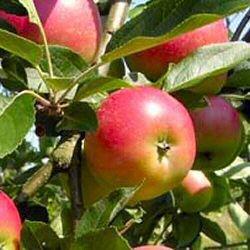
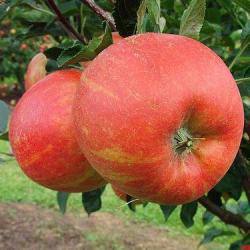
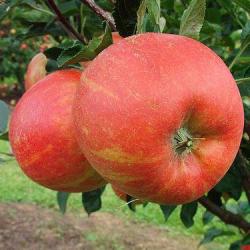
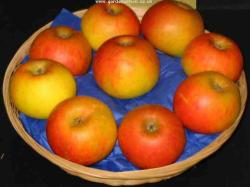
    Espalier or fan trees are used against a wall; you will need not less than 180 x 180cm’s for a fan or espalier tree. Please note we do not supply ready trained trees; this Worcester Pearmain is a young tree suitable for training yourself, in situ. Such trees usually settle to cropping within 2 or 3 seasons. This is one of the most famous garden apple trees of all, 1800’s St Johns Worcester. Believed to be a seedling of Devonshire Quarrenden. Worcester is the predominant second early apple. Worcester Pearmain fan espalier apple tree – Season: Harvest during September to enjoy at it’s best. Worcester Pearmain – appearance: A conical apple of medium size, pale yellow with light pinky red flush and striped predominating. Worcester Pearmain apple treesflavour: Allowed to ripen properly on the tree a fine apple, sweet and juicy with a delicate hint of strawberries. Commercial sho-bought samples are usually disappointing. Uses: Best for dessert use. Cropping & Growth A very good cropper on a tree of medium vigour that is easy to grow but unsuited to cordon growing. Best as a bush tree. Worcester Pearmain Apple Trees - Pollination: Pollination group ‘C’ partner with any varieties in the same or adjacent groups. Here are some suggested varieties: Spartan Charles Ross Howgate Wonder Greensleeves James Grieve Self fertile Cox's Pixie
    Worcester Pearmain fan espalier Apple Trees for sale Espalier or fan trees are used against a wall; you will need not less than 180 x 180cm’s for a fan or espalier tree. Please note we do not supply ready trained trees; this Worcester Pearmain is a young tree suitable for training yourself, in situ. Such trees usually settle to cropping within 2 or 3 seasons. This is one of the most famous garden apple trees of all, 1800’s St Johns Worcester. Believed to be a seedling of Devonshire Quarrenden. Worcester is the predominant second early apple. Worcester Pearmain fan espalier apple tree – Season: Harvest during September to enjoy at it’s best. Worcester Pearmain – appearance: A conical apple of medium size, pale yellow with light pinky red flush and striped predominating. Worcester Pearmain apple trees – flavour: Allowed to ripen properly on the tree a fine apple, sweet and juicy with a delicate hint of strawberries. Commercial sho-bought samples are usually disappointing. Uses: Best for dessert use. Cropping & Growth A very good cropper on a tree of medium vigour that is easy to grow but unsuited to cordon growing. Best as a bush tree. Worcester Pearmain Apple Trees - Pollination: Pollination group ‘C’ partner with any varieties in the same or adjacent groups. Here are some suggested varieties: Spartan Charles Ross Howgate Wonder Greensleeves James Grieve Self fertile Cox's Pixie
    Fan and Espalier Apple Trees
  • Golden Delicious mini M27, 1999, 235819, Golden Delicious mini M27 Golden Delicious mini M27
    Ideal in a more favourable aspect for the fruits to ripen properly. Crisp, juicy, mild and sweet, an unmistakeable apple.
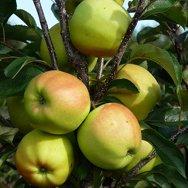
    This Golden Delicious apple tree is grown on miniature M27 stock. M27 is a rootstock that produces the smallest tree of all; maturing to around 180cm’s in height and width, this tree is ideal for a container or small garden, courtyard or allotment. It should be staked if in a windy or open position. Crops can exceed 20ibs per tree when established and this rootstock is quite precocious, often yielding the year following planting Golden Delicious is an American apple, universally popular for nearly 200 years. Needs a favourable aspect in this country to perform it’s true potential. Golden Delicious miniature Apple tree – Season: The longer it is left on the tree the better. Will store well into the new year and beyond. Golden Delicious Apple - appearance: Even, medium sized pure pale green to golden yellow throughout. Golden Delicious apple trees – flavour: Very sweet, mild, can be slightly honeyed. Crisp, juicy. Uses: A classic dessert apple. Cropping & Growth Moderate vigour, erratic cropper. Varieties such as ‘Greensleeves’ and ‘Limelight’ may be better garden alternatives with similar character. Golden Delicious - Pollination: ‘B’ Pollination group, so use varieties with the same or adjacent pollinating prefixes. Here are some suggested varieties to pollinate with Golden Delicious: Gala Discovery Egremont Russet Empire Cox's Orange Pippin Discovery George Cave
    Golden Delicious miniature M27 Apple trees for sale This Golden Delicious apple tree is grown on miniature M27 stock. M27 is a rootstock that produces the smallest tree of all; maturing to around 180cm’s in height and width, this tree is ideal for a container or small garden, courtyard or allotment. It should be staked if in a windy or open position. Crops can exceed 20ibs per tree when established and this rootstock is quite precocious, often yielding the year following planting Golden Delicious is an American apple, universally popular for nearly 200 years. Needs a favourable aspect in this country to perform it’s true potential. Golden Delicious miniature Apple tree – Season: The longer it is left on the tree the better. Will store well into the new year and beyond. Golden Delicious Apple - appearance: Even, medium sized pure pale green to golden yellow throughout. Golden Delicious apple trees – flavour: Very sweet, mild, can be slightly honeyed. Crisp, juicy. Uses: A classic dessert apple. Cropping & Growth Moderate vigour, erratic cropper. Varieties such as ‘Greensleeves’ and ‘Limelight’ may be better garden alternatives with similar character. Golden Delicious - Pollination: ‘B’ Pollination group, so use varieties with the same or adjacent pollinating prefixes. Here are some suggested varieties to pollinate with Golden Delicious: Gala Discovery Egremont Russet Empire Cox's Orange Pippin Discovery George Cave
    Miniature Apple Trees
  • Kidds Orange Red stepover, 1960, 236127, Kidds Orange Red stepover Kidds Orange Red stepover
    Kidds Orange red was raised in New Zealand, 1927 from a Cox’s Orange x Delicious cross. Quickly became popular inEngland and remains an oft-planted garden apple and a good alternative to Cox’s Orange that is easier to grow.
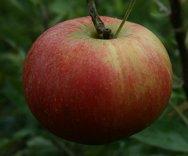
    Stepover trees are used primarily for edging a border or pathway or to divide the kitche/vegetable garden. These very tiny trees are just 18” in height with two side laterals from the main stem forming a capital ‘T’ shape. The stepover tree is an ormamental addition to your garden and these trees are grown on the smallest avaailable rootstock, M27. Plant 120-150cm’s apart. Kidds Orange red was raised in New Zealand, 1927 from a Cox’s Orange x Delicious cross. Quickly became popular in England and remains an oft-planted garden apple and a good alternative to Cox’s Orange that is easier to grow. Kidds Orange Red stepover Apple tree – Season: November and December is the best time to enjoy Kidds Orange Red. Kidds Orange Red - appearance: This is a medium sized apple of gleaming yellow-gold, heavily flushed carmine red. May have some russet patches. A beautiful apple. Kidds Orange Red apple trees – flavour: Similar to a Cox’s with the same strongly aromatic, balanaced flavour, but does mellow with storing, developing floral notes. Uses: A dessert apple. Cropping & Growth An abundant cropper on a tree of medium vigour. Kidds Orange Red - Pollination: ‘B’ pollination group, use varieties with the same or adjacent groups to pollinate successfully. Here are some suggestions: Elstar Bountiful Discovery Falstaff Herefordshire Russet Greensleeves
    Kidds Orange Red stepover Kidds Orange Red stepover Apple trees for sale Stepover trees are used primarily for edging a border or pathway or to divide the kitche/vegetable garden. These very tiny trees are just 18” in height with two side laterals from the main stem forming a capital ‘T’ shape. The stepover tree is an ormamental addition to your garden and these trees are grown on the smallest avaailable rootstock, M27. Plant 120-150cm’s apart. Kidds Orange red was raised in New Zealand, 1927 from a Cox’s Orange x Delicious cross. Quickly became popular in England and remains an oft-planted garden apple and a good alternative to Cox’s Orange that is easier to grow. Kidds Orange Red stepover Apple tree – Season: November and December is the best time to enjoy Kidds Orange Red. Kidds Orange Red - appearance: This is a medium sized apple of gleaming yellow-gold, heavily flushed carmine red. May have some russet patches. A beautiful apple. Kidds Orange Red apple trees – flavour: Similar to a Cox’s with the same strongly aromatic, balanaced flavour, but does mellow with storing, developing floral notes. Uses: A dessert apple. Cropping & Growth An abundant cropper on a tree of medium vigour. Kidds Orange Red - Pollination: ‘B’ pollination group, use varieties with the same or adjacent groups to pollinate successfully. Here are some suggestions: Elstar Bountiful Discovery Falstaff Herefordshire Russet Greensleeves
    Stepover Apple Trees
  • Pitmaston Pineapple cordon, 1781, , Pitmaston Pineapple cordon Pitmaston Pineapple cordon
    Only a small apple but has a dynamic, powerful flavour that has endeared it to many. Keeps to late December, a very ancient variety.
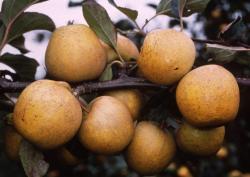
    Cordon Apple trees are a good choice for restricted areas and a fence or wall. They can be grown at a 45degree angle, or upright. The rootstock we use for our cordon Pitmaston Pineapple is M9 which is the best stock for cordon trees. Plant 60-80cm’s apart. Origins - Herefordshire, 1785, a seedling from Golden Pippin. A unique little apple and prominent through history and which now seems to be finding ever greater popularity again. Pitmaston Pineapple Apple tree – Season: To be enjoyed from early October through to Christmas. Pitmaston Pineapple - appearance: A small golden apple with a fine tracery of russet. Pitmaston Pineapple apple treesflavour: An incredible taste sensation with varying nuances of honey, musk, pineapple all set against a vividly rich aromatic sharp background. Uses: A dessert apple. Cropping & Growth Moderately vigorous, upright habit. Heavy cropping but can be bi-ennial. Pitmaston Pineapple - Pollination: ‘C’ pollination group, use varieties with the same or adjacent groups to pollinate successfully.  Here are some suggested varieties: Charles Ross Allington Pippin Charles Ross Fiesta Lord Derby Monarch Catshead
    Pitmaston Pineapple cordon Apple trees Cordon Apple trees are a good choice for restricted areas and a fence or wall. They can be grown at a 45degree angle, or upright. The rootstock we use for our cordon Pitmaston Pineapple is M9 which is the best stock for cordon trees. Plant 60-80cm’s apart. Origins - Herefordshire, 1785, a seedling from Golden Pippin. A unique little apple and prominent through history and which now seems to be finding ever greater popularity again. Pitmaston Pineapple Apple tree – Season: To be enjoyed from early October through to Christmas. Pitmaston Pineapple - appearance: A small golden apple with a fine tracery of russet. Pitmaston Pineapple apple trees – flavour: An incredible taste sensation with varying nuances of honey, musk, pineapple all set against a vividly rich aromatic sharp background. Uses: A dessert apple. Cropping & Growth Moderately vigorous, upright habit. Heavy cropping but can be bi-ennial. Pitmaston Pineapple - Pollination: ‘C’ pollination group, use varieties with the same or adjacent groups to pollinate successfully.  Here are some suggested varieties: Charles Ross Allington Pippin Charles Ross Fiesta Lord Derby Monarch Catshead
    Cordon Apple Trees
  • Winter Gem fan espalier, 1686, , Winter Gem fan espalier Winter Gem fan espalier
    This is an apple raised in the tradiitonal English style, blessed with a rich, complex and scented flavour. The fruits store very late, well into Spring. Kentish raised.
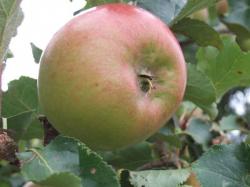
    Espalier or fan trees are used against a wall; you will need not less than 180 x 180cm’s for a fan or espalier tree. Please note we do not supply ready trained trees; this Winter Gem is a young tree suitable for training yourself, in situ. Such trees usually settle to cropping within 2 or 3 seasons. Winter Gem is an outstanding recently introduced garden apple, of Cox’s parentage. Highly recommended as a late storing variety. Winter Gem apple tree – Season: A late storing variety, pick mid-late October, use from storage right into the Spring. Winter Gem – appearance: A very pretty apple, pale green/yellow blushed with rosy pink. Winter Gem apple treesflavour: Exquisitely flavoured. Scented, complex, rich and aromatic. Uses: A dessert apple that also juices well. Good for table decoration. Cropping & Growth Medium vigour, generally trouble free. Winter Gem Apple Trees - Pollination: Pollination group ‘B’ partner with any varieties in the same or adjacent groups. Here are some suggested varieties: Red Falstaff Cox's Orange Pippin Laxtons Superb Greensleeves Saturn Grenadier Fortune James Grieve
    Winter Gem Apple Trees for sale Espalier or fan trees are used against a wall; you will need not less than 180 x 180cm’s for a fan or espalier tree. Please note we do not supply ready trained trees; this Winter Gem is a young tree suitable for training yourself, in situ. Such trees usually settle to cropping within 2 or 3 seasons. Winter Gem is an outstanding recently introduced garden apple, of Cox’s parentage. Highly recommended as a late storing variety. Winter Gem apple tree – Season: A late storing variety, pick mid-late October, use from storage right into the Spring. Winter Gem – appearance: A very pretty apple, pale green/yellow blushed with rosy pink. Winter Gem apple trees – flavour: Exquisitely flavoured. Scented, complex, rich and aromatic. Uses: A dessert apple that also juices well. Good for table decoration. Cropping & Growth Medium vigour, generally trouble free. Winter Gem Apple Trees - Pollination: Pollination group ‘B’ partner with any varieties in the same or adjacent groups. Here are some suggested varieties: Red Falstaff Cox's Orange Pippin Laxtons Superb Greensleeves Saturn Grenadier Fortune James Grieve
    Fan and Espalier Apple Trees
  • Edward VII cordon, 1572, , Edward VII cordon Edward VII cordon
    This is an excellent late cooker that is easy to grow and hardy. The fruits have a robust fruity flavour that suits many applications.
    Edward VII cordon Apple trees Cordon Apple trees are a good choice for restricted areas and a fence or wall. They can be grown at a 45degree angle, or upright. The rootstock we use for our cordon is M9 which is the best stock for cordon trees. Plant 60-80cm’s apart. A Blenheim Orange x Golden Noble cross in 1902 produced this very late cooker which sotres very well and gives season-extending qualiy culinary apples deep into the Spring. Worcestershire origins. Edward VII Apple tree – Season: Harvest late, in November and use from storage, April or beyond is possible. Edward VII Apple - appearance: A handsome shining dark green apple of medium to large size. Edward VII apple treesflavour: Robust and fruity, quite sharp so suits English tastes for more robust cookers. Cooks to a fairly firm puree, becoming sweeter later in the season. Uses: Predominantly a culinary apple. Cropping & Growth Attractive blossom, a hardy medium sized fairly upright tree that is easy to manage. Edward VII - Pollination: ‘D’ Pollination group, so use varieties with the same or adjacent pollinating prefixes.
    Edward VII cordon Apple trees Cordon Apple trees are a good choice for restricted areas and a fence or wall. They can be grown at a 45degree angle, or upright. The rootstock we use for our cordon is M9 which is the best stock for cordon trees. Plant 60-80cm’s apart. A Blenheim Orange x Golden Noble cross in 1902 produced this very late cooker which sotres very well and gives season-extending qualiy culinary apples deep into the Spring. Worcestershire origins. Edward VII Apple tree – Season: Harvest late, in November and use from storage, April or beyond is possible. Edward VII Apple - appearance: A handsome shining dark green apple of medium to large size. Edward VII apple trees – flavour: Robust and fruity, quite sharp so suits English tastes for more robust cookers. Cooks to a fairly firm puree, becoming sweeter later in the season. Uses: Predominantly a culinary apple. Cropping & Growth Attractive blossom, a hardy medium sized fairly upright tree that is easy to manage. Edward VII - Pollination: ‘D’ Pollination group, so use varieties with the same or adjacent pollinating prefixes.
    Cordon Apple Trees
  • Dr Harvey cordon, 1559, , Dr Harvey cordon Dr Harvey cordon
    An old Norfolk variety with attractive blossom and cooks well. Good for sauces and baking.
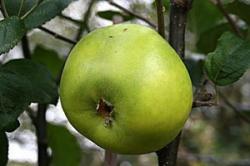
    Dr Harvey cordon Apple trees Cordon Apple trees are a good choice for restricted areas and a fence or wall. They can be grown at a 45degree angle, or upright. The rootstock we use for our cordon is M9 which is the best stock for cordon trees. Plant 60-80cm’s apart. Remains well known in Norfolk, where it was raised, this very long lived tree is a cooking variety that was once widely valued. Sometimes known simply as ‘Harvey’ and also noted for it’s attractive blossom. Doctor Harvey cordon Apple tree – Season: Harvest mid late September, for use until November. Dr Harvey Apple - appearance: A large, conical greenish gold apple with a pinkish bronze flush on the sunny side. Dr Harvey apple treesflavour: Cooks down to a puree with a very good mildly acidic flavour. Uses: Exclusively a culinary apple. Excels for baking and sauces. Cropping & Growth Hardy and a tree of medium vigour, good cropping capabilities. Attractive large pink blossom. Dr Harvey - Pollination: ‘C’ Pollination group, so use varieties with the same or adjacent pollinating prefixes.
    Dr Harvey cordon Apple trees Cordon Apple trees are a good choice for restricted areas and a fence or wall. They can be grown at a 45degree angle, or upright. The rootstock we use for our cordon is M9 which is the best stock for cordon trees. Plant 60-80cm’s apart. Remains well known in Norfolk, where it was raised, this very long lived tree is a cooking variety that was once widely valued. Sometimes known simply as ‘Harvey’ and also noted for it’s attractive blossom. Doctor Harvey cordon Apple tree – Season: Harvest mid late September, for use until November. Dr Harvey Apple - appearance: A large, conical greenish gold apple with a pinkish bronze flush on the sunny side. Dr Harvey apple trees – flavour: Cooks down to a puree with a very good mildly acidic flavour. Uses: Exclusively a culinary apple. Excels for baking and sauces. Cropping & Growth Hardy and a tree of medium vigour, good cropping capabilities. Attractive large pink blossom. Dr Harvey - Pollination: ‘C’ Pollination group, so use varieties with the same or adjacent pollinating prefixes.
    Cordon Apple Trees
  • Winter Gem mini M27, 2373, 27_236660, Winter Gem mini M27 Winter Gem mini M27
    A variety from Kent that combines wonderful rich, complex flavours with prettily pink flushed fruits, and superb storage qualities. An excellent recent introduction that is already popular.
    This tree is grown on miniature M27 stock. M27 is a rootstock that produces the smallest tree of all; maturing to around 180cm’s in height and width, this tree is ideal for a container or small garden, courtyard or allotment. It should be staked if in a windy or open position. Crops can exceed 20ibs per tree when established and this rootstock is quite precocious, often yielding the year following planting Winter Gem is an outstanding recently introduced garden apple, of Cox’s parentage. Highly recommended as a late storing variety. Winter Gem miniature apple tree – Season: A late storing variety, pick mid-late October, use from storage right into the Spring. Winter Gem – appearance: A very pretty apple, pale green/yellow blushed with rosy pink. Winter Gem apple trees – flavour: Exquisitely flavoured. Scented, complex, rich and aromatic. Uses: A dessert apple that also juices well. Good for table decoration. Cropping & Growth Medium vigour, generally trouble free. Winter Gem Apple Trees - Pollination: Pollination group ‘B’ partner with any varieties in the same or adjacent groups. Here are some suggested varieties: Red Falstaff Cox's Orange Pippin Laxtons Superb Greensleeves Saturn Grenadier Fortune James Grieve
    Winter Gem mini M27 Winter Gem miniature M27 Apple Trees for sale This tree is grown on miniature M27 stock. M27 is a rootstock that produces the smallest tree of all; maturing to around 180cm’s in height and width, this tree is ideal for a container or small garden, courtyard or allotment. It should be staked if in a windy or open position. Crops can exceed 20ibs per tree when established and this rootstock is quite precocious, often yielding the year following planting Winter Gem is an outstanding recently introduced garden apple, of Cox’s parentage. Highly recommended as a late storing variety. Winter Gem miniature apple tree – Season: A late storing variety, pick mid-late October, use from storage right into the Spring. Winter Gem – appearance: A very pretty apple, pale green/yellow blushed with rosy pink. Winter Gem apple trees – flavour: Exquisitely flavoured. Scented, complex, rich and aromatic. Uses: A dessert apple that also juices well. Good for table decoration. Cropping & Growth Medium vigour, generally trouble free. Winter Gem Apple Trees - Pollination: Pollination group ‘B’ partner with any varieties in the same or adjacent groups. Here are some suggested varieties: Red Falstaff Cox's Orange Pippin Laxtons Superb Greensleeves Saturn Grenadier Fortune James Grieve
    Miniature Apple Trees
  • Sunset mini M27, 2367, 236564, Sunset mini M27 Sunset mini M27
    An excellent and popular variety for nearly 100 years. Firm, dense texture and a superb Cox-like flavour have ensured enduring popularity; generally trouble free. Season Oct-Dec/Jan.
    This Sunset apple tree is grown on miniature M27 stock. M27 is a rootstock that produces the smallest tree of all; maturing to around 180cm’s in height and width, this tree is ideal for a container or small garden, courtyard or allotment. It should be staked if in a windy or open position. Crops can exceed 20ibs per tree when established and this rootstock is quite precocious, often yielding the year following planting. Sunset is a Kentish raised variety, 1918, believed to be a Cox’s seedling. Often regarded as an ideal replacement for Cox, as it is easier to grow but has similar taste. One of the most popular garden apples which is always worth growing. Sunset miniature apple tree – Season: Pick from the tree mid October, stores well, into the New Year. Sunset – appearance: An attractive apple of no more than medium size, pale yellow background broadly flushed vermillion orange – sunset colours indeed. Sunset apple trees – flavour: Quite dense, crisp texture and a superb richly aromatic flavour that is almost beyond compare. Uses: A dessert apple. Cropping & Growth A tree of medium vigour, generally trouble free and reliable. Sunset Apple Trees - Pollination: Pollination group ‘B’ partner with any varieties in the same or adjacent groups. Here are somer suggested varieties: Fortune Elstar Kidds Orange Red Bountiful Redsleeves Saturn Red Windsor Greensleeves
    Sunset mini M27 £19.90 Sunset miniature M27 Apple Trees This Sunset apple tree is grown on miniature M27 stock. M27 is a rootstock that produces the smallest tree of all; maturing to around 180cm’s in height and width, this tree is ideal for a container or small garden, courtyard or allotment. It should be staked if in a windy or open position. Crops can exceed 20ibs per tree when established and this rootstock is quite precocious, often yielding the year following planting. Sunset is a Kentish raised variety, 1918, believed to be a Cox’s seedling. Often regarded as an ideal replacement for Cox, as it is easier to grow but has similar taste. One of the most popular garden apples which is always worth growing. Sunset miniature apple tree – Season: Pick from the tree mid October, stores well, into the New Year. Sunset – appearance: An attractive apple of no more than medium size, pale yellow background broadly flushed vermillion orange – sunset colours indeed. Sunset apple trees – flavour: Quite dense, crisp texture and a superb richly aromatic flavour that is almost beyond compare. Uses: A dessert apple. Cropping & Growth A tree of medium vigour, generally trouble free and reliable. Sunset Apple Trees - Pollination: Pollination group ‘B’ partner with any varieties in the same or adjacent groups. Here are somer suggested varieties: Fortune Elstar Kidds Orange Red Bountiful Redsleeves Saturn Red Windsor Greensleeves
    Miniature Apple Trees
  • Saturn mini M27, 2240, 236466, Saturn mini M27 Saturn mini M27
    The perfect tree for organic growing as it doesn't need spraying with chemicals to keep disease at bay. Flavour and colour of the fruits is good, keeps until the new year. Blossom is self fertile so this variety can be grown on it's own.
    This Saturn apple tree is grown on miniature M27 stock. M27 is a rootstock that produces the smallest tree of all; maturing to around 180cm’s in height and width, this tree is ideal for a container or small garden, courtyard or allotment. It should be staked if in a windy or open position. Crops can exceed 20ibs per tree when established and this rootstock is quite precocious, often yielding the year following planting. Saturn is a new arrival from East Malling, and so good it is already one of our top-selling varieties. Saturn combines excellent disease resistance with a pleasing flavour and self-fertile blossom. Saturn apple tree – Season: Early October, stores until January with ease. Saturn – appearance: Traditional apple shape, medium sized and three quarters to wholly flushed carmine red. Saturn apple treesflavour: Very crisp, juicy and satisfying to eat, the flavour is fruity and sweet with a lot of juice. Uses: A dessert apple primarily. Cropping & Growth Medium vigour, easy to grow, excellent disease resistance – ideal for organic growing. Saturn Apple Trees - Pollination: Saturn is iteslf self-fertile so does not need other trees. It is in group ‘B’ and is also an excellent pollinator for varieties in the same or adjacent groups. Delivery information
    Saturn Apple Trees for sale This Saturn apple tree is grown on miniature M27 stock. M27 is a rootstock that produces the smallest tree of all; maturing to around 180cm’s in height and width, this tree is ideal for a container or small garden, courtyard or allotment. It should be staked if in a windy or open position. Crops can exceed 20ibs per tree when established and this rootstock is quite precocious, often yielding the year following planting. Saturn is a new arrival from East Malling, and so good it is already one of our top-selling varieties. Saturn combines excellent disease resistance with a pleasing flavour and self-fertile blossom. Saturn apple tree – Season: Early October, stores until January with ease. Saturn – appearance: Traditional apple shape, medium sized and three quarters to wholly flushed carmine red. Saturn apple trees – flavour: Very crisp, juicy and satisfying to eat, the flavour is fruity and sweet with a lot of juice. Uses: A dessert apple primarily. Cropping & Growth Medium vigour, easy to grow, excellent disease resistance – ideal for organic growing. Saturn Apple Trees - Pollination: Saturn is iteslf self-fertile so does not need other trees. It is in group ‘B’ and is also an excellent pollinator for varieties in the same or adjacent groups. Delivery information
    Miniature Apple Trees
  • Pitmaston Pineapple mini M27, 2213, 236318, Pitmaston Pineapple mini M27 Pitmaston Pineapple mini M27
    A very old variety with small but powerfully tasty fruits which do have aroma of pineapple. Keeps until December.
    This Pitmaston Pineapple apple tree is grown on miniature M27 stock. M27 is a rootstock that produces the smallest tree of all; maturing to around 180cm’s in height and width, this tree is ideal for a container or small garden, courtyard or allotment. It should be staked if in a windy or open position. Crops can exceed 20ibs per tree when established and this rootstock is quite precocious, often yielding the year following planting. Origins - Herefordshire, 1785, a seedling from Golden Pippin. A unique little apple and prominent through history and which now seems to be finding ever greater popularity again. Pitmaston Pineapple Apple tree – Season: To be enjoyed from early October through to Christmas. Pitmaston Pineapple - appearance: A small golden apple with a fine tracery of russet. Pitmaston Pineapple apple treesflavour: An incredible taste sensation with varying nuances of honey, musk, pineapple all set against a vividly rich aromatic sharp background. Uses: A dessert apple. Cropping & Growth Moderately vigorous, upright habit. Heavy cropping but can be bi-ennial. Pitmaston Pineapple - Pollination: ‘C’ pollination group, use varieties with the same or adjacent groups to pollinate successfully.  Here are some suggested varieties: Empire Jonathan Gala Catshead Lord Derby Allington Pippin Charles Ross
    Pitmaston Pineapple miniature M27 Apple trees This Pitmaston Pineapple apple tree is grown on miniature M27 stock. M27 is a rootstock that produces the smallest tree of all; maturing to around 180cm’s in height and width, this tree is ideal for a container or small garden, courtyard or allotment. It should be staked if in a windy or open position. Crops can exceed 20ibs per tree when established and this rootstock is quite precocious, often yielding the year following planting. Origins - Herefordshire, 1785, a seedling from Golden Pippin. A unique little apple and prominent through history and which now seems to be finding ever greater popularity again. Pitmaston Pineapple Apple tree – Season: To be enjoyed from early October through to Christmas. Pitmaston Pineapple - appearance: A small golden apple with a fine tracery of russet. Pitmaston Pineapple apple trees – flavour: An incredible taste sensation with varying nuances of honey, musk, pineapple all set against a vividly rich aromatic sharp background. Uses: A dessert apple. Cropping & Growth Moderately vigorous, upright habit. Heavy cropping but can be bi-ennial. Pitmaston Pineapple - Pollination: ‘C’ pollination group, use varieties with the same or adjacent groups to pollinate successfully.  Here are some suggested varieties: Empire Jonathan Gala Catshead Lord Derby Allington Pippin Charles Ross
    Miniature Apple Trees
  • Fall Russet Mini M27 tree, 1989, 235714, Fall Russet Mini M27 tree Fall Russet Mini M27 tree
    Very sweet handsomely dark wine red flushed fruits, will store.
    This Fall Russet apple tree is grown on miniature M27 stock. M27 is a rootstock that produces the smallest tree of all; maturing to around 180cm’s in height and width, this tree is ideal for a container or small garden, courtyard or allotment. It should be staked if in a windy or open position. Crops can exceed 20ibs per tree when established and this rootstock is quite precocious, often yielding the year following planting. Fall Russet is an American apple, originally introduced in 1875 but was thought lost to cultivation until re-introduced in the 1950’s. Fall Russet miniature Apple tree – Season: Useful for it’s season which is earlier than most russet apples. Pick and eat through September. Fall Russet Apple - appearance: Small to medium sized heavily russetted apple. Prolific. Fall Russet apple trees – flavour: Intense and cox-like. Uses: Dessert use or juicing. Cropping & Growth Medium vigour, prolific. Thin the fruit to increase fruit size. Fall Russet - Pollination: ‘A’ Pollination group, so use varieties with the same or adjacent pollinating prefixes. Here are some suggestions: Beauty of Bath Christmas Pearmain Exeter X Egremont Russet Elstar
    Fall Russet miniature M27 Apple trees ThisFall Russet apple tree is grown on miniature M27 stock. M27 is a rootstock that produces the smallest tree of all; maturing to around 180cm’s in height and width, this tree is ideal for a container or small garden, courtyard or allotment. It should be staked if in a windy or open position. Crops can exceed 20ibs per tree when established and this rootstock is quite precocious, often yielding the year following planting. Fall Russet is an American apple, originally introduced in 1875 but was thought lost to cultivation until re-introduced in the 1950’s. Fall Russet miniature Apple tree – Season: Useful for it’s season which is earlier than most russet apples. Pick and eat through September. Fall Russet Apple - appearance: Small to medium sized heavily russetted apple. Prolific. Fall Russet apple trees – flavour: Intense and cox-like. Uses: Dessert use or juicing. Cropping & Growth Medium vigour, prolific. Thin the fruit to increase fruit size. Fall Russet - Pollination: ‘A’ Pollination group, so use varieties with the same or adjacent pollinating prefixes. Here are some suggestions: Beauty of Bath Christmas Pearmain Exeter X Egremont Russet Elstar
    Miniature Apple Trees
  • Winter Gem stepover, 1958, 236659, Winter Gem stepover Winter Gem stepover
    A variety from Kent that combines wonderful rich, complex flavours with prettily pink flushed fruits, and superb storage qualities. An excellent recent introduction that is already popular.
    Stepover trees are used primarily for edging a border or pathway or to divide the kitchen/vegetable garden. These very tiny trees are just 18” in height with two side laterals from the main stem forming a capital ‘T’ shape. The stepover tree is an ormamental addition to your garden and these trees are grown on the smallest avaailable rootstock, M27. Plant 120-150cm’s apart. Winter Gem is an outstanding recently introduced garden apple, of Cox’s parentage. Highly recommended as a late storing variety. Winter Gem apple tree – Season: A late storing variety, pick mid-late October, use from storage right into the Spring. Winter Gem – appearance: A very pretty apple, pale green/yellow blushed with rosy pink. Winter Gem apple trees – flavour: Exquisitely flavoured. Scented, complex, rich and aromatic. Uses: A dessert apple that also juices well. Good for table decoration. Cropping & Growth Medium vigour, generally trouble free. Winter Gem Apple Trees - Pollination: Pollination group ‘B’ partner with any varieties in the same or adjacent groups. Here are some suggested varieties: Red Falstaff Cox's Orange Pippin Laxtons Superb Greensleeves Saturn Grenadier Fortune James Grieve
    Winter Gem stepover Winter Gem stepover Apple Trees for sale Stepover trees are used primarily for edging a border or pathway or to divide the kitchen/vegetable garden. These very tiny trees are just 18” in height with two side laterals from the main stem forming a capital ‘T’ shape. The stepover tree is an ormamental addition to your garden and these trees are grown on the smallest avaailable rootstock, M27. Plant 120-150cm’s apart. Winter Gem is an outstanding recently introduced garden apple, of Cox’s parentage. Highly recommended as a late storing variety. Winter Gem apple tree – Season: A late storing variety, pick mid-late October, use from storage right into the Spring. Winter Gem – appearance: A very pretty apple, pale green/yellow blushed with rosy pink. Winter Gem apple trees – flavour: Exquisitely flavoured. Scented, complex, rich and aromatic. Uses: A dessert apple that also juices well. Good for table decoration. Cropping & Growth Medium vigour, generally trouble free. Winter Gem Apple Trees - Pollination: Pollination group ‘B’ partner with any varieties in the same or adjacent groups. Here are some suggested varieties: Red Falstaff Cox's Orange Pippin Laxtons Superb Greensleeves Saturn Grenadier Fortune James Grieve
    Stepover Apple Trees
  • Spartan stepover, 1944, 236520, Spartan stepover Spartan stepover
    Spartan stepover
    Stepover trees are used primarily for edging a border or pathway or to divide the kitche/vegetable garden. These very tiny trees are just 18” in height with two side laterals from the main stem forming a capital ‘T’ shape. The stepover tree is an ormamental addition to your garden and these trees are grown on the smallest avaailable rootstock, M27. Plant 120-150cm’s apart. Spartan has been enormously popular in the UK for so many years it might come as a surprise to learn that this is actually an American apple, raised 1926 from a Mc Intosh cross. One of the top 10 most satisfactory garden or orchard apples. Spartan apple tree – Season: Spartan – appearance: A gorgeous apple almost entirely coloured dark maroon red. Inside very white; no more than medium sized. Spartan apple trees – flavour: The tender pure white flesh is decidedly sweet and mellow with a lightly fruity flavour. Notes of melon or strawberry are usually present. Uses: A dessert apple. Cropping & Growth A tree of medium vigour, very heavy cropper. Spartan Apple Trees - Pollination: Spartan is partly self fertile and belongs in pollination group ‘C’ and will pollinate well with any other varieties in the same of adjacent groups. Here are some suggested varieties: Charles Ross Annie Elizabeth Falstaff Gala Merton Knave Self fertile Cox's Kidds Orange Red
    Spartan stepover Spartan stepover Apple Tree Stepover trees are used primarily for edging a border or pathway or to divide the kitche/vegetable garden. These very tiny trees are just 18” in height with two side laterals from the main stem forming a capital ‘T’ shape. The stepover tree is an ormamental addition to your garden and these trees are grown on the smallest avaailable rootstock, M27. Plant 120-150cm’s apart. Spartan has been enormously popular in the UK for so many years it might come as a surprise to learn that this is actually an American apple, raised 1926 from a Mc Intosh cross. One of the top 10 most satisfactory garden or orchard apples. Spartan apple tree – Season: Spartan – appearance: A gorgeous apple almost entirely coloured dark maroon red. Inside very white; no more than medium sized. Spartan apple trees – flavour: The tender pure white flesh is decidedly sweet and mellow with a lightly fruity flavour. Notes of melon or strawberry are usually present. Uses: A dessert apple. Cropping & Growth A tree of medium vigour, very heavy cropper. Spartan Apple Trees - Pollination: Spartan is partly self fertile and belongs in pollination group ‘C’ and will pollinate well with any other varieties in the same of adjacent groups. Here are some suggested varieties: Charles Ross Annie Elizabeth Falstaff Gala Merton Knave Self fertile Cox's Kidds Orange Red
    Stepover Apple Trees
  • Discovery stepover, 1876, 235335, Discovery stepover Discovery stepover
    For use August & September, a popular early dessert with a scented, sweet flavour. Good for all area's.
    Stepover trees are used primarily for edging a border or pathway or to divide the kitche/vegetable garden. These very tiny trees are just 18” in height with two side laterals from the main stem forming a capital ‘T’ shape. The stepover tree is an ormamental addition to your garden and these trees are grown on the smallest available rootstock, M27. Plant 120-150cm’s apart. Discovery is an Essex raised variety, believed to be a Worcester x Beauty of Bath cross. This famous variety is probably the best early dessert apple. One of the best and most popular of garden varieties. Discovery stepover Apple tree – Season: Enjoy straight from the tree, from early August through to mid September. Discovery Apple - appearance: A medium sized apple partly or completely covered by a spread of glorious crimson red. Base colour is yellow-green. Discovery apple trees – flavour: Clean white flesh with a pleasant, sweet, clean and refreshing flavour. Has a pleasing scent when freshly picked. Uses: A dessert apple through and through. Cropping & Growth A tree of medium vigour, freely cropping and generally trouble free. Discovery - Pollination: ‘B’ Pollination group, so use varieties with the same or adjacent pollinating prefixes. Some suggested varieties are given here: Cox's Orange Pippin Bakers Delicious Alkmene Arthur Turner Bountiful Crimson Queening
    Discovery stepover Discovery stepover Apple trees Stepover trees are used primarily for edging a border or pathway or to divide the kitche/vegetable garden. These very tiny trees are just 18” in height with two side laterals from the main stem forming a capital ‘T’ shape. The stepover tree is an ormamental addition to your garden and these trees are grown on the smallest avaailable rootstock, M27. Plant 120-150cm’s apart. Discovery is an Essex raised variety, believed to be a Worcester x Beauty of Bath cross. This famous variety is probably the best early dessert apple. One of the best and most popular of garden varieties. Discovery stepover Apple tree – Season: Enjoy straight from the tree, from early August through to mid September. Discovery Apple - appearance: A medium sized apple partly or completely covered by a spread of glorious crimson red. Base colour is yellow-green. Discovery apple trees – flavour: Clean white flesh with a pleasant, sweet, clean and refreshing flavour. Has a pleasing scent when freshly picked. Uses: A dessert apple through and through. Cropping & Growth A tree of medium vigour, freely cropping and generally trouble free. Discovery - Pollination: ‘B’ Pollination group, so use varieties with the same or adjacent pollinating prefixes. Some suggested varieties are given here: Cox's Orange Pippin Bakers Delicious Alkmene Arthur Turner Bountiful Crimson Queening
    Stepover Apple Trees
  • Tydemans Late cordon, 1835, , Tydemans Late cordon Tydemans Late cordon
    A vigorous grower, ideal as a cordon. The sumptuously flavoured fruits keep very late, well into the Spring.
    Cordon Apple trees are a good choice for restricted areas and a fence or wall. They can be grown at a 45degree angle, or upright. The rootstock we use for our cordon Tydemans Late Orange is M9 which is the best stock for cordon trees. Plant 60-80cm’s apart. This is a variety raised by EMRS Kent, 1930, received an RHS Award of Garden Merit in 1965. A cross between Laxtons Suoperb and Cox’s orange, combining both parents superb atste. Much esteemed late storing apple. Tydemans Late Orange cordon apple tree – Season: Pick as late as possible in November, and enjoy from storage December to March. Tydemans Late Orange – appearance: Small to medium sized conical green-yellow flushed and striped dark purple-red. Tydemans Late Orange apple treesflavour: Robustly flavoured, strongly aromatic, truly like the best of both parents. Uses: A dessert apple. Cropping & Growth A vigorous freely branched tree. Fruit can be small unless thinned. Tydemans Late Orange Apple Trees - Pollination:Pollination group ‘C’ partner with any varieties in the same or adjacent groups. Here are some suggested varieties: Pixie Charles Ross Kidds Orange Red Greensleeves Self fertile Cox's Howgate Wonder Spartan
    Tydemans Late Orange cordon Apple Trees for sale Cordon Apple trees are a good choice for restricted areas and a fence or wall. They can be grown at a 45degree angle, or upright. The rootstock we use for our cordon Tydemans Late Orange is M9 which is the best stock for cordon trees. Plant 60-80cm’s apart. This is a variety raised by EMRS Kent, 1930, received an RHS Award of Garden Merit in 1965. A cross between Laxtons Suoperb and Cox’s orange, combining both parents superb atste. Much esteemed late storing apple. Tydemans Late Orange cordon apple tree – Season: Pick as late as possible in November, and enjoy from storage December to March. Tydemans Late Orange – appearance: Small to medium sized conical green-yellow flushed and striped dark purple-red. Tydemans Late Orange apple trees – flavour: Robustly flavoured, strongly aromatic, truly like the best of both parents. Uses: A dessert apple. Cropping & Growth A vigorous freely branched tree. Fruit can be small unless thinned. Tydemans Late Orange Apple Trees - Pollination:Pollination group ‘C’ partner with any varieties in the same or adjacent groups. Here are some suggested varieties: Pixie Charles Ross Kidds Orange Red Greensleeves Self fertile Cox's Howgate Wonder Spartan
    Cordon Apple Trees
  • Saturn cordon tree, 1824, , Saturn cordon tree Saturn cordon tree
    This variety maintains a perfect health record without the need for spraying against disease as it has an excellent health record. The flowers are sefl fertile so do not need partnering to provide good crops of sweet and juicy rosy red flushed fruits. Mid season storer.
    Cordon Apple trees are a good choice for restricted areas and a fence or wall. They can be grown at a 45degree angle, or upright. The rootstock we use for our cordon Saturn is M9 which is the best stock for cordon trees. Plant 60-80cm’s apart. Saturn is a new arrival from East Malling, and so good it is already one of our top-selling varieties. Saturn combines excellent disease resistance with a pleasing flavour and self-fertile blossom. Saturn apple tree – Season: Early October, stores until January with ease. Saturn – appearance: Traditional apple shape, medium sized and three quarters to wholly flushed carmine red. Saturn apple treesflavour: Very crisp, juicy and satisfying to eat, the flavour is fruity and sweet with a lot of juice. Uses: A dessert apple primarily. Cropping & Growth Medium vigour, easy to grow, excellent disease resistance – ideal for organic growing. Saturn Apple Trees - Pollination: Saturn is iteslf self-fertile so does not need other trees. It is in group ‘B’ and is also an excellent pollinator for varieties in the same or adjacent groups.
    Saturn Apple Trees for sale Cordon Apple trees are a good choice for restricted areas and a fence or wall. They can be grown at a 45degree angle, or upright. The rootstock we use for our cordon Saturn is M9 which is the best stock for cordon trees. Plant 60-80cm’s apart. Saturn is a new arrival from East Malling, and so good it is already one of our top-selling varieties. Saturn combines excellent disease resistance with a pleasing flavour and self-fertile blossom. Saturn apple tree – Season: Early October, stores until January with ease. Saturn – appearance: Traditional apple shape, medium sized and three quarters to wholly flushed carmine red. Saturn apple trees – flavour: Very crisp, juicy and satisfying to eat, the flavour is fruity and sweet with a lot of juice. Uses: A dessert apple primarily. Cropping & Growth Medium vigour, easy to grow, excellent disease resistance – ideal for organic growing. Saturn Apple Trees - Pollination: Saturn is iteslf self-fertile so does not need other trees. It is in group ‘B’ and is also an excellent pollinator for varieties in the same or adjacent groups.
    Cordon Apple Trees
  • Red Pippin cordon, 1806, , Red Pippin cordon Red Pippin cordon
    Red Pippin is in the style of Cox's with a similar flavour. It stores even better, keeping well into Spring. A good grower, recommended variety for Cox lovers.
    Cordon Apple trees are a good choice for restricted areas and a fence or wall. They can be grown at a 45degree angle, or upright. The rootstock we use for our cordon Red Pippin is M9 which is the best stock for cordon trees. Plant 60-80cm’s apart. Red Pippin - Syn ‘Fiesta’ Red Pippin is a relatively new English apple, developed in Kent in the 1970s but with a very traditional English style and flavour. Cox's Orange Pippin is one of its parents, and it has inherited the classic Cox aromatic sweet/sharp flavour, although not quite quite as complex as that esteemed variety. A much better groiwer and a much better garden apple than Cox’s. Red Pippin Apple tree – Season: Stores very well; harvest in October and can be kept until the Spring. Red Pippin - appearance: Medium sized olive green overlaid coppery red, flushed and striped. Red Pippin  apple treesflavour: Well balanced, sweet-sharp taste, akin to Cox’s,not quite as dynamic but very good. Uses: A dessert apple and also highly valued for juicing. Cropping & Growth Medium growth, hardy and disease free. Heavy cropper. Red Pippin- Pollination: Red Pippin is in pollination group ‘B’ so will pollinate well with varieties in the same or adjacent groups. Here are some suggested varieties: Falstaff Elstar Discover Jester Bountiful Arthur Turner Merton Knave Fortune
    Red Pippin Apple trees Cordon Apple trees are a good choice for restricted areas and a fence or wall. They can be grown at a 45degree angle, or upright. The rootstock we use for our cordon Red Pippin is M9 which is the best stock for cordon trees. Plant 60-80cm’s apart. Red Pippin - Syn ‘Fiesta’ Red Pippin is a relatively new English apple, developed in Kent in the 1970s but with a very traditional English style and flavour. Cox's Orange Pippin is one of its parents, and it has inherited the classic Cox aromatic sweet/sharp flavour, although not quite quite as complex as that esteemed variety. A much better groiwer and a much better garden apple than Cox’s. Red Pippin Apple tree – Season: Stores very well; harvest in October and can be kept until the Spring. Red Pippin - appearance: Medium sized olive green overlaid coppery red, flushed and striped. Red Pippin  apple trees – flavour: Well balanced, sweet-sharp taste, akin to Cox’s,not quite as dynamic but very good. Uses: A dessert apple and also highly valued for juicing. Cropping & Growth Medium growth, hardy and disease free. Heavy cropper. Red Pippin- Pollination: Red Pippin is in pollination group ‘B’ so will pollinate well with varieties in the same or adjacent groups. Here are some suggested varieties: Falstaff Elstar Discover Jester Bountiful Arthur Turner Merton Knave Fortune
    Cordon Apple Trees
  • Red Falstaff cordon tree, 1803, , Red Falstaff cordon tree Red Falstaff cordon tree
    Self fertile variety so suitable for single planting. Season is Oct-December, fruits have a very firm crisp texture and plenty of juice; in the style of Braeburn. Very reliable and frost hardy.
    Cordon Apple trees are a good choice for restricted areas and a fence or wall. They can be grown at a 45degree angle, or upright. The rootstock we use for our cordon Red Falstaff is M9 which is the best stock for cordon trees. Plant 60-80cm’s apart. Red Falstaff is a recent introduction which is a cross of James Grieve x Golden Delicious. One of th very best garden apple trees which has quickly established itself and is now our top-selling variety. It has everything; flavour, appearance, storing qualities, texture, reliability and disease resistance. Oh – and it’s self fertile too! Red Falstaff cordon Apple tree – Season: Pick early October, will store until December with little loss of texture. Red Falstaff - appearance: A handsome apple, the green-yellow base colour hardly visible beneath a dense covering of vibrant red. Red Falstaff apple treesflavour: Braeburn style but better. Dense, crunchy, juicy, sweet but not excessively so. Maintains it’s texture very well. Uses: A dessert apple. Cropping & Growth Medium growth, hardy and disease free. Heavy cropper. Red Falstaff - Pollination: Self fertile so needs no pollinating partners itself. Red Falstaff  is in pollination group ‘B’ so will pollinate varieties in the same or adjacent groups.
    Red Falstaff cordon Apple trees for sale Cordon Apple trees are a good choice for restricted areas and a fence or wall. They can be grown at a 45degree angle, or upright. The rootstock we use for our cordon Red Falstaff is M9 which is the best stock for cordon trees. Plant 60-80cm’s apart. Red Falstaff is a recent introduction which is a cross of James Grieve x Golden Delicious. One of th very best garden apple trees which has quickly established itself and is now our top-selling variety. It has everything; flavour, appearance, storing qualities, texture, reliability and disease resistance. Oh – and it’s self fertile too! Red Falstaff cordon Apple tree – Season: Pick early October, will store until December with little loss of texture. Red Falstaff - appearance: A handsome apple, the green-yellow base colour hardly visible beneath a dense covering of vibrant red. Red Falstaff apple trees – flavour: Braeburn style but better. Dense, crunchy, juicy, sweet but not excessively so. Maintains it’s texture very well. Uses: A dessert apple. Cropping & Growth Medium growth, hardy and disease free. Heavy cropper. Red Falstaff - Pollination: Self fertile so needs no pollinating partners itself. Red Falstaff  is in pollination group ‘B’ so will pollinate varieties in the same or adjacent groups.
    Cordon Apple Trees

  • James Grieve cordon tree, 1694, , James Grieve cordon tree James Grieve cordon tree
    Very frost hardy and popular Scottish variety, fruits suit dual purpose and have an excellent taste. Season mid September and through October.
    Cordon Apple trees are a good choice for restricted areas and a fence or wall. They can be grown at a 45degree angle, or upright. The rootstock we use for our cordon James Grieve is M9 which is the best stock for cordon trees. Plant 60-80cm’s apart James Grieve is one of the most famous varieties ever raised, it’s popularity enduring through the ages. A Scottish variety fom the late 1800’s, for use mid season and can be enjoyed fresh or as a culinary apple. James Grieve cordon Apple tree – Season: Mid-late September, through to late October is the best period to enjoy this apple. James Grieve - appearance: Medium sized and stippled in orange-red. James Grieve apple treesflavour: The flavour of James Grieve varies with timing. At first it is quite acidic and almost savoury and very juicy At this time it is favoured strongly for cooking purposes. But later the flavour softens and sweetens and it is very good for dessert. A versatile and valuable tree to have. Uses: Very much a dual purpose apple. Cropping & Growth Medium vigour on a spreading tree. Frost hardy and reliable. James Grieve - Pollination: ‘B’ pollination group, use varieties with the same or adjacent groups to pollinate successfully.  Here are some suggested varieties: Greensleeves Cox's Orange Pippin Discovery Grenadier Arthur Turner Falstaff Empire
    James Grieve cordon Apple trees for sale Cordon Apple trees are a good choice for restricted areas and a fence or wall. They can be grown at a 45degree angle, or upright. The rootstock we use for our cordon James Grieve is M9 which is the best stock for cordon trees. Plant 60-80cm’s apart James Grieve is one of the most famous varieties ever raised, it’s popularity enduring through the ages. A Scottish variety fom the late 1800’s, for use mid season and can be enjoyed fresh or as a culinary apple. James Grieve cordon Apple tree – Season: Mid-late September, through to late October is the best period to enjoy this apple. James Grieve - appearance: Medium sized and stippled in orange-red. James Grieve apple trees – flavour: The flavour of James Grieve varies with timing. At first it is quite acidic and almost savoury and very juicy At this time it is favoured strongly for cooking purposes. But later the flavour softens and sweetens and it is very good for dessert. A versatile and valuable tree to have. Uses: Very much a dual purpose apple. Cropping & Growth Medium vigour on a spreading tree. Frost hardy and reliable. James Grieve - Pollination: ‘B’ pollination group, use varieties with the same or adjacent groups to pollinate successfully.  Here are some suggested varieties: Greensleeves Cox's Orange Pippin Discovery Grenadier Arthur Turner Falstaff Empire
    Cordon Apple Trees
fruit-trees.com
01366386858